
Why EPAL Pallets Are a Must for European Exports
December 15, 2025
10 Questions to Ask Before Buying EPAL Pallets
January 12, 2026
EPAL Pallet Repair & Reuse: Rules You Need to Know
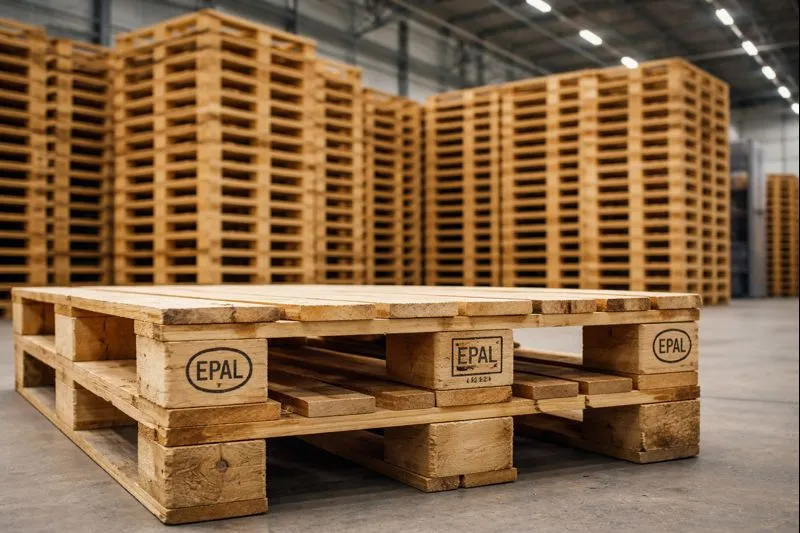
EPAL pallet repair rules exist for a clear reason. Many people believe that if a pallet looks repairable, anyone can fix it. This belief causes real problems in European supply chains.
EPAL pallets are not ordinary wooden pallets. They belong to a controlled exchange system. Repair and reuse are allowed, but only when strict rules are followed. When these rules are ignored, pallets lose exchangeability and trust.

For exporters, logistics teams, and warehouse managers, understanding these rules is essential. It helps prevent delays, rejections, and unnecessary replacement costs.
Why EPAL Pallet Repair Is Strictly Regulated
EPAL pallets move inside a closed exchange system. Warehouses and transport partners expect every EPAL pallet to meet the same standard. This applies everywhere.
A poorly repaired pallet breaks that expectation. It may look usable, but it can fail under load. It can also damage forklifts, racking, or automated systems.
European warehouses rely on speed and predictability. They cannot stop to inspect every pallet in detail. Repair rules ensure pallets behave the same way across all locations.
These rules protect safety. They also protect efficiency. Most importantly, they protect trust in the EPAL system.
Who Is Allowed to Repair EPAL Pallets
Not everyone can repair an EPAL pallet.
According to epal-pallets.org, EPAL requires licensed repairers. Specific repair markings are also required to restore exchangeability.
This rule defines the entire repair process.
Authorised EPAL repairers work under a formal licence. They receive guidelines on how repairs must be done. They use approved tools, materials, and components. They also follow inspection and audit requirements.
When repairs are done by unlicensed parties, the pallet loses its EPAL status. Even if the repair looks strong, the pallet no longer belongs in the EPAL system.
What Makes a Repaired EPAL Pallet Exchangeable Again
Repair alone does not restore exchangeability. The pallet must return to its approved condition.
This includes:
-
Correct dimensions
-
Approved wood components
-
Proper nail patterns
-
Full structural strength
The pallet must perform like a new one. It must carry the same load. It must fit standard handling equipment.
Visual consistency also matters. Warehouses depend on quick visual checks. If a pallet looks different, it raises doubts. Many warehouses reject such pallets immediately.
Exchangeability depends on both performance and appearance.
Why Exchangeability Matters in European Logistics
European pallet systems rely on pooling. Pallets circulate between users without tracking individual ownership.
Exchangeability makes this possible. If a pallet cannot be exchanged easily, the system slows down.
Delays increase. Manual handling increases. Costs rise. That is why EPAL enforces strict repair standards.
EPAL Pallet Marking Rules After Repair
Repair markings are mandatory.
After repair, an EPAL pallet must show the correct repair mark. This mark identifies the authorised repairer and confirms that approved procedures were followed.
Repair markings support traceability. They allow inspections and audits. They also protect the integrity of the EPAL network.
Missing or incorrect markings create problems. Many warehouses remove such pallets from circulation immediately.
A repaired pallet without proper marking is treated as non-EPAL.
Reuse vs Replacement – When EPAL Pallets Can Be Reused
Not all damage qualifies for repair.
Minor damage, such as broken boards or loose blocks, may be repaired. Severe structural damage cannot.
Pallets that fail repeatedly must be removed from circulation. EPAL prioritises safety over extending pallet life at any cost.
Reuse is encouraged, but only within defined limits. Trying to reuse damaged pallets often leads to higher costs later.
Replacement is sometimes the safer and more economical choice.
Export & Compliance Considerations for Repaired EPAL Pallets
Repair does not remove export obligations.
All wooden packaging used in international trade must meet ISPM-15 requirements. This includes heat treatment and proper marking.
Repaired EPAL pallets used for export must still comply. Missing or unclear markings can cause shipment holds.
In some cases, repaired pallets may require re-treatment. Exporters should not assume compliance remains valid after repair.
Verification is essential before shipping.
Common Mistakes That Void EPAL Pallet Status
Many EPAL pallets lose their status due to avoidable errors:
-
Repairs done by unlicensed parties
-
Use of non-approved components
-
Incorrect nail patterns
-
Missing repair markings
-
Cosmetic fixes that hide structural damage
These mistakes often happen to save time or cost. In reality, they create bigger problems later.
Once a pallet loses EPAL status, it cannot be exchanged. It must be removed from the EPAL system.
Why Improper Repairs Create Hidden Costs
Improper repairs rarely fail immediately. Problems appear later in warehouses and distribution centers.
Handling slows down. Manual checks increase. Equipment damage becomes more likely.
Rejected pallets also create operational friction. Teams must source replacements quickly. This increases downtime and cost.
Following EPAL pallet repair rules avoids these hidden risks.
Final Takeaway for Exporters and Logistics Teams
EPAL pallet repair is about restoring trust. It is not just about fixing wood.
Proper repair keeps pallets exchangeable. It protects safety and efficiency. It allows pallets to move freely across European supply chains without friction.
Ignoring repair rules leads to delays, rejections, and added costs. Following them keeps operations predictable and reliable.
The same principle applies when sourcing new EPAL pallets. Working with a licensed EPAL pallet manufacturer ensures pallets meet official standards. EPAL accreditation confirms the correct production and use of the recognised EPAL mark.
Understanding EPAL repair and reuse rules is essential for European logistics. Using EPAL-approved pallets helps reduce risk and supports smooth supply chain movement.