
EPAL Pallet Repair & Reuse: Rules You Need to Know
December 18, 2025
How EPAL Pallets Support Just-in-Time Logistics
January 24, 2026

10 Questions to Ask Before Buying EPAL Pallets
Buying EPAL pallets looks simple on paper.
You compare a few suppliers, check the size, look at the price, and place the order. Most buyers assume EPAL pallets are all the same.
They are not.
Small mistakes at the buying stage turn into big problems later. Goods get damaged. Export shipments get delayed. Warehouses face safety risks. And when something goes wrong, the supplier suddenly disappears.
Before you place your next order, ask these ten questions.
1. Is this pallet truly EPAL-certified or just EPAL-style?
This is the most important question.
A real EPAL pallet is part of a global system. It is managed by the European Pallet Association. Every detail is fixed, from the wood quality to the way the pallet is built. Nothing is left to guesswork.
An EPAL-style pallet only copies the size and look. It does not follow the system.
Many problems begin here. EPAL-style pallets usually cost less. But they are not as strong or reliable. Many warehouses and export chains do not accept them.
If the supplier avoids this question or says both are the same, you already have your answer.
2. Can you show the EPAL licence and manufacturer code?
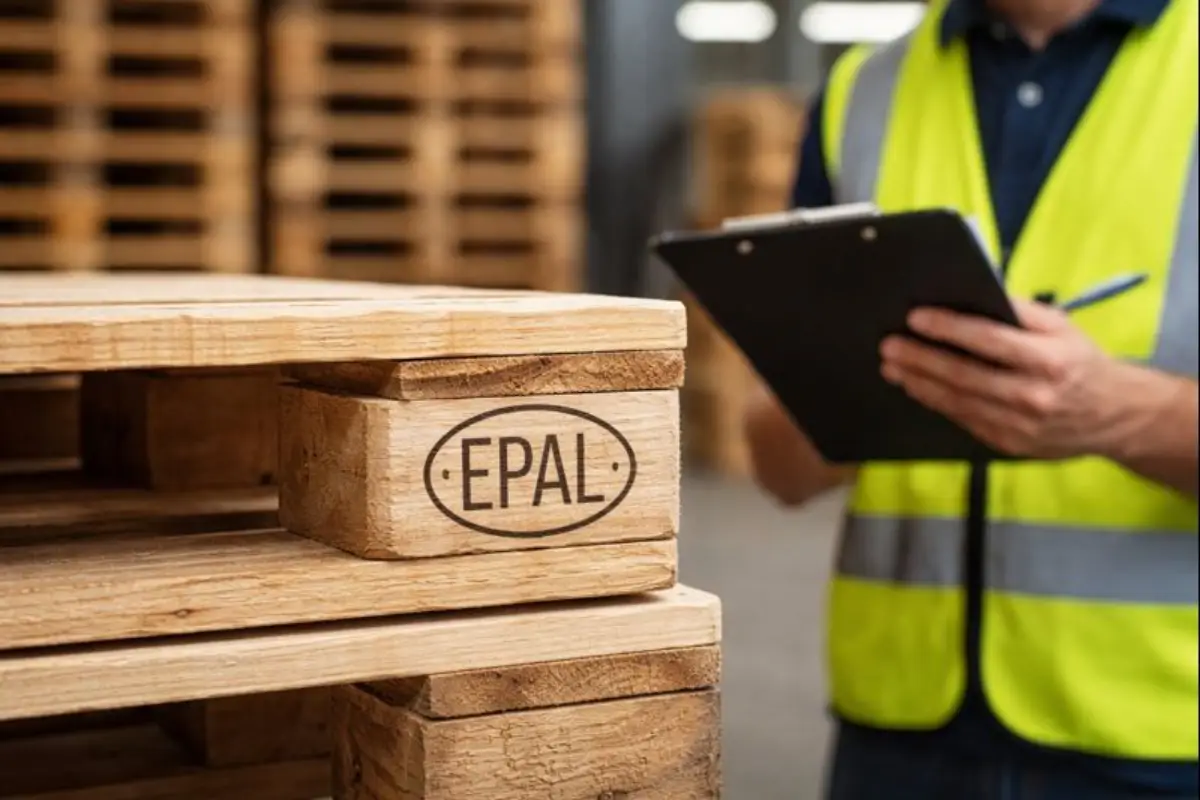
Every genuine EPAL pallet has a stamp on the wooden block.
This stamp shows the EPAL logo and a licence number. It tells you who made or repaired the pallet. This code proves the pallet belongs to the EPAL system.
Ask for a clear photo of the stamp before you confirm the order. If there is no stamp, there is no EPAL pallet.
3. Is the pallet heat-treated as per ISPM-15 rules?
If your goods are exported, this question is critical.
ISPM-15 is a global rule that requires wooden packaging to be heat-treated. The goal is simple. Stop insects from spreading across borders.
If your pallet does not meet this rule, customs can reject your shipment without warning. Even one non-compliant pallet can hold back an entire container.
Never assume this is done. Always confirm it.
4. Who takes responsibility if my shipment is rejected?
This is where many buyers get uncomfortable.
If customs rejects your pallets, who pays for the loss? Who handles replacement? Who absorbs the delay cost?
A professional supplier will answer this clearly. If the answer sounds vague or defensive, the risk is already yours.
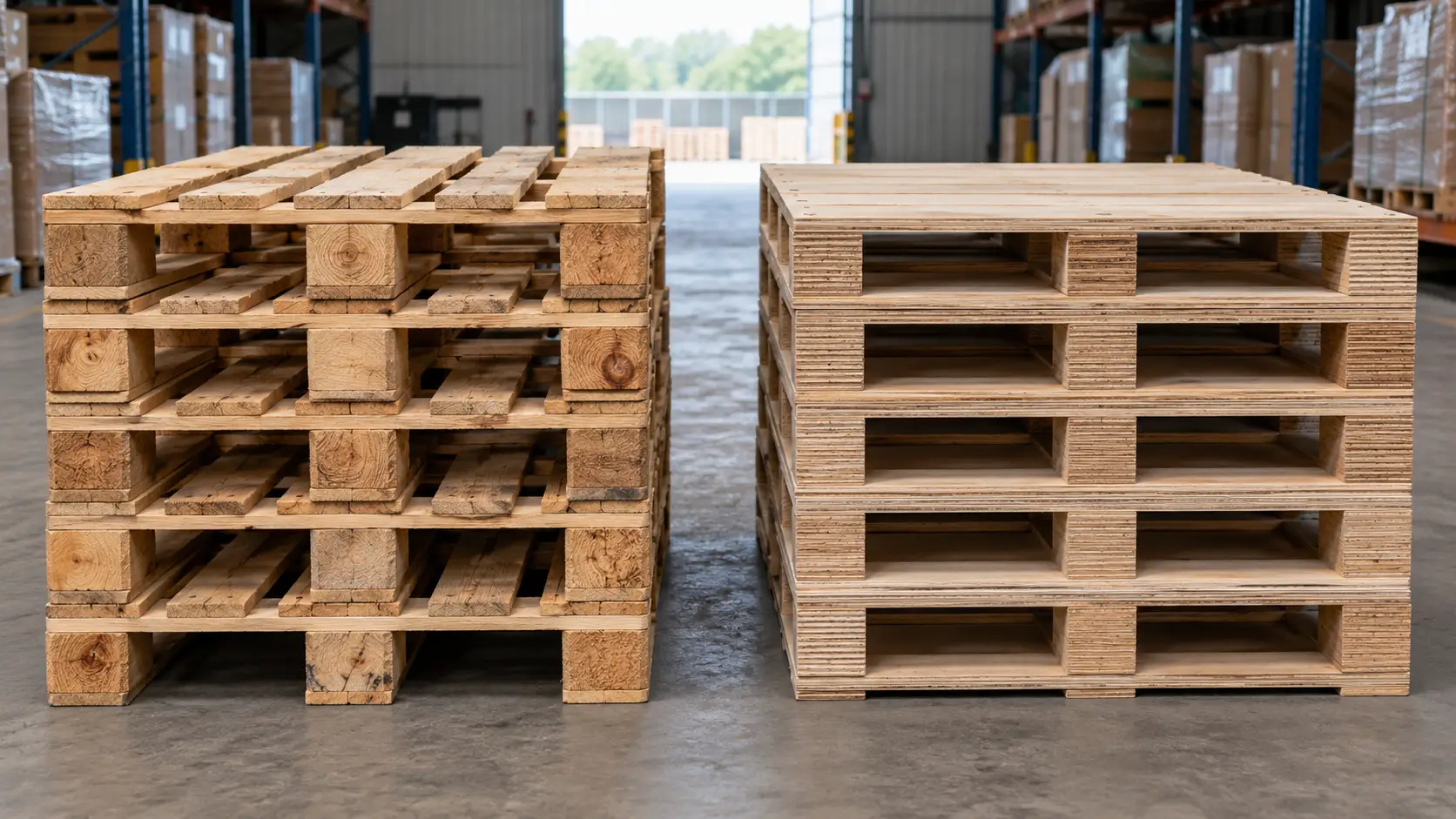
5. What type of wood is used in these pallets?
Not all wood performs the same.
Low-grade wood cracks easily. Wet wood shrinks after use. Both lead to loose boards, unstable loads, and safety hazards inside the warehouse.
Good EPAL pallets use quality timber that is properly dried and graded. This directly affects how long the pallet lasts under load.
Ask where the wood comes from and how it is processed.
6. Are EPAL-approved nails used in production?
This detail is often ignored. It should not be.
EPAL-approved nails follow strict size and strength rules. They are designed to hold the pallet together even after repeated use.
Standard industrial nails loosen over time. When that happens, pallets fail suddenly. This creates damage, downtime, and risk to workers.
Strong pallets start with the right nails.
7. Are repairs done under EPAL repair standards?
EPAL pallets are designed to be repaired. But not just anywhere.
Only licensed repairers are allowed to repair EPAL pallets. They must follow strict rules on which boards can be replaced and how repairs are marked.
Local, unapproved repairs break the EPAL standard. Once that happens, the pallet is no longer truly EPAL.
Ask how damaged pallets are handled and who repairs them.
8. What is the average working life of these pallets?
Most buyers ask only one thing. “What is the price?”
That is the wrong question.
A cheap pallet that breaks fast will cost you more than a better pallet that lasts longer. The real cost is not the purchase price. It is the cost per use.
Ask how long the pallet typically lasts in real warehouse conditions.
9. Can you handle bulk and repeat orders reliably?
The first order is easy.
The real test comes later. You suddenly need pallets fast. Production is running. Trucks are waiting.
Ask about stock levels, production capacity, and lead time. A supplier who cannot scale with you becomes a bottleneck in your operations.
10. What support do you provide after delivery?
This question reveals everything.
If pallets arrive damaged, how fast will the issue be resolved? If there is a compliance concern, who takes charge?
Good suppliers stay involved after delivery. Poor ones vanish once the invoice is paid.
Final Thought
If a supplier struggles to answer these ten questions, you are not buying EPAL pallets.
You are buying uncertainty.
EPAL pallets are meant to reduce risk, not create it. That is why working with a trusted EPAL pallets manufacturer matters. It gives you clarity on quality, compliance, and long-term performance.
If you ship goods overseas, choose suppliers who provide heat treated pallets. This helps you avoid export delays. This helps you avoid delays at the port. This one detail can save you from costly port delays.
If your business is in the region, work with a trusted EPAL pallets supplier in Maharashtra. It makes bulk orders and urgent needs easier to handle.
Ask the right questions before you commit. It is the simplest way to protect your goods, your timelines, and your reputation.