
10 Questions to Ask Before Buying EPAL Pallets
January 12, 2026
How EPAL Pallets Improve Forklift Safety
February 10, 2026
How EPAL Pallets Support Just-in-Time Logistics
Just-in-Time logistics sounds clean on paper.
Parts arrive only when needed. Inventory stays low. Production keeps moving. Space is saved. Cash is not stuck in stock.
In real life, JIT systems fail for boring reasons. A cracked pallet. A load that tips on a conveyor. A shipment stopped at the port. One weak link can slow an entire line.
Most teams focus on trucks, software, and schedules. They forget the platform carrying every product.
The pallet.
Just-in-Time systems depend on tight coordination and very low error margins. That is why it helps to understand Just-in-Time logistics principles first. Then choose the right type of pallet.

EPAL pallets help reduce uncertainty. They bring standard size, controlled quality, and predictable performance. That is exactly what JIT environments need.
What Just-in-Time Logistics Really Depends On
JIT only works when inputs behave the same way every time.
Operations teams rely on:
-
fixed dimensions
-
stable loads
-
fast forklift handling
-
clean stacking in racks
-
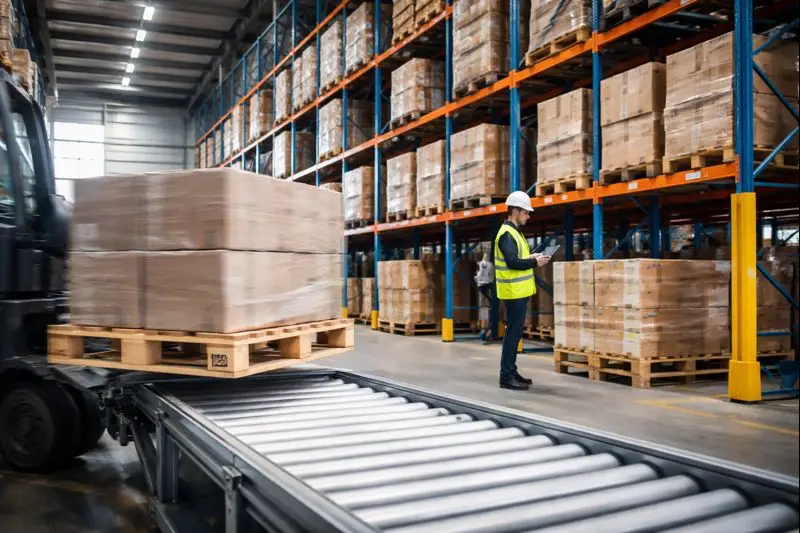
smooth movement on conveyors
-
no surprise repairs
-
no border delays
There is little buffer in the system. When something fails, production feels it fast.
That is why pallet choice becomes an operations decision, not just a procurement one.
Why Pallet Inconsistency Breaks JIT Systems
Mixed pallets cause chaos.
Different sizes jam automated lines. Weak boards collapse in storage. Missing export marks trigger inspections. Poor repairs force rework in the yard.
Each delay adds minutes. Those minutes stack up into hours. Then into missed dispatch windows. Then into production stoppages.
In a JIT model, those delays cost far more than the pallet itself.
Standard Sizes and Design Speed Up Material Flow
EPAL pallets follow strict dimensional rules. That makes them easier to plan around.
Forklifts handle them the same way every time. Racks accept them without change. Conveyors run smoother. Loads stay centred.
If you need the technical details, your guide on EPAL pallet dimensions explains them. It shows how these sizes are used across supply chains.
For JIT operations, standard size equals predictability. Predictability equals speed.
EPAL Quality Rules Reduce Handling Failures
EPAL pallets are not just about size.
They also follow strict rules on:
-
wood grading
-
board thickness
-
nail placement
-
load capacity
-
inspection systems
This reduces the chance of boards splitting or nails loosening during use. It also reduces the chance of pallet failure in racks or on automated systems.
Fewer failures mean fewer stoppages. That keeps production lines running.
ISPM-15 Compliance Keeps Export Lanes Moving
Many JIT systems stretch across borders.
Wood packaging in export shipments must meet ISPM-15 heat-treatment rules. If one pallet misses the mark, customs can hold the full container.
That kind of delay breaks JIT planning fast.
EPAL pallets are built to support these requirements when supplied correctly. This helps exporters keep shipments flowing instead of stuck at inspection yards.
Repair Systems and Pallet Pools Keep Supply Steady
JIT operations cannot afford sudden pallet shortages.
EPAL pallets are designed for repair under strict rules. Licensed repairers replace damaged boards in approved ways. The pallet stays inside the system.
Your earlier article on EPAL pallet repair rules explains this in more detail. It also shows why random workshop repairs are not allowed.
For JIT environments, this repair network matters. It keeps usable pallets circulating instead of forcing emergency purchases at premium prices.
Lower Total Cost Through Fewer Disruptions
JIT buyers should not look only at pallet price.
They should look at:
-
downtime from collapsed loads
-
labour for re-stacking
-
damaged goods
-
delayed trucks
-
penalty charges
-
missed delivery slots
A cheap pallet that fails early becomes expensive very fast.
EPAL pallets reduce these hidden costs by lowering disruption risk across the system.
Where EPAL Pallets Make the Biggest Difference
Some sectors feel the impact more than others.
EPAL pallets are widely used in:
-
automotive supply chains
-
pharmaceutical distribution
-
FMCG plants
-
electronics assembly
-
export-focused manufacturing
These industries run tight schedules. They depend on stable platforms. Small failures ripple across large networks.
What to Check Before Switching to EPAL Pallets
Before making the move, operations teams should confirm:
-
the supplier licence and stamp
-
ISPM-15 markings for export lanes
-
access to approved repairers
-
bulk availability
-
lead times
-
replacement policies
-
support during audits or inspections
JIT systems reward preparation. Surprises cost too much.
Conclusion
Just-in-Time logistics only works when small details behave perfectly.
Pallets look boring until they fail. Then they shut down lines, delay trucks, and create expensive firefighting across departments.
EPAL pallets reduce risk. They use standard sizes. They follow strict quality rules. They meet export needs. They can be repaired the right way.
If your operation runs on tight schedules, choose the right EPAL pallet supplier. It becomes part of your logistics plan, not just a purchase.
Ask better questions. Choose predictable systems. And protect the flow that keeps your business moving.