
How to Spot Fake EPAL Pallets
February 24, 2026
CP9 Pallets: The Best Choice for Bulk Containers
March 13, 2026
CP3 Pallets: Why the Chemical Industry Prefers Them
Moving chemicals is not like moving general cargo. Drums, bulk containers, and hazardous materials need stable handling and reliable transport systems. A pallet failure in a chemical warehouse can cause serious problems. It may lead to spills, damaged goods, and safety risks.
Because of this, chemical manufacturers use standardized pallet systems. These pallets support their logistics and handling needs.
Industry groups like the European Chemical Industry Council focus on safe chemical transport. They promote consistent practices across the supply chain.
Standardized pallets help warehouses, transport companies, and manufacturers move chemical products safely.
One pallet widely used in this environment is the CP3 pallet. It is designed for chemical logistics and drum transport. It is widely used to move chemical drums and bulk containers. Many warehouses and logistics operations rely on it.
This is where CP3 pallets play an important role in chemical logistics.
The Logistics Challenges of Chemical Packaging
Chemical products are often packed in heavy containers. These include steel drums, plastic drums, big bags, and intermediate bulk containers.
Each type creates handling challenges.
Drums are heavy and round. If they shift during transport, they can roll or tip. Big bags can sag if they are not supported properly. Bulk packaging also needs to remain stable during forklift movement and warehouse stacking.
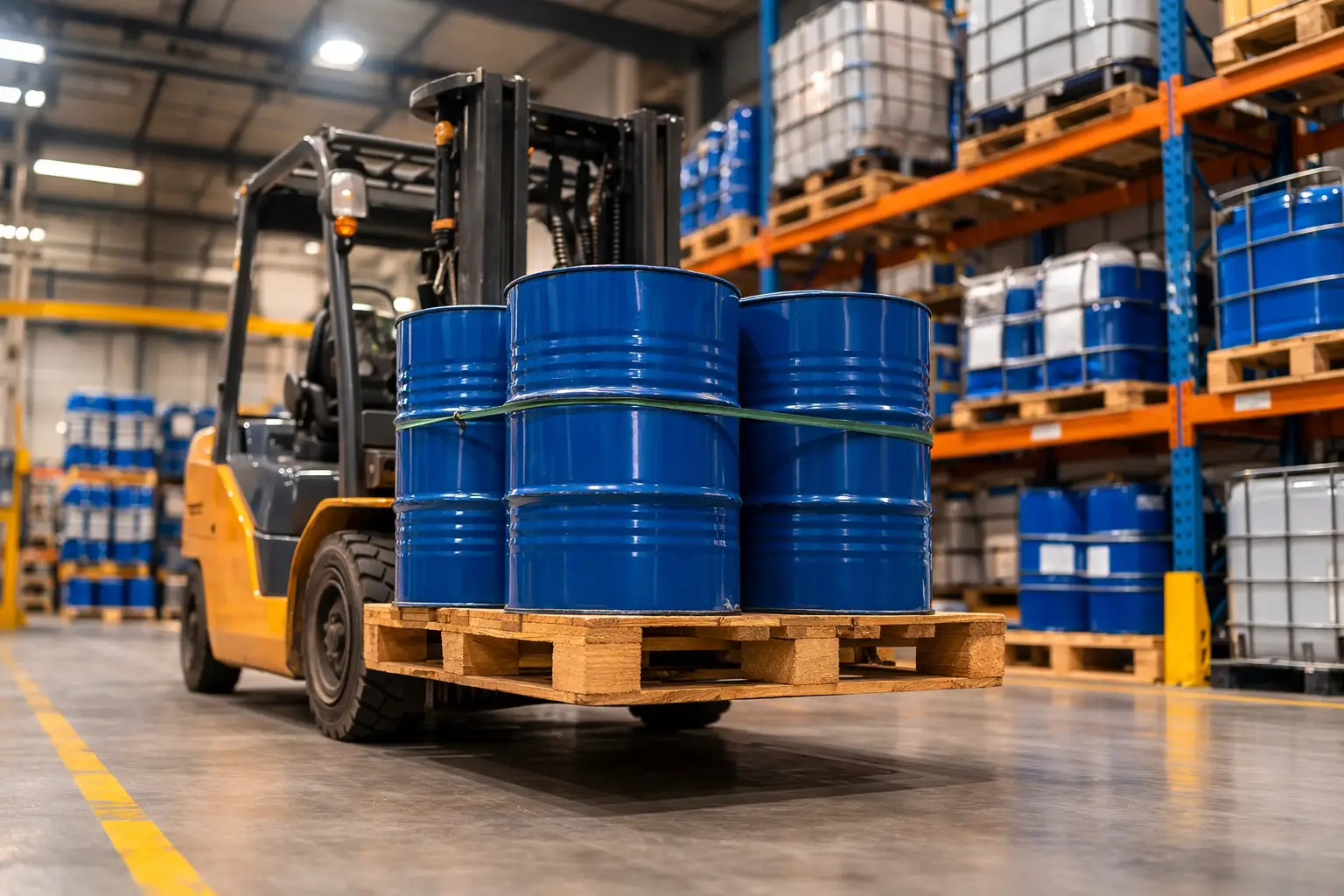
Warehouse operators see these risks every day. A forklift driver moving a pallet of chemical drums must rely on the pallet to keep the load balanced. If the pallet design is not suitable, the drums can shift during lifting or transport.
Chemical logistics also involves long transport routes. Shipments may move from manufacturing plants to warehouses, ports, and distributors. Stable pallets reduce handling risks during these many transfer points.
How CP Pallets Standardized Chemical Transport
The chemical industry created a standardized pallet system known as CP pallets. These pallets were designed specifically for chemical packaging and industrial logistics.
This system includes several pallet types. Each format supports different packaging styles used in chemical transport.
Standardized pallets help logistics operations run smoothly. Warehouses can plan storage layouts around consistent pallet sizes. Transport companies can stack and load pallets more efficiently.
This system also simplifies pallet handling. Forklift drivers know how the pallets behave during lifting. Warehouse teams can stack and move them with predictable stability.
CP pallets offer clear benefits. Because of this, chemical companies use them widely in manufacturing and distribution.
Why CP3 Pallets Work Well for Chemical Packaging
The CP pallet system has several types. The CP3 pallet is one of the most used for moving chemical drums and bulk packaging.
One reason is its square layout. This design helps distribute the weight of drums more evenly across the pallet. The load stays balanced when forklifts lift or move the pallet.
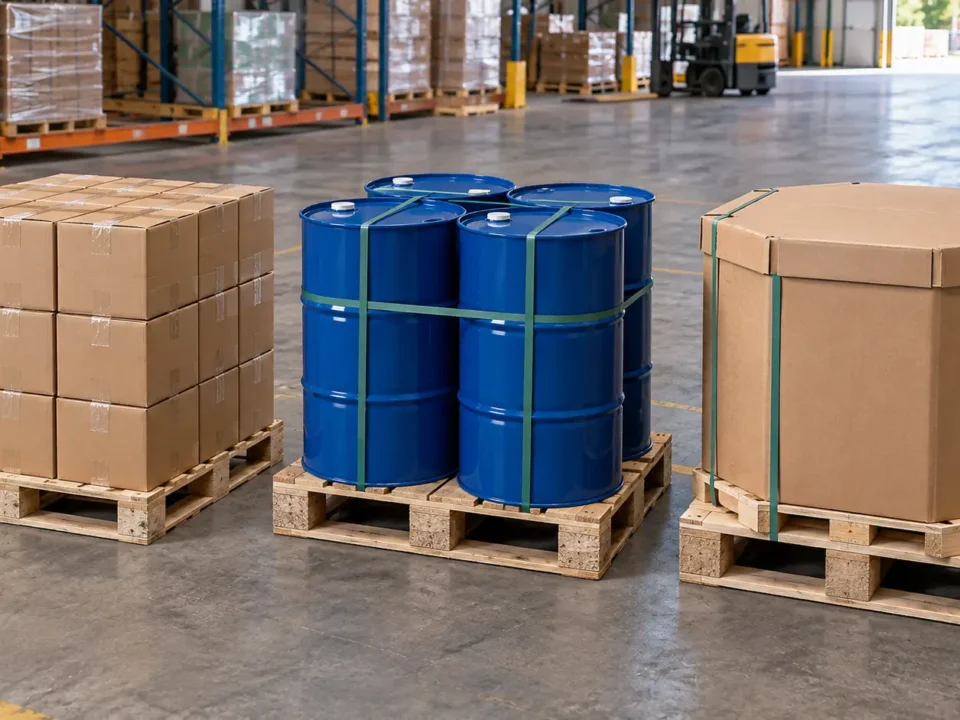
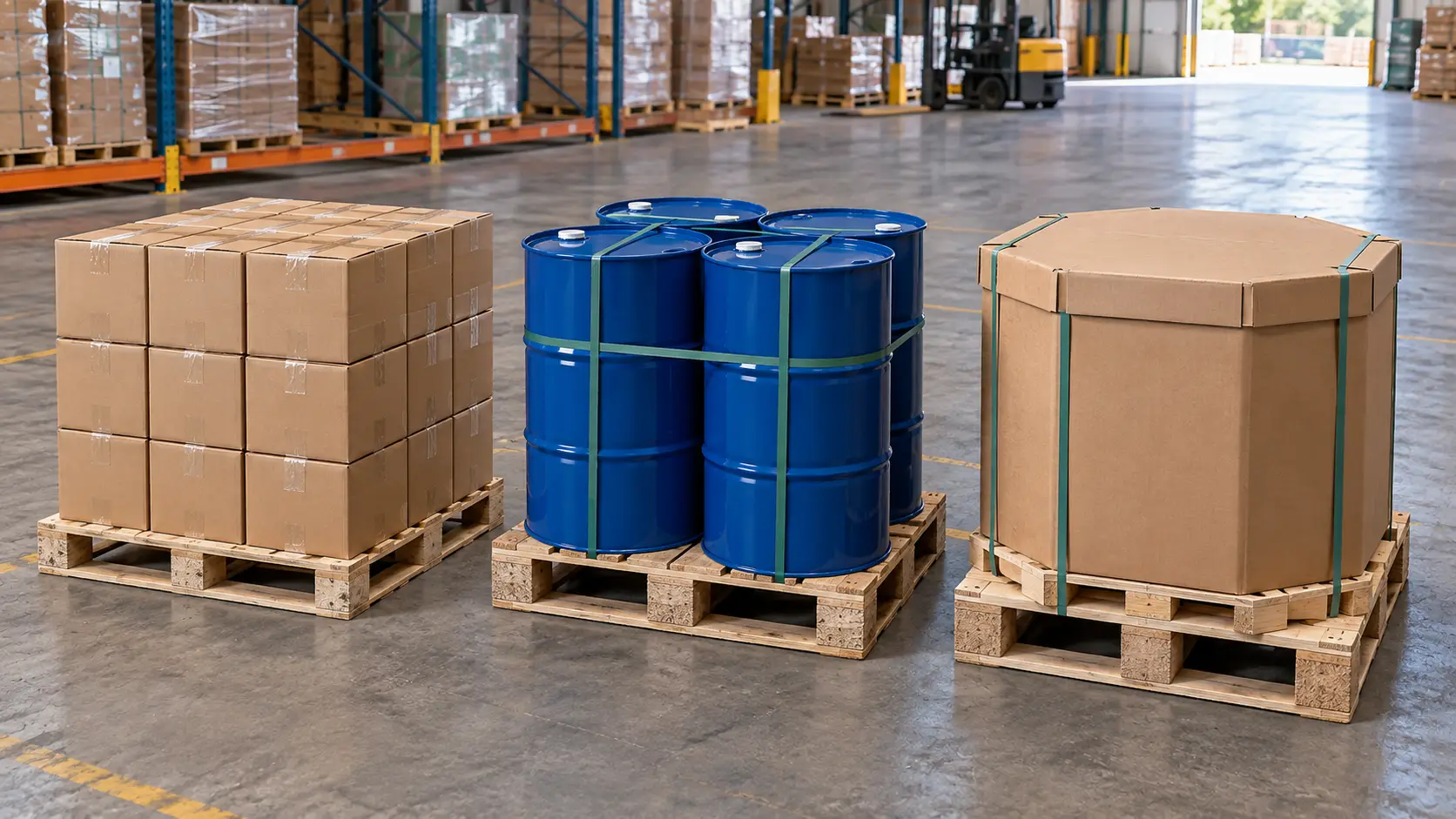
CP3 pallets also support different types of chemical packaging. Warehouses commonly place four drums on a single pallet. The pallet design allows these drums to sit securely without excessive movement.
Bulk packaging such as big bags or octabins can also be placed on CP3 pallets. This flexibility makes them useful in warehouses handling different chemical products.
This is one reason CP3 pallets are common in the chemical industry. They support drum transport and bulk packaging.
For more technical details, read our guide on CP3 pallet specifications and benefits. It explains the pallet size, structure, and design.
Safety and Stability in Chemical Transport
Safety is a major reason the chemical industry relies on CP3 pallets.
Chemical shipments often include hazardous or sensitive materials. If drums shift or fall during transport, the results can be costly and dangerous.
CP3 pallets help reduce this risk.
The pallet structure provides stable support for heavy loads. This keeps drums from shifting when forklifts speed up or stop.
Warehouse teams also enjoy improved stacking stability. Pallets must remain stable when stacked in storage racks or warehouse floors.
For example, a warehouse storing chemical drums may stack pallets two levels high. A stable pallet design reduces the risk of toppling or uneven weight distribution.
Reliable pallet systems also improve forklift handling. Drivers can move loads confidently because the pallet structure keeps the load balanced.
Why Chemical Companies Prefer CP3 Pallets
Industrial supply chains use many pallet formats. Many chemical companies choose CP pallets. They are designed for chemical logistics.
Different pallet types are used in logistics. Learning about them shows why CP3 pallets are common in this industry.
CP3 pallets offer a practical balance between stability and flexibility. They support common packaging types used in chemical warehouses. They work well with standard warehouse equipment. This includes forklifts and pallet racks.
Another advantage is industry familiarity. Warehouse staff and logistics providers are already used to handling CP pallets. This reduces confusion during transport and storage.
These factors make CP3 pallets reliable. Many chemical manufacturers and distributors use them.
When CP3 Pallets Are the Right Choice for Chemical Logistics
Not every shipment requires the same pallet type. But CP3 pallets used in the chemical industry work well in several common situations.
They are widely used when transporting chemical drums. The pallet layout keeps drums stable during forklift movement and transport.
Warehouses handling bulk chemical packaging also enjoy this pallet format. Big bags and octabins can sit securely on the pallet surface.
CP3 pallets are useful for moving chemicals between facilities. Companies use them to ship goods between warehouses, production plants, and distribution centers.
In these environments, reliable pallets help reduce product damage and improve operational efficiency.
A Practical Tip for Export Shipments
Many chemical companies ship products internationally. Export logistics adds another layer of requirements for pallets.
If your warehouse ships goods internationally, use certified pallets. They must meet international treatment standards. This can help reduce delays at ports and border checks.
Work with an experienced wooden pallet manufacturer and supplier. They can provide pallets that meet export requirements. It also supports safe and efficient warehouse operations.
Conclusion
Chemical logistics needs reliable pallet systems. Heavy drums and bulk containers must be handled with care. Hazardous materials also need stable support across the supply chain.
The CP pallet system was created for these needs. Within this system, the CP3 pallet is widely used by chemical manufacturers.
Its design supports drum transport. It also improves warehouse stability. Logistics teams can handle heavy loads more safely.
Companies move chemicals through warehouses, factories, and transport networks. For them, the right pallet is important. It helps improve both safety and efficiency.