
CP3 Pallets: Why the Chemical Industry Prefers Them
March 6, 2026
ISPM 15 Requirements for Top Export Countries
March 20, 2026
CP9 Pallets: The Best Choice for Bulk Containers
Moving bulk containers in chemical logistics requires more than strong packaging. Big bags, octabins, and industrial containers need strong support. They must stay stable during storage, forklift handling, and transport.
These loads are heavy. They can shift if the pallet does not support them properly. This can create safety risks and slow down warehouse operations.
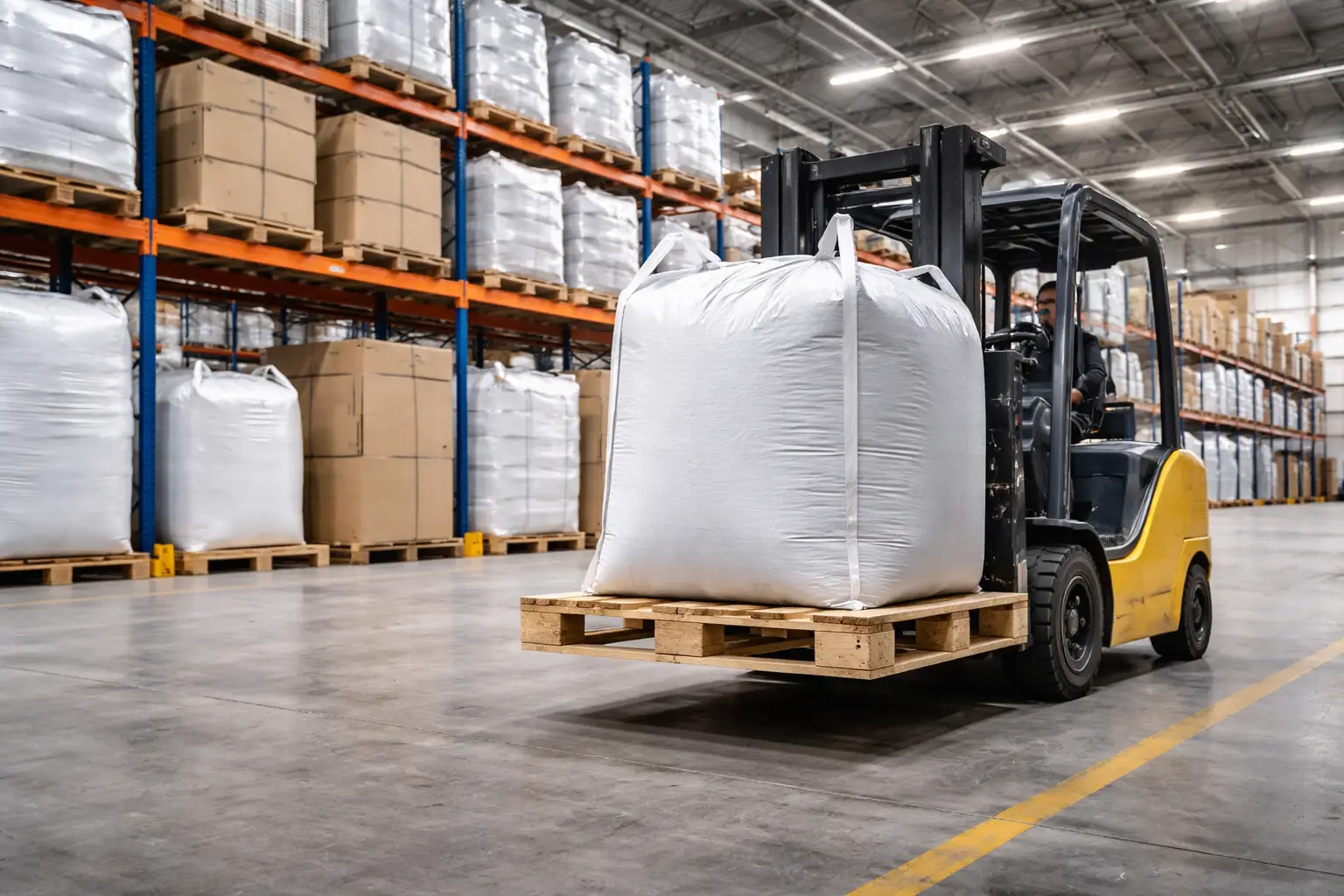
Chemical manufacturers often use standardized pallet systems for this reason. Industry groups like the European Chemical Industry Council focus on safe chemical transport. They promote consistent practices across the supply chain. Standardized pallets help warehouses move bulk products safely.
One pallet format widely used for this purpose is the CP9 pallet used for bulk containers. It is often used for bulk containers. Many chemical and industrial supply chains rely on it.
The Challenges of Transporting Bulk Containers
Bulk containers behave differently from drums. Big bags and octabins often carry heavy materials and need stable support.
When forklifts lift these loads, the weight must stay balanced. If the pallet does not provide full support, the container may tilt or shift.
Warehouse teams see these issues often. A forklift operator moving a pallet of bulk chemical powder must rely on the pallet to hold the load evenly.
Bulk containers also create storage challenges. Warehouses often stack pallets in storage zones or staging areas. If the load shifts, the stack can become unstable.
Reliable pallet support reduces these risks and keeps warehouse operations safer.
How the CP Pallet System Supports Chemical Logistics
The chemical industry developed a standardized pallet system known as CP pallets. These pallets are designed to support chemical packaging and industrial transport.
Each pallet format supports different types of loads. Some pallets work better for drums. Others are designed for bulk packaging.
Standardization helps warehouses work more efficiently. Workers know how each pallet behaves during lifting and storage.
Industrial supply chains also rely on many pallet designs. Different types of pallets are used in logistics. Learning about them helps explain how CP pallets support chemical transport.
CP pallets offer clear benefits. Because of this, chemical companies use them widely in manufacturing and distribution.
Why CP9 Pallets Are Ideal for Bulk Containers
The CP pallet system includes several formats. The CP9 pallet is widely used for bulk containers.
One reason is the pallet design. It provides a stable platform that supports the base of large containers.
Bulk packaging such as big bags often spreads weight unevenly. The pallet helps distribute this weight more evenly across the load.
This improves stability during forklift handling.
Warehouse teams also enjoy predictable load behavior. When a forklift lifts a pallet of bulk material, the load remains balanced on the pallet surface.
CP9 pallets support bulk chemical containers well. Because of this, the chemical industry uses them widely for transport.
Handling Big Bags and Octabins in Warehouses
Many chemical warehouses handle bulk packaging every day. Big bags and octabins are common in chemical production and storage.
These containers can weigh hundreds of kilograms. When they move through the warehouse, the pallet must keep the load stable.
Forklift operators rely on pallet strength and structure. If the pallet shifts or bends under weight, the container can become unstable.
For example, a warehouse may move pallets from a production line to a storage zone. Each movement requires smooth and stable handling.
The CP9 pallet helps support these operations. Its structure helps keep the load balanced during lifting and movement.
This improves safety and reduces the risk of product damage.
CP9 vs Other CP Pallets for Bulk Packaging
Different pallet formats support different packaging types.
Some pallets are used for transporting drums. Others work better for bulk containers.
For example, CP3 pallets are commonly used for drum transport. They help handle palletized chemical drums safely.
But bulk containers often need more support across the pallet surface.
The CP9 pallet provides this support. This makes it a practical choice for big bags and other bulk packaging formats.
Warehouse teams choose pallet types carefully. They often select pallets based on the packaging they handle most.
When CP9 Pallets Are the Right Choice
Not every shipment uses the same pallet type. But CP9 pallets work well in several common situations.
They are often used when transporting big bags filled with powders or granules.
They also support octabins and other large industrial containers. These containers need stable support across the pallet base.
Warehouses handling bulk chemicals enjoy these pallets. Stable loads make forklift handling easier and reduce movement risks.
CP9 pallets are useful for moving products between facilities. They help transport goods between plants, warehouses, and distribution centers.
In these environments, reliable pallets support safe and efficient operations.
A Practical Tip for Bulk Shipping Operations
Warehouses handling bulk containers should pay attention to pallet selection.
Large containers create uneven weight distribution. Choosing pallets designed for bulk packaging helps improve stability during handling.
If your operations handle big bags or octabins, choose pallets carefully. The same applies to bulk chemical containers. Work with an experienced wooden pallet manufacturer and supplier. They can provide pallets that support safe handling and transport.
Conclusion
Bulk containers create unique challenges in chemical logistics. Heavy loads must remain stable during lifting, storage, and transport.
The CP pallet system was created to support these needs. Within this system, the CP9 pallet is widely used for bulk container transport.
Its design supports heavy packaging and improves warehouse handling. It also helps logistics teams move bulk materials more safely.
Companies handle big bags, octabins, and other industrial containers. For them, the right pallet system is important. It helps improve safety and warehouse efficiency.