
ISPM 15 Pallet Requirements UAE
September 1, 2026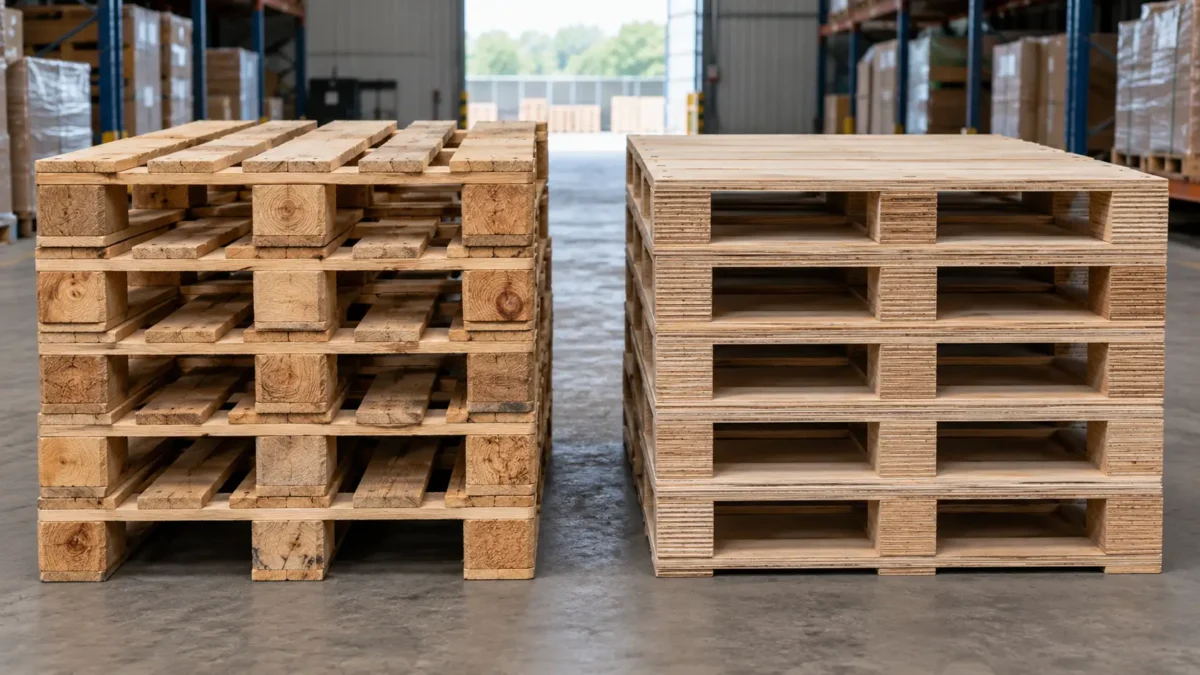
Wooden Pallets vs. Plywood Pallets: Which to Use?
Not every pallet decision comes down to hardwood or softwood. Sometimes the real choice is solid wood versus plywood.
These two materials behave differently. They cost differently. And they carry very different compliance requirements for export.
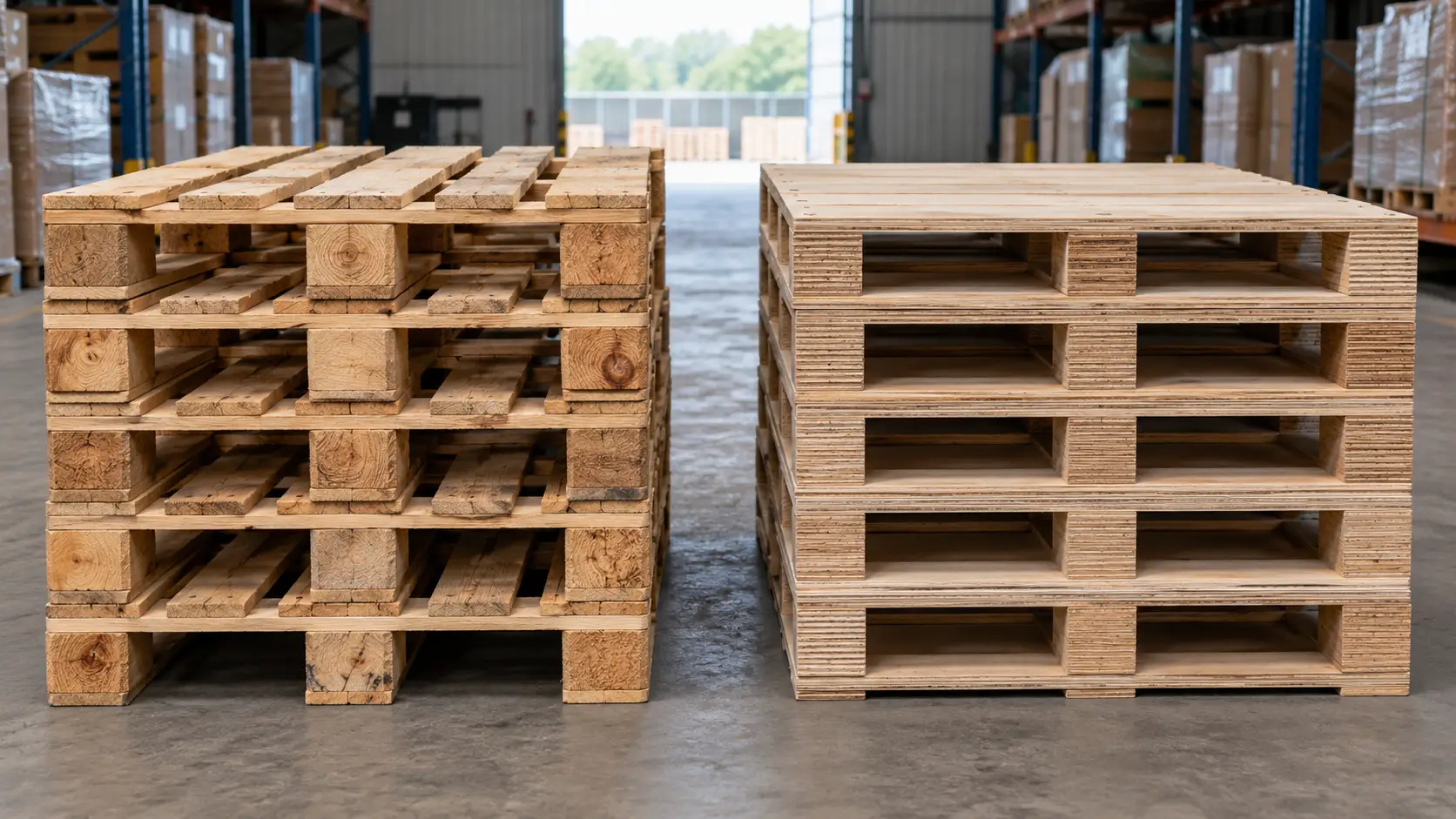 The official ISPM 15 standard document draws a clear line here. It excludes wood processed in a way that makes it pest-free, and names plywood directly as an example. That single distinction changes a lot about how you should choose.
What Makes Plywood Different
Plywood is engineered wood. Thin layers of wood veneer get glued and pressed together under heat. This process is what changes plywood’s regulatory status entirely.
Solid wood pallets come from raw lumber. The wood keeps its natural grain structure, along with the risk of carrying pests inside it. Plywood is made using heat and pressure. This process kills pests before the pallet is made.
The ISPM 15 Advantage
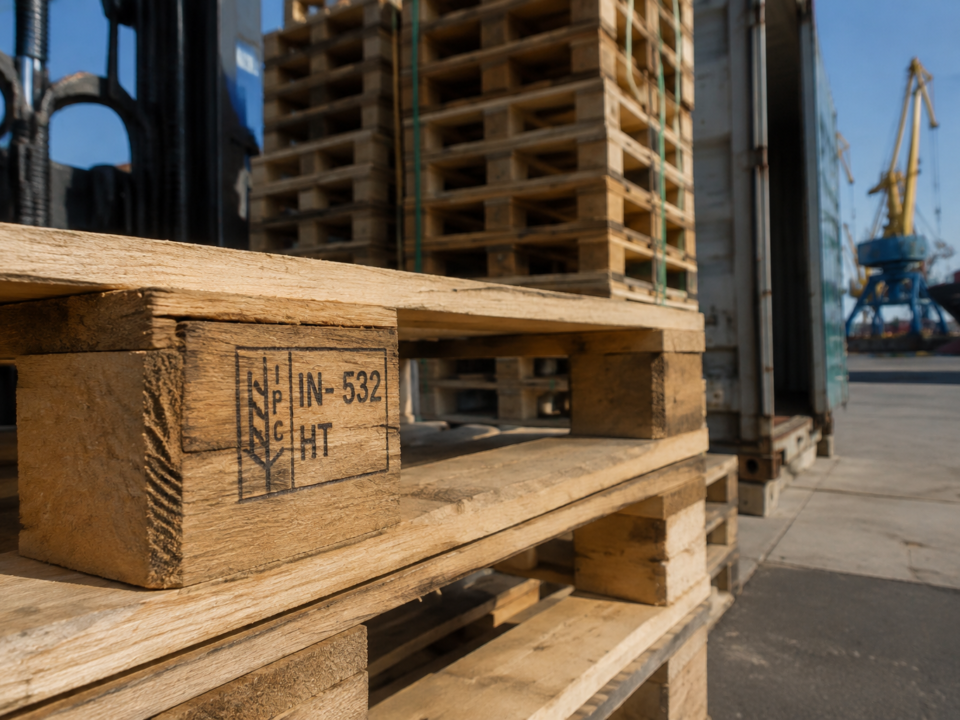
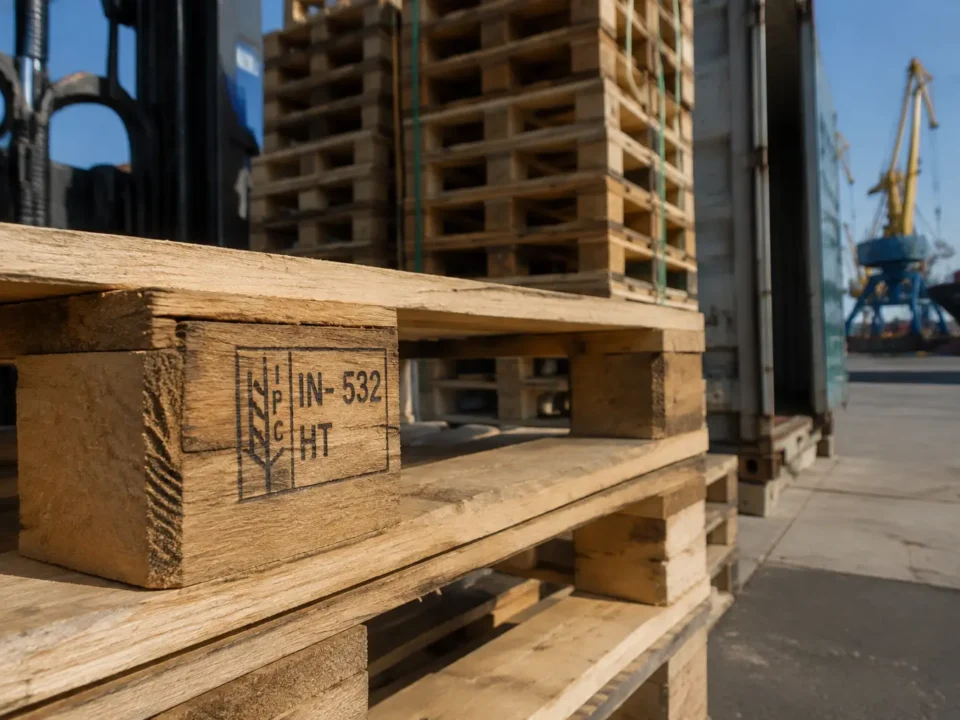
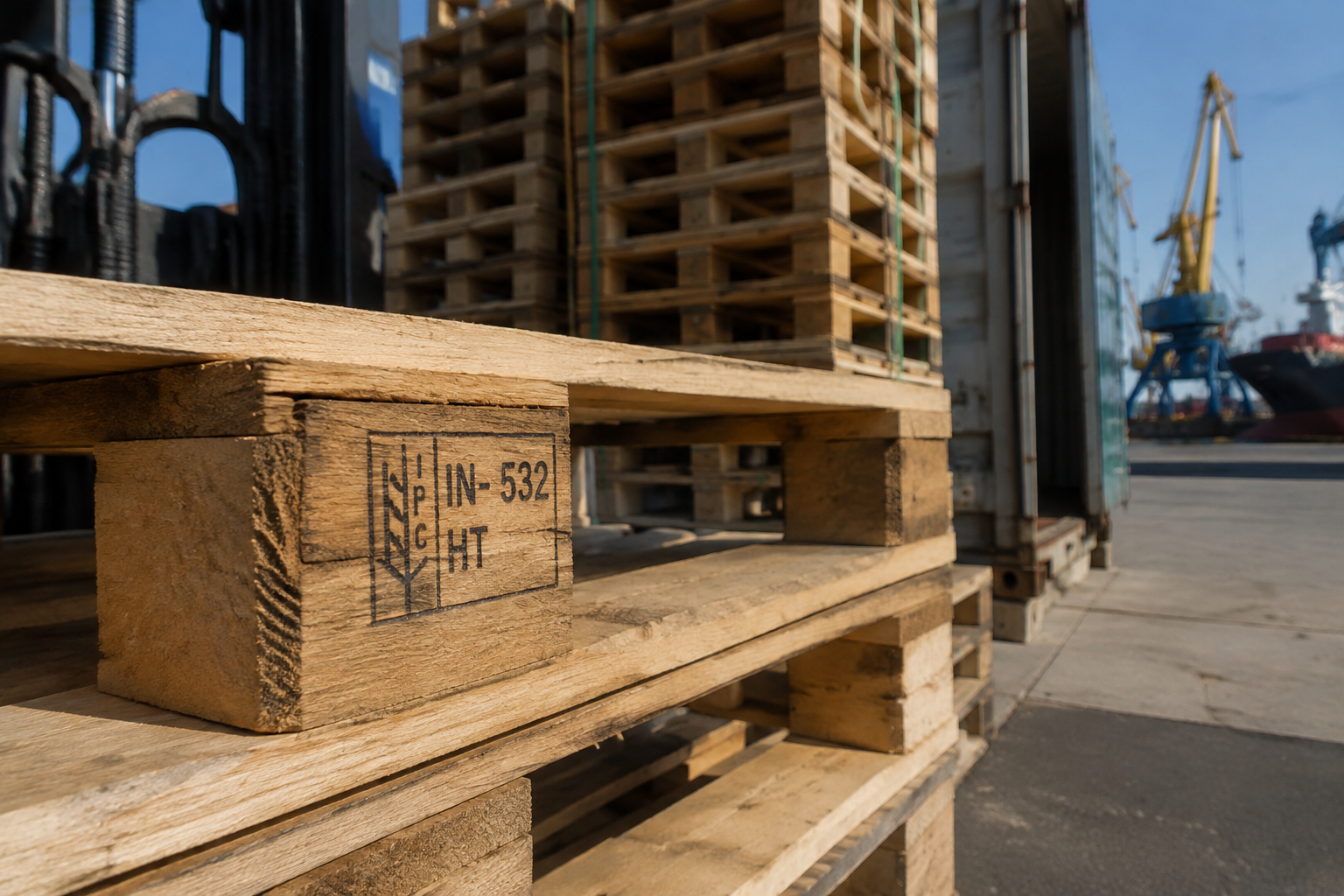
This is where plywood pulls ahead for a lot of exporters. Solid wood pallets need heat treatment or fumigation. They also need an IPPC stamp before crossing most borders.
Plywood pallets built entirely from processed wood skip this requirement. No treatment step, no stamp, no risk of a shipment getting held for a missing or invalid mark.
We explain why solid wood pallets need heat treatment before export. This shows the steps they must go through. Plywood simply doesn’t need any of it, as long as the entire pallet is built from exempt material.
Strength and Load Capacity
Solid wood generally wins on raw strength, especially for heavy or dense cargo. The natural fiber structure handles concentrated loads well, particularly with hardwood.
Plywood performs differently. It spreads the load evenly across its layers. This works well for flat, evenly distributed weight. But plywood may not handle heavy point loads as well. Repeated forklift impact in the same spot can also cause damage.
For most standard commercial loads, both materials hold up fine. The main difference shows up in extreme conditions. This includes very heavy loads or rough handling.
Moisture Resistance
Plywood generally handles moisture better than solid wood. The glue layers and manufacturing process help prevent warping. This is useful in humid conditions or after short-term water exposure.
Solid wood can absorb moisture and expand. This is more likely if it was not properly kiln-dried. Over time, this can weaken the pallet or cause warping severe enough to affect stacking.
If your shipment travels by sea through humid conditions, this difference matters more. It may matter less on a short domestic trip.
Cost Comparison
Solid wood, especially softwood, usually costs less per pallet than plywood. Raw lumber is simpler to source and process into a basic pallet structure.
Plywood costs more to make. It needs more processing, glue, and pressing equipment. The higher cost may be offset by skipping ISPM 15 treatment. This depends on your shipping volume and routes.
Repair and Reuse
Solid wood pallets are easier to repair. A cracked board or loose block can often get swapped out and the pallet returned to service. We explain how wood type affects pallet strength and cost. This includes how different wood types perform after repeated repairs.
Plywood pallets are harder to repair in the same way. Damage to a plywood panel may require replacing a larger section. In some cases, the whole pallet may need to be replaced.
Which One Should You Choose
For one-way export shipments, plywood can be a simpler choice. This is especially true when avoiding ISPM 15 treatment is important. However, the entire pallet must use exempt material.
For reusable pallets, heavy loads, or easy repairs, solid wood is often the better choice. This is especially true when the pallets are properly heat-treated.
Domestic shipments that never cross a border don’t face this tradeoff at all. In this case, cost and load capacity matter more than compliance.
Conclusion
Wooden pallets and plywood pallets solve different problems. Solid wood offers strength, repairability, and lower upfront cost. Plywood can avoid ISPM 15 treatment. It also offers better moisture resistance.
The right choice depends on your cargo weight and shipping route. You should also consider the time and cost of ISPM 15 compliance.
Need help deciding which pallet type fits your next shipment? Get properly built wooden pallets matched to your load and export requirements.