
Wooden Pallets vs. Plywood Pallets: Which to Use?
September 7, 2026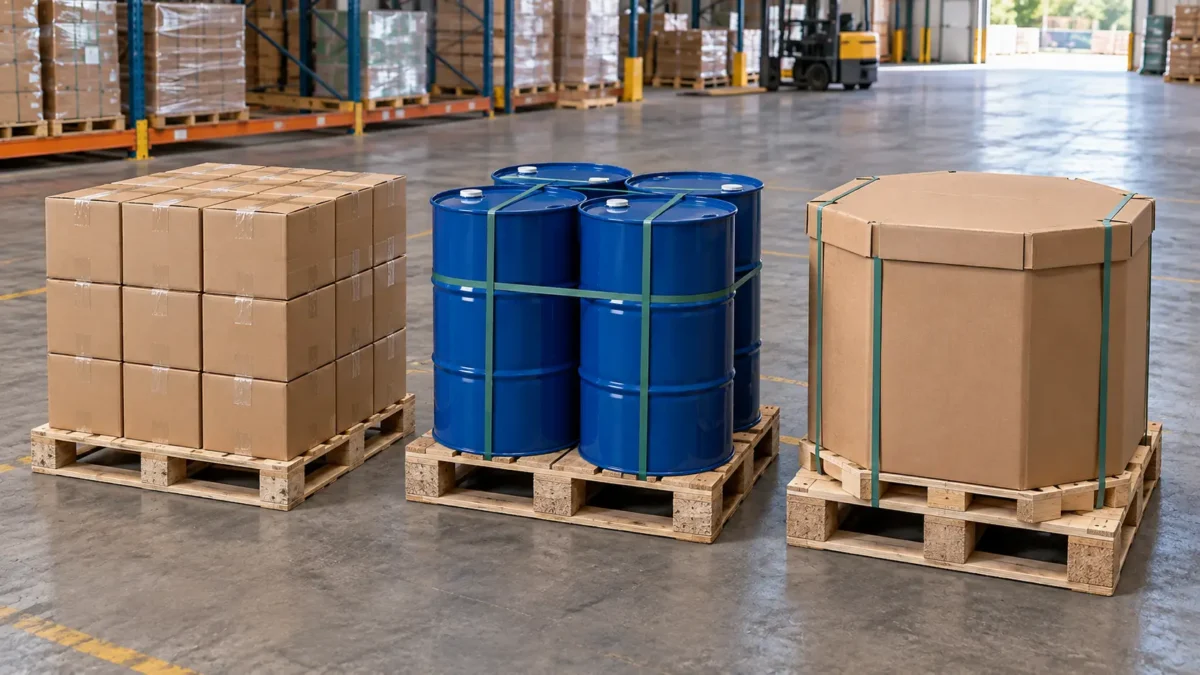
Differences Between CP1, CP3, and CP9 Pallets
Chemical and pharma logistics don’t use standard pallets. They use CP pallets, a family of nine standardized designs built for specific cargo types.
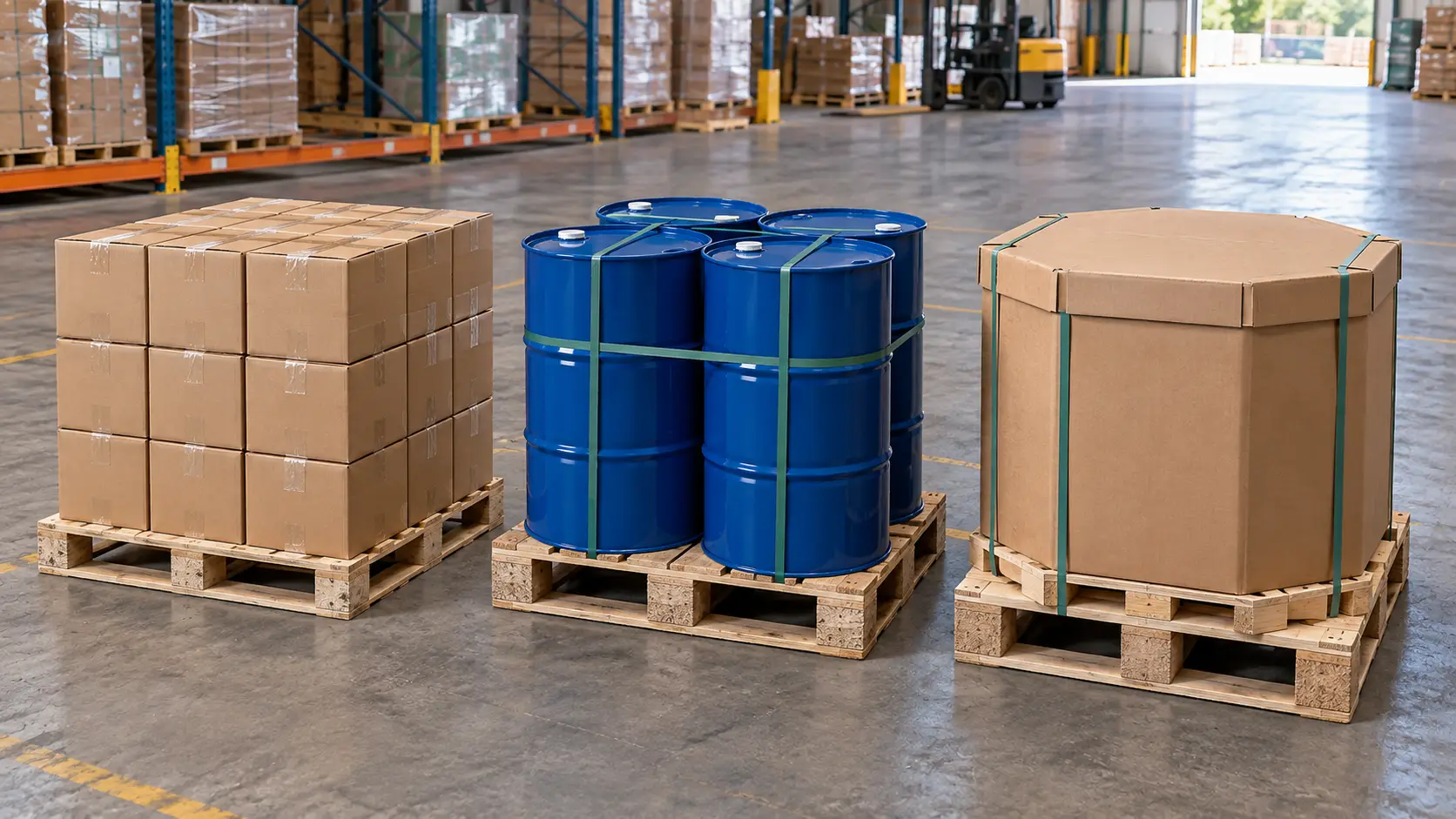 CP1, CP3, and CP9 come up most often. They look similar at first glance, but each one solves a different handling problem.
EPAL confirms that CP pallets have been used in chemical logistics since 1991. Understanding what separates them helps you pick the right one the first time.
CP1: Built for Boxes and Bags
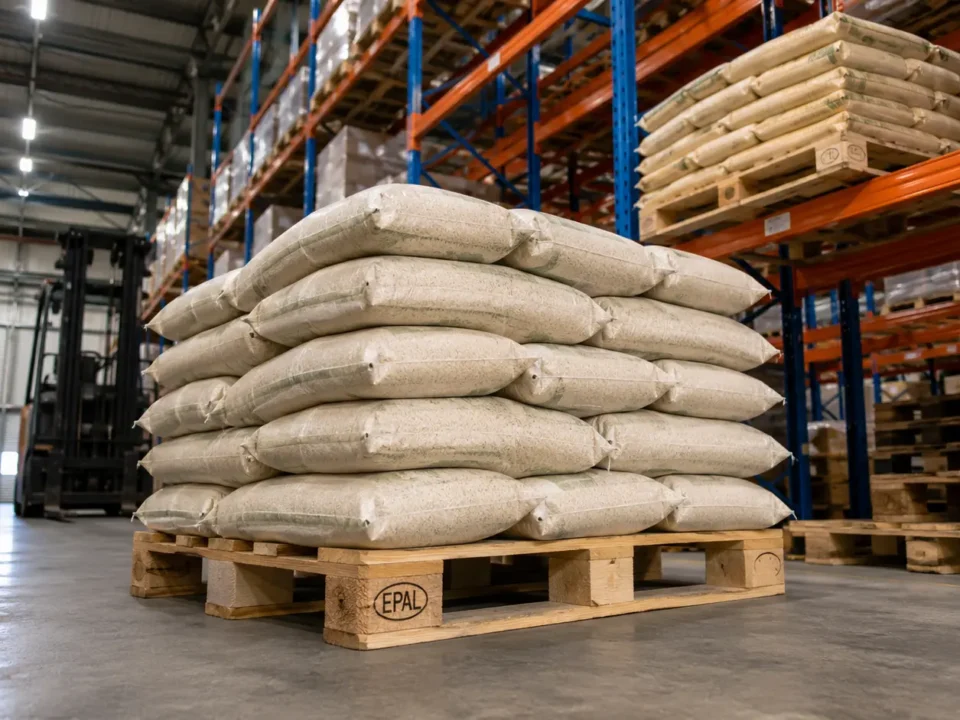
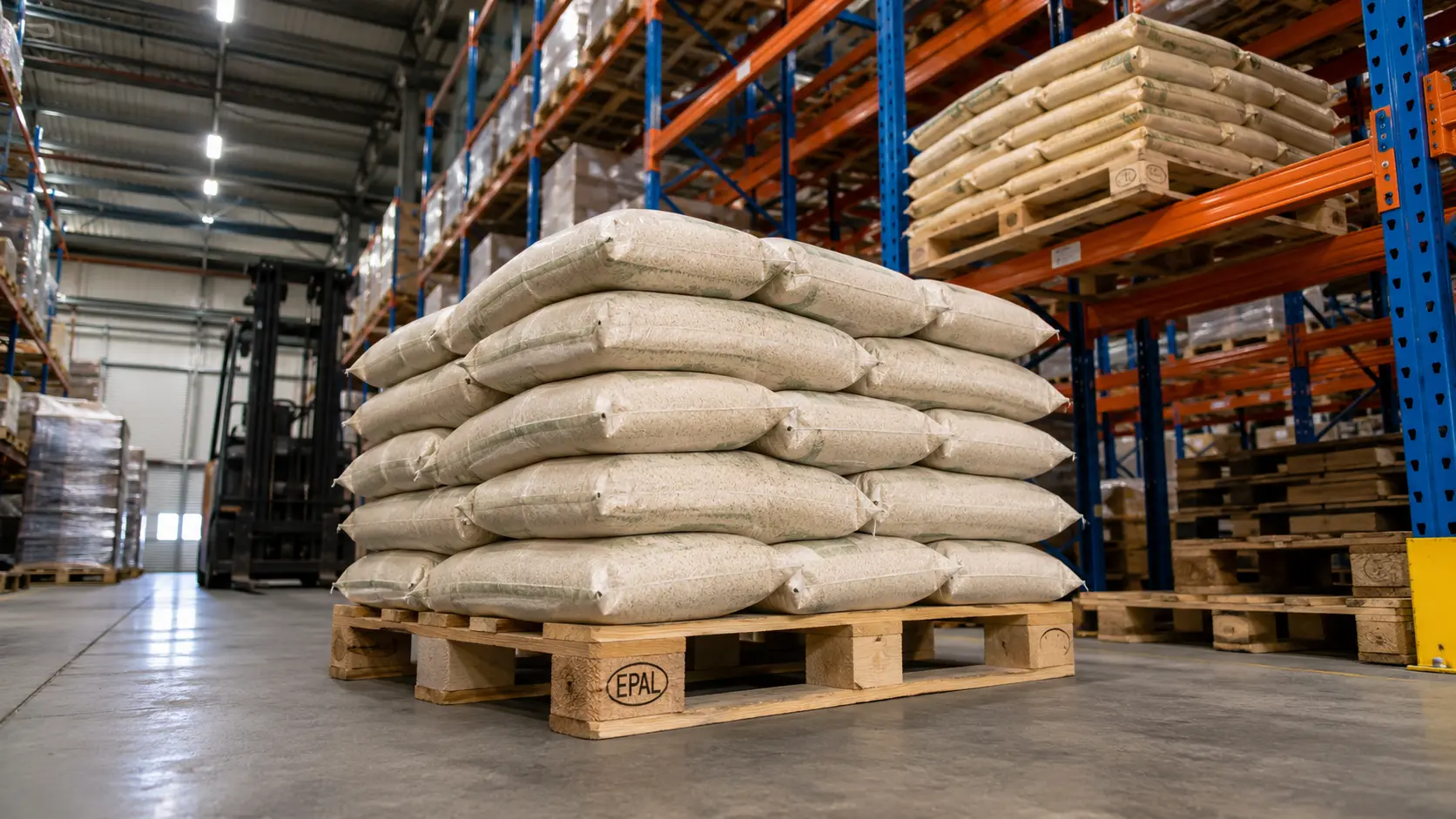
CP1 pallets measure 1200 by 1000 millimeters. This rectangular pallet has an open lower deck with three skids. It is designed for big bags, boxes, and bulk goods.
The flat, solid top deck gives even support across the whole surface. CP1 is a good choice for palletized loads. It works well for big bags, boxes, and other goods.
Our full CP1 pallet guide covers the board count, nail pattern, and load ratings in more detail. Typical load capacity runs up to 1,500 kg, depending on construction quality.
CP3: Built for Drums
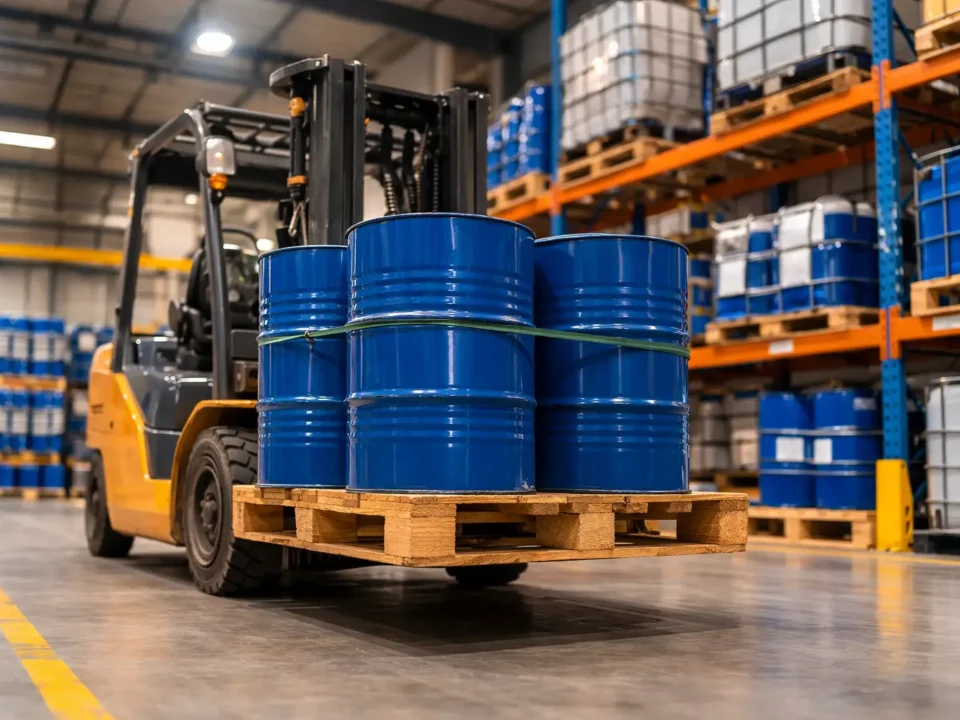
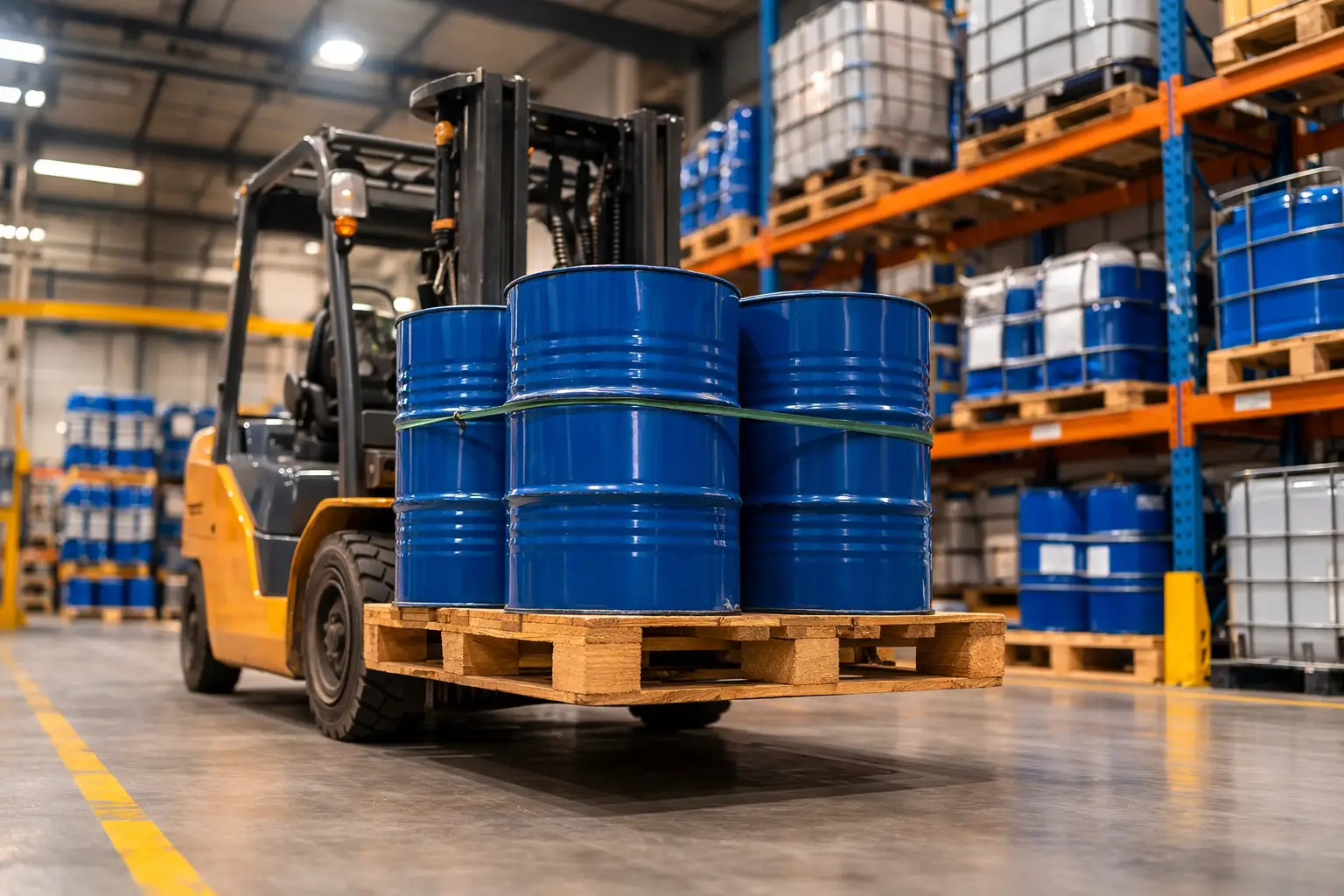
CP3 pallets switch to a square footprint, 1140 by 1140 millimeters. This shape isn’t arbitrary. It’s sized specifically to support cylindrical loads like drums and intermediate bulk containers.
The CP3 pallet has a more solid deck than CP1. This gives round-bottomed containers better support. A standard CP3 pallet typically holds up to four 200-liter drums, arranged in a 2×2 layout.
CP3 is a good choice for drums, barrels, and other round containers. Its deck provides stable support.
CP9: Same Footprint, Different Job
Here’s where confusion usually starts. CP9 pallets share the exact same 1140 by 1140 millimeter footprint as CP3. But their deck designs are different. This affects what each pallet is best for.
CP9 uses a cross deck design with less boarding than CP3. CP9 has less deck coverage. It usually holds two drums instead of four. It is better for large containers like octabins, which need less support.
Our CP9 pallet guide covers the exact board and block count. It also explains why the cross-deck design works well for large containers.
Why the Deck Design Matters More Than the Size
CP3 and CP9 may seem interchangeable because they have the same size. But they are designed for different uses. They’re not.
CP3 has a fully boarded deck. It spreads the weight evenly across several contact points. This is useful when several drums sit side by side. CP9 has a cross-deck design. It works better for one large container that does not need even weight support.
Using the wrong pallet can cause unstable stacking. It can also create uneven pressure or waste deck space.
Quick Comparison
Here’s the difference in simple terms:
-
CP1: Rectangular, solid flat deck, best for boxes and bags.
-
CP3: Square, fully boarded deck, best for multiple drums.
-
CP9: Square, cross deck, best for large single containers like octabins.
If your cargo does not fit these categories, check the other six CP variants too. Each one targets a specific load type within the same standardized family.
ISPM 15 and Export Compliance
All CP pallets for international shipments need ISPM 15 heat treatment. They also need an official IPPC stamp. This applies to CP1, CP3, CP9, and every other type in the family.
Choose a manufacturer with a valid heat treatment license. This helps avoid port compliance issues, whatever CP pallet you choose.
Choosing the Right CP Pallet for Your Operation
Start with your cargo type, not the pallet size. Boxes and bags point to CP1. Multiple drums point to CP3. Large single containers point to CP9.
If your warehouse handles different types of cargo, stock more than one CP variant. Do not force every load onto one pallet design.
Conclusion
CP1, CP3, and CP9 aren’t interchangeable, even where their dimensions overlap. Each pallet is designed for a specific type of cargo. Choosing the right one keeps your load stable and makes handling easier.
Need CP1, CP3, or CP9 pallets built to exact specification for your operation? Get properly built CP wooden pallets matched to your cargo and export requirements.