
How EPAL Pallets Improve Forklift Safety
February 10, 2026
How to Spot Fake EPAL Pallets
February 24, 2026
EPAL Pallets for the Food & Pharma Industry
Food and pharmaceutical supply chains cannot afford risk. A small mistake in hygiene, handling, or compliance can cause serious problems. Products may get rejected. You could face recalls. You might even receive penalties from authorities.
That’s why pallet selection is not a minor decision. It directly affects safety, traceability, and export readiness.
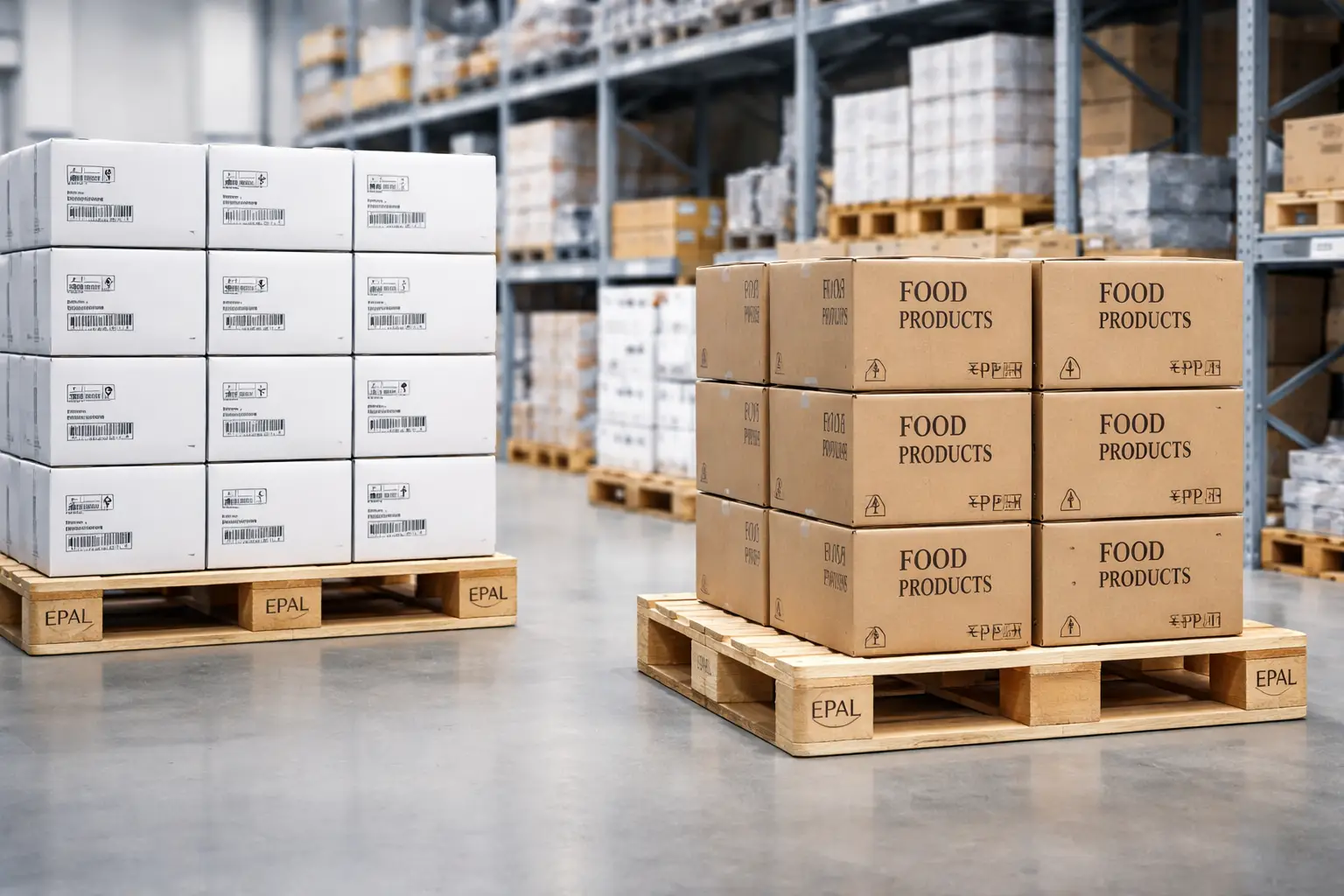
Many companies now choose EPAL pallets for food and pharma industry use. They trust them for safety and consistency across global supply chains.
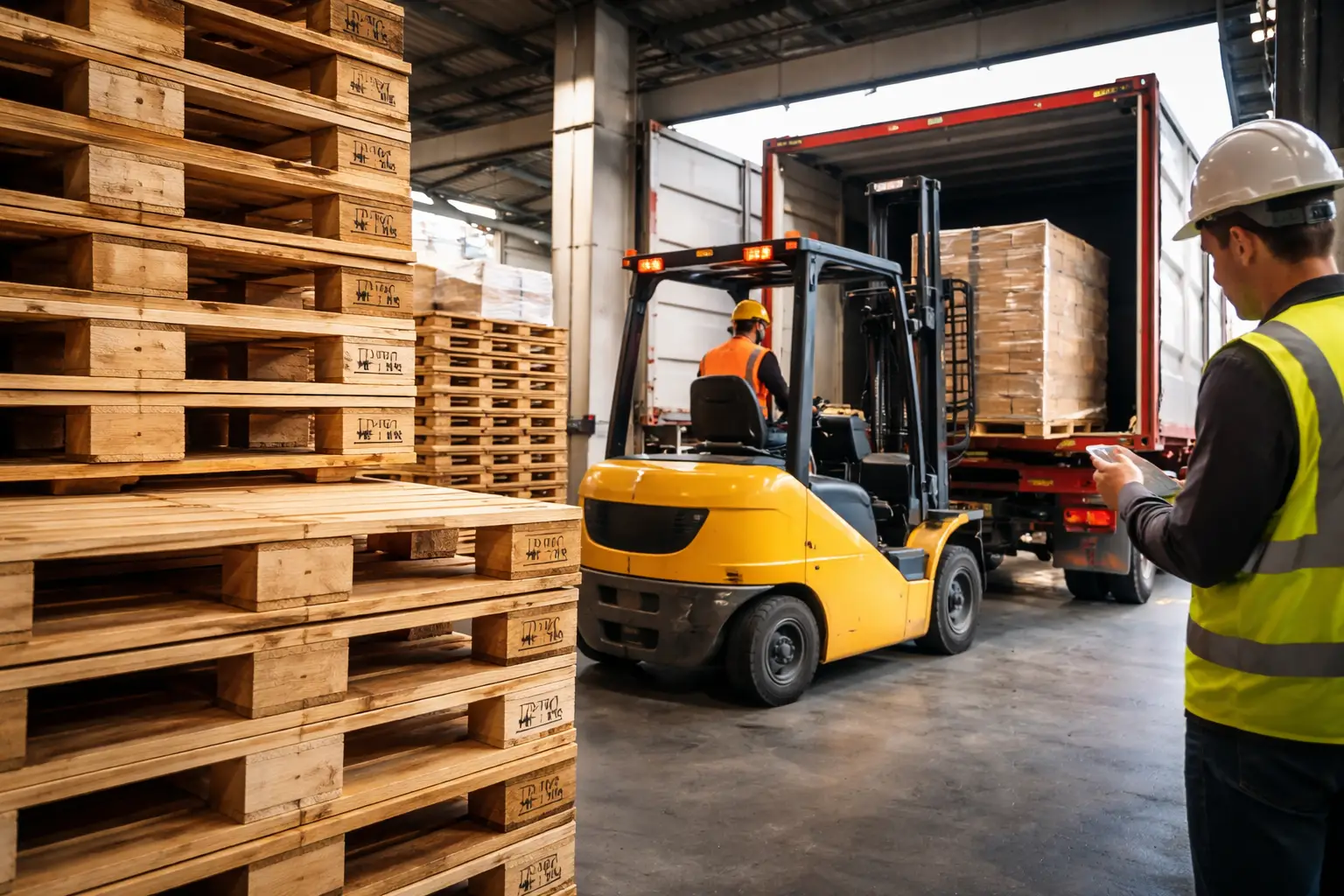
EPAL pallets follow strict global standards. Every pallet must meet defined quality, marking, and repair rules. This standardization makes them reliable for food and pharmaceutical use.
Why the Food & Pharma Industry Needs EPAL Pallets
Both industries operate under strict rules.
Food businesses must prevent contamination. Pharma companies must follow GMP compliance. Warehouses must ensure traceability. Exporters must meet international regulations.
EPAL pallets follow strict global rules. These rules are defined in the EPAL official pallet standards and specifications.
In such an environment, random pallet sizes or inconsistent quality create risk.
Standardized pallet systems offer:
-
Uniform dimensions
-
Predictable load bearing capacity
-
Better stacking stability
-
Safer warehouse automation compatibility
-
Improved pallet traceability
When pallets vary in size or strength, automation systems fail. Racking systems misalign. Handling becomes unsafe. In food and pharma logistics, that’s unacceptable.
EPAL pallets solve this through consistency.
What Makes EPAL Pallets Ideal for Food Applications
Food processing and storage must use clean, stable platforms. Pallets often move through cold storage, processing plants, and distribution centers.
EPAL Euro pallets offer uniform dimensions. This helps with:
-
Smooth warehouse handling
-
Efficient container loading
-
Stable stacking
-
Reduced product damage
Because they are heat treated, EPAL pallets meet export requirements. This is critical for food exporters shipping to Europe, the Middle East, or North America.
Large distribution needs the right pallet system. The right choice improves efficiency at every step.
You can learn more about pallet solutions for food and beverage logistics. It explains how the right pallet choice impacts transport and storage.
In food environments, moisture control also matters. Quality EPAL pallets are built to carry heavy loads. They can handle changes in humidity. They stay strong and stable over time.
EPAL Pallets in Pharmaceutical Supply Chains
Pharmaceutical logistics demand even tighter control.
Medicines often move through temperature-controlled warehouses. They pass through automated systems. They must ensure full traceability.
EPAL pallets are suitable because:
-
They are standardized across global markets
-
They support heavy loads without bending
-
They maintain structural integrity in long supply chains
-
They fit automated racking systems
For pharma exporters, compliance is non-negotiable. EPAL pallets are heat treated under international phytosanitary standards. This ensures they meet global shipping norms.
If you export medicines, vaccines, or medical devices, pallet compliance matters. You must understand ISPM 15 certification for export pallets. Without compliant pallets, shipments can be delayed or rejected at borders.
Pharma buyers often look for:
-
EPAL pallets supplier for pharmaceutical companies
-
ISPM 15 certified EPAL pallets for pharma export
-
Heat treated EPAL pallets for GMP compliant warehouses
This is where certified manufacturers become important.
Heat Treated & ISPM 15 Certified EPAL Pallets for Export
Export markets must follow ISPM 15 standards. This regulation ensures wooden packaging material is treated to prevent pest infestation.
EPAL pallets are heat treated. They carry proper markings. They are globally recognized.
For food and pharma exporters, this means:
-
Faster customs clearance
-
Reduced rejection risk
-
Smooth cross-border movement
-
Acceptance in Europe and other strict markets
There is a clear difference between generic wooden pallets and EPAL certified pallets. Generic pallets may not follow strict sizing or repair standards. EPAL pallets are controlled through a licensing system.
That control builds trust.
Key Benefits of EPAL Pallets for Food & Pharma Businesses
Let’s simplify the advantages.
-
Standardized dimensions across global markets
-
High load bearing capacity
-
Strong durability for repeated use
-
Export-ready compliance
-
Better compatibility with warehouse automation
-
Reduced contamination risk
-
Reusable pallet system that lowers long-term cost
For cold chain logistics, structural strength is crucial. Weak pallets fail under heavy pharmaceutical loads. EPAL pallets are designed to maintain stability during transport.
They also allow proper pallet inspection and repair. This helps maintain hygiene and safety over time.
Choosing the Right EPAL Pallets Manufacturer in India
Not all pallets labeled as EPAL meet true quality standards.
Food and pharma companies should verify:
-
Proper certification
-
Heat treatment compliance
-
Consistent dimensions
-
Quality control processes
-
Bulk supply capability
If you need an EPAL pallets manufacturer in India, choose carefully. Work with a company that understands export rules. They should also know industry regulations.
Pharma and food buyers often need large volumes. Delays in pallet supply can disrupt the entire supply chain. That’s why working with an experienced manufacturer matters.
Conclusion: Reliable EPAL Pallets for Food & Pharma Compliance
Food and pharmaceutical businesses operate in zero-risk environments. Hygiene, compliance, and structural reliability are not optional.
EPAL pallets for food and pharma industry supply chains offer standardized solutions. They are export ready. They are accepted across global markets. From GMP warehouses to cold storage facilities, they support safe and efficient logistics.
If your business needs certified and heat treated pallets, choose a trusted supplier. Work with an EPAL certified wooden pallets manufacturer in India. This ensures steady supply and consistent quality.
Choosing the right pallet today protects your product tomorrow.