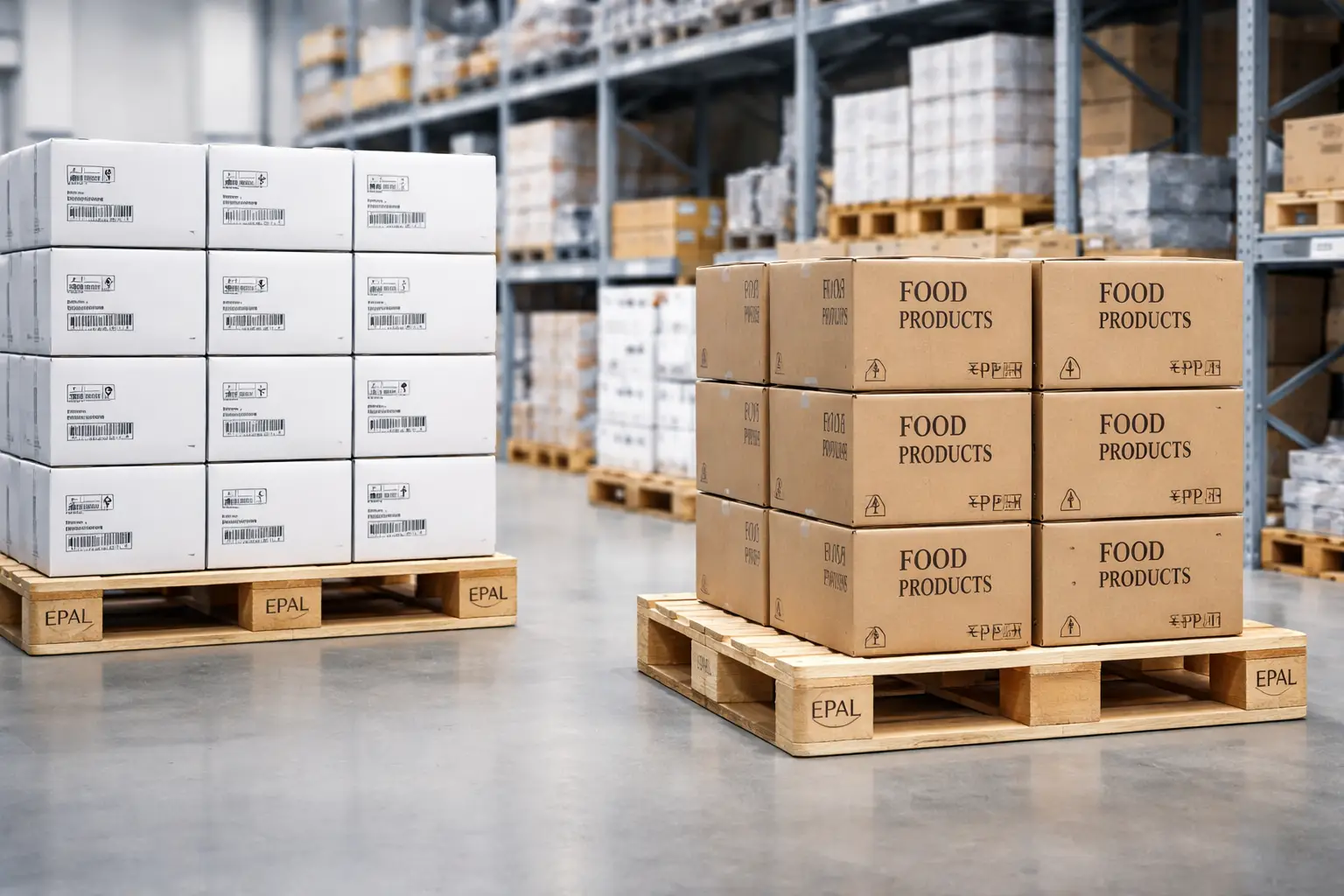

EPAL Pallets for the Food & Pharma Industry
February 18, 2026
CP3 Pallets: Why the Chemical Industry Prefers Them
March 6, 2026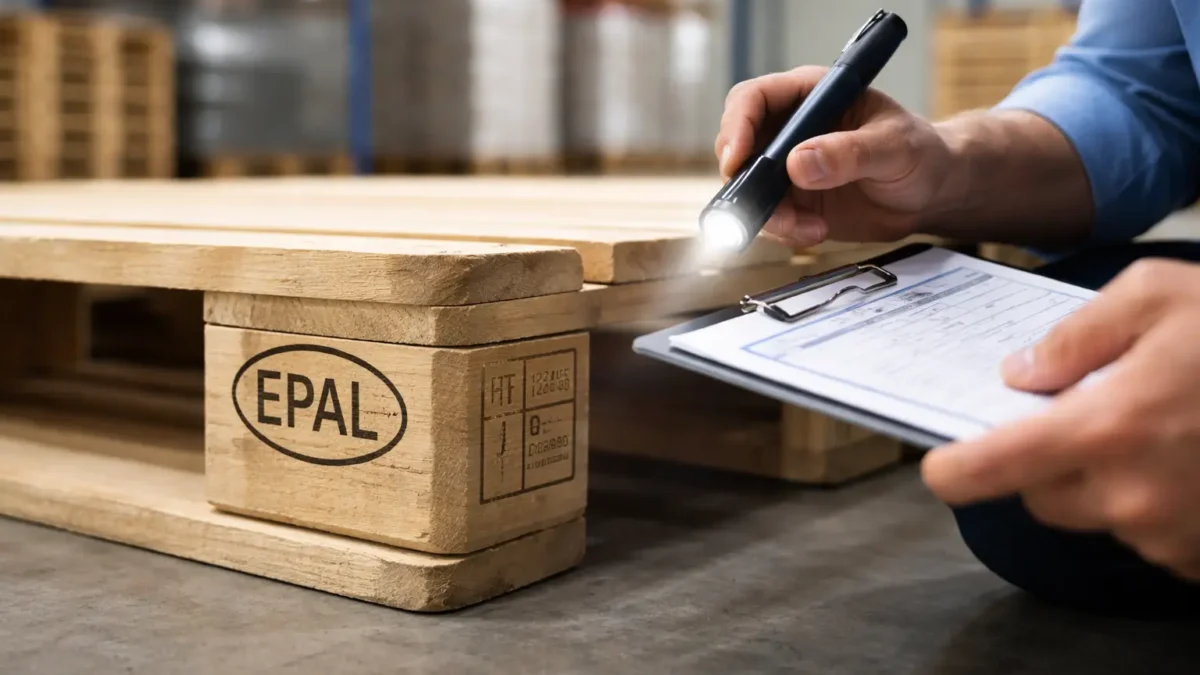
How to Spot Fake EPAL Pallets
Counterfeit EPAL pallets are a serious problem in global logistics.
They may look real. They may carry the EPAL mark. But many are not licensed or inspected. Using fake pallets can lead to export rejection, product damage, and legal trouble.
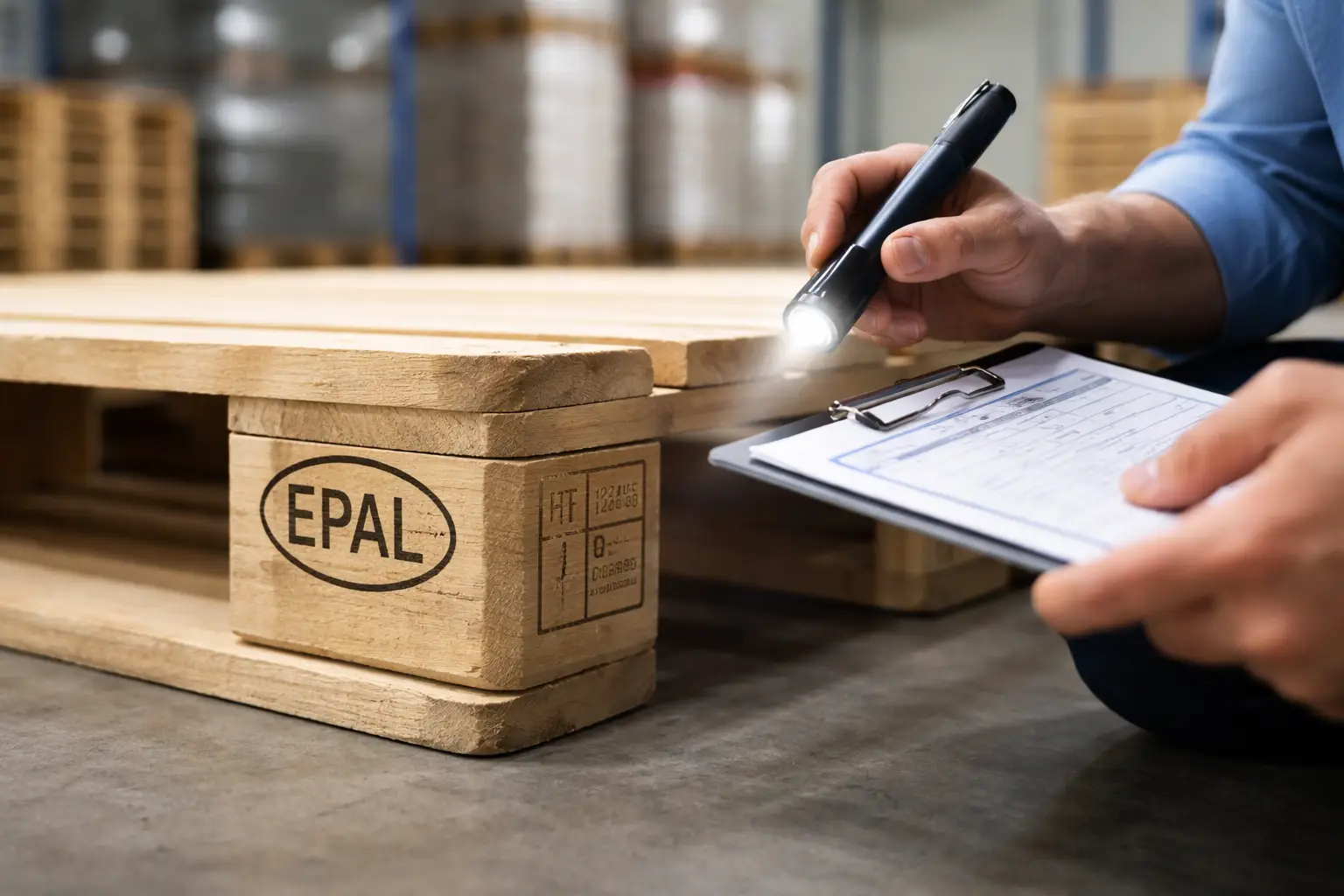
If you handle exports or warehouse operations, you must know how to spot fake EPAL pallets.
EPAL pallets follow strict rules. These rules are defined in the EPAL official quality and marking standards. Only licensed manufacturers can produce real EPAL pallets. Every pallet must meet clear marking, sizing, and repair requirements.
When pallets do not meet these standards, they are not genuine.
Let’s break this down step by step.
Why Fake EPAL Pallets Are a Serious Risk
Many buyers focus only on price. That is where the risk begins.
Fake EPAL pallets may cost less. But the hidden cost is high.
Here is what can happen:
-
Shipments may be stopped at customs
-
Containers may be rejected
-
Goods may collapse due to weak structure
-
Export delays may increase
-
Your brand reputation may suffer
In export markets, inspection officers check pallet markings. If the stamp is wrong or missing, the shipment can be held.
Fake pallets also skip proper heat treatment. This violates phytosanitary rules. That alone can block international shipments.
The difference between real and fake EPAL pallets may look small at first. But the impact is big.
Key EPAL Markings You Must Check
If you want to know how to verify EPAL pallet markings, start with the stamps. This will also help you identify genuine EPAL pallets.
Real EPAL pallets always have specific stamps placed in fixed positions.
Check for these:
-
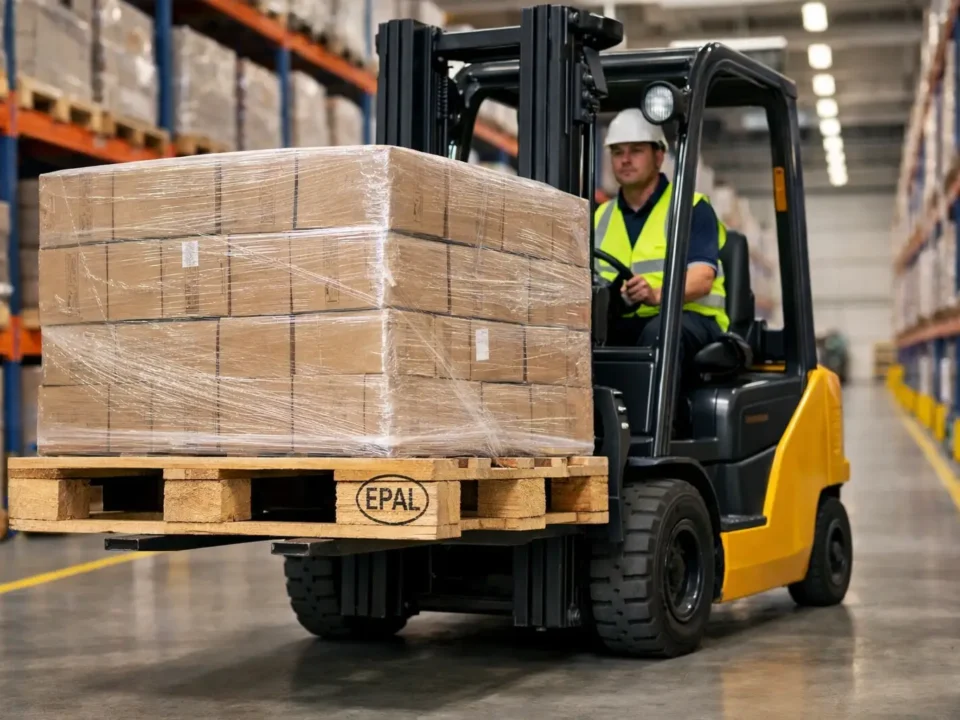
EPAL oval logo on the left corner block
-
EUR marking (if required)
-
HT stamp for heat treatment
-
IPPC symbol
-
Manufacturer license number
-
Year of production
Each marking serves a purpose.
The EPAL oval confirms it is part of the official system. The license number identifies the approved manufacturer. The HT mark shows the pallet was heat treated.
Heat treatment is required for export. Without it, pallets fail compliance checks. This falls under ISPM 15 certification for export pallets. It ensures wooden pallets are properly treated and marked for international shipping.
If any of these markings are missing, unclear, or badly printed, treat it as a warning sign.
Real stamps are sharp and consistent. Fake ones often look uneven or faded.
These are the most common signs of counterfeit EPAL pallets you should watch for.
Now let’s focus on how to spot fake EPAL pallets in real situations.
Look for these red flags:
-
Blurry or shallow EPAL stamp
-
Incorrect font style
-
Missing license number
-
No HT marking
-
Uneven wood thickness
-
Poor nailing pattern
-
Rough finishing
-
Wrong pallet dimensions
Real EPAL pallets follow strict dimensions. Even small size differences can affect warehouse automation.
Check the nails as well. Genuine EPAL pallets use approved nails placed in specific patterns. Fake pallets often use random nailing.
Also inspect the wood quality. Real EPAL pallets use strong timber. The boards should not crack easily. The surface should be firm and stable.
Weak wood is a major sign of counterfeit production.
How Real EPAL Pallets Are Licensed and Controlled
EPAL is not just a pallet design. It is a controlled licensing network.
Manufacturers must apply for approval. They must meet production standards. They are inspected regularly.
Licensed producers are assigned unique numbers. These numbers appear on the pallet blocks.
There is also a controlled repair system. Damaged pallets must be repaired by authorized repair centers. Approved components must be used.
This system ensures quality and traceability.
Counterfeit pallets bypass this entire process.
They copy the mark but ignore the standards.
That is why verifying markings and supplier credibility is important.
Industries That Cannot Risk Fake EPAL Pallets
Some sectors face greater consequences.
Food exporters must maintain hygiene standards. Pharmaceutical companies must follow GMP rules. Both rely on strong and compliant pallet systems.
Using counterfeit pallets in these industries can cause:
-
Shipment rejection
-
Failed audits
-
Product contamination risk
-
Loss of contracts
If you work in regulated industries, pallet compliance matters.
You should understand how EPAL pallets for food and pharma industry use works. They help meet safety standards. They also support export rules.
In these sectors, pallet authenticity is not optional.
Simple Checklist to Verify EPAL Pallet Authenticity
This checklist shows how to identify genuine EPAL pallets. Use it before accepting delivery.
Before accepting pallets from a supplier, follow this quick checklist:
-
Inspect the EPAL oval stamp on the left block.
-
Check for the HT and IPPC markings.
-
Confirm the manufacturer license number.
-
Measure the pallet dimensions.
-
Examine wood strength and nail pattern.
-
Ask for supplier certification proof.
Do not rely only on visual appearance. Always verify documentation when possible.
Spending a few extra minutes on inspection can prevent major losses later.
Conclusion: Protect Your Business from Counterfeit Pallets
Fake EPAL pallets create hidden risk.
They may look real. But they often fail inspection. They may not meet export standards. They may break under load.
Knowing how to spot fake EPAL pallets protects your shipments. It also protects your reputation.
Always check the markings. Verify the license number. Inspect the build quality. Buy only from reliable suppliers.
To avoid counterfeit risk, choose the right supplier. Work with a trusted EPAL pallets manufacturer in India. They should follow proper licensing and quality standards.
A genuine pallet supports your supply chain. A fake pallet can disrupt it.