
Why EPAL Pallets Are a Must for European Exports
November 26, 2025
EPAL Pallet Repair & Reuse: Rules You Need to Know
December 18, 2025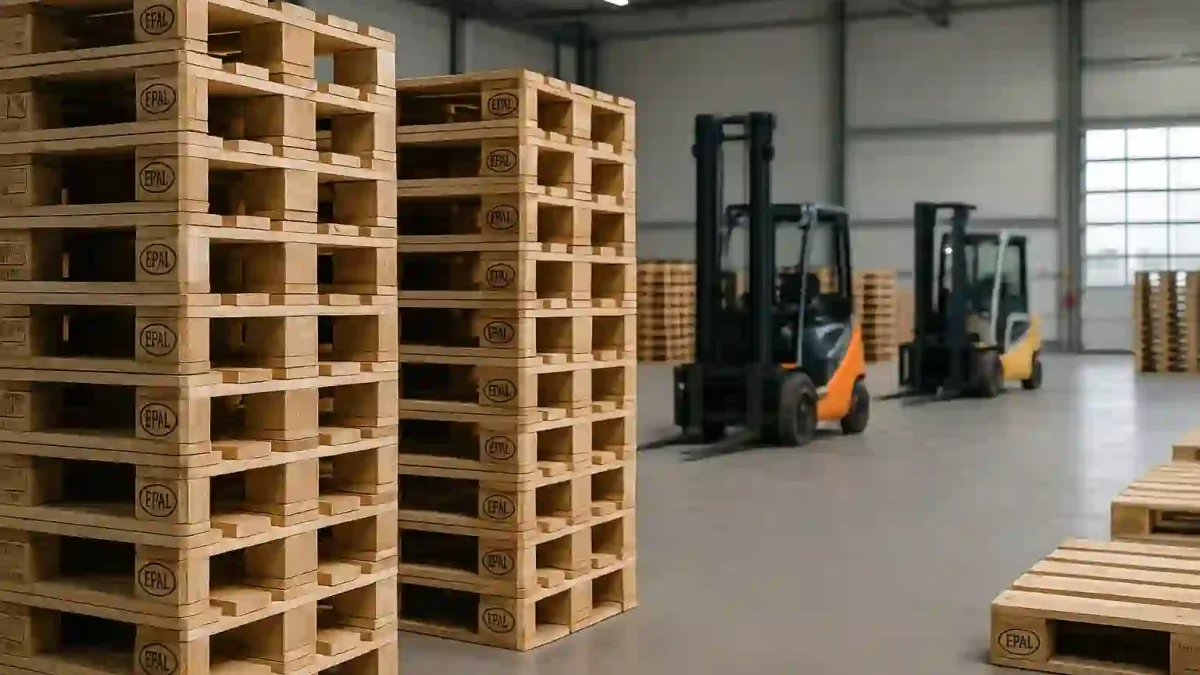
Why EPAL Pallets Are a Must for European Exports
Exporting to Europe isn’t about having the right product or paperwork. EPAL pallets for European exports are now a critical need. European supply chains rely on predictability. When pallets do not meet expectations, shipments slow down. Inspections increase. Costs rise.
Many exporters only realise this after facing delays or pushback from European buyers. What looks like a “simple wooden pallet” on one end can become a compliance and handling issue on the other.

Europe’s logistics ecosystem follows a different model. It prioritises uniform systems that work across borders. Europe treats pallets as part of the system, not as an afterthought.
Why Europe Is Strict About Pallets in Export Shipments
Europe runs a logistics network that connects many countries. Logistics teams move goods across borders without unloading or repacking them. For this to work, every part of the supply chain must be predictable.
Pallets play a bigger role than most exporters expect. They control how teams lift, stack, store, and transport goods. A pallet that doesn’t align with European handling systems can interrupt the entire flow.
That’s why European buyers and logistics partners tend to be firm about pallet standards. It’s not about preference. It’s about keeping operations efficient across warehouses, trucks, ports, and distribution centres.
This approach comes from Europe’s long history of shared infrastructure. Goods often move through several countries before reaching the end customer. Teams may never repack them.
In this environment, small inconsistencies can cause major operational problems. Standardisation ensures teams handle every shipment the same way. This builds confidence across borders.
Standardisation as the Foundation of European Logistics
Standardisation is what allows Europe’s supply chains to function at scale. Warehouses, racks, forklifts, and automated systems use uniform load carriers.
Industry bodies like the European Logistics Association (ELA) support standardised systems. These systems reduce handling time, errors, and friction across European supply chains. When load carriers follow common standards, logistics becomes faster, safer, and more predictable.
This mindset explains why Europe places such importance on pallet uniformity. It’s not about the pallet alone. It is about how well it fits into a larger system.
Interoperability Across Warehouses, Transport, and Borders
A pallet may pass through several warehouses and transport systems before delivery. If it doesn’t fit standard racking or handling equipment, it creates delays. Standardised pallets remove that uncertainty and keep goods moving without interruption.
What This Means for Pallets Used in European Exports
For exporters, this system has direct consequences. Non-standard pallets often trigger more checks at European entry points. Sometimes teams transfer goods to compliant pallets. This increases cost and delays shipments.
Even accepted shipments can face issues if pallets are not uniform. Handling becomes harder inside European warehouses. This raises the risk of damage and slows operations. That is why many European buyers specify pallet standards upfront.
Understanding these expectations helps exporters avoid surprises. Your pallet choice can affect shipment movement after arrival.
Where EPAL Pallets Fit Into Europe’s Logistics System
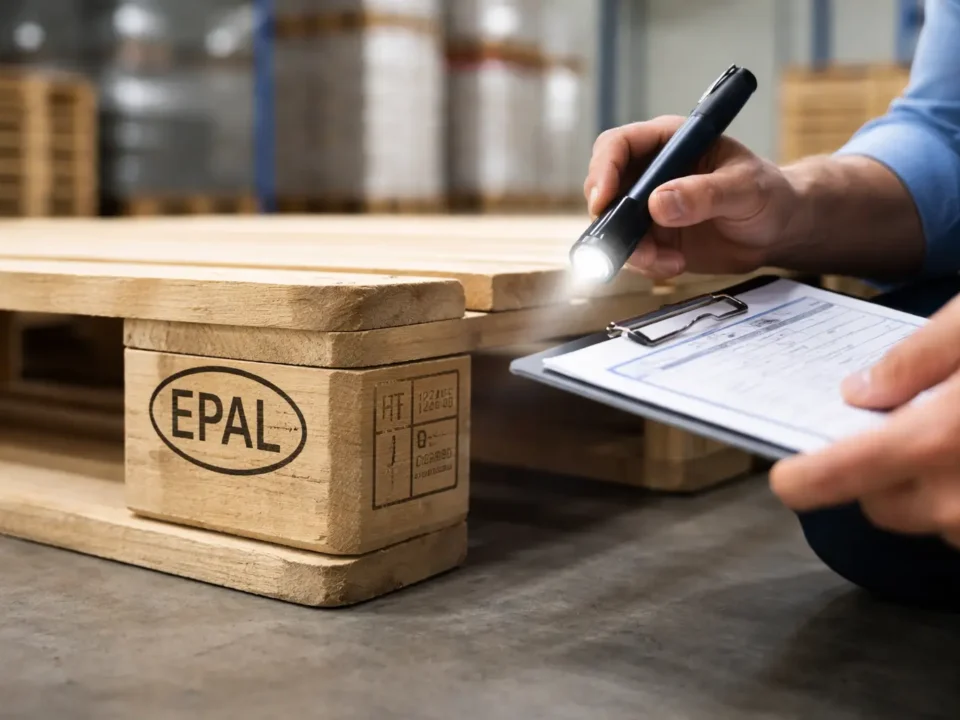
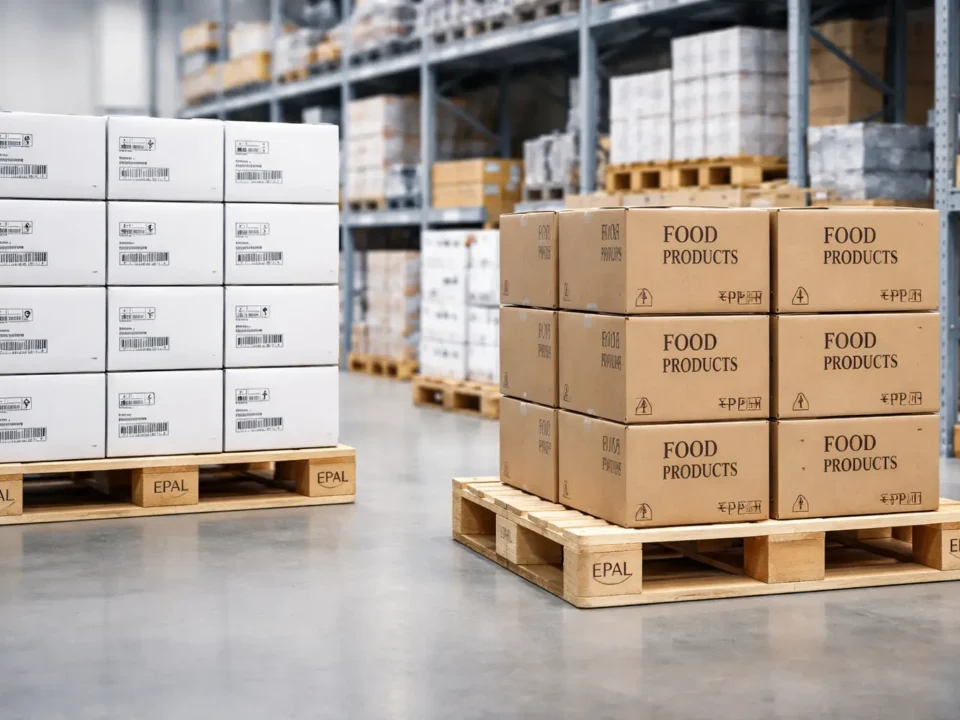
This is where EPAL comes in. EPAL pallets follow fixed dimensions. They use controlled manufacturing standards. They also have a structured repair system. That consistency makes them easy to recognise and accept across Europe.
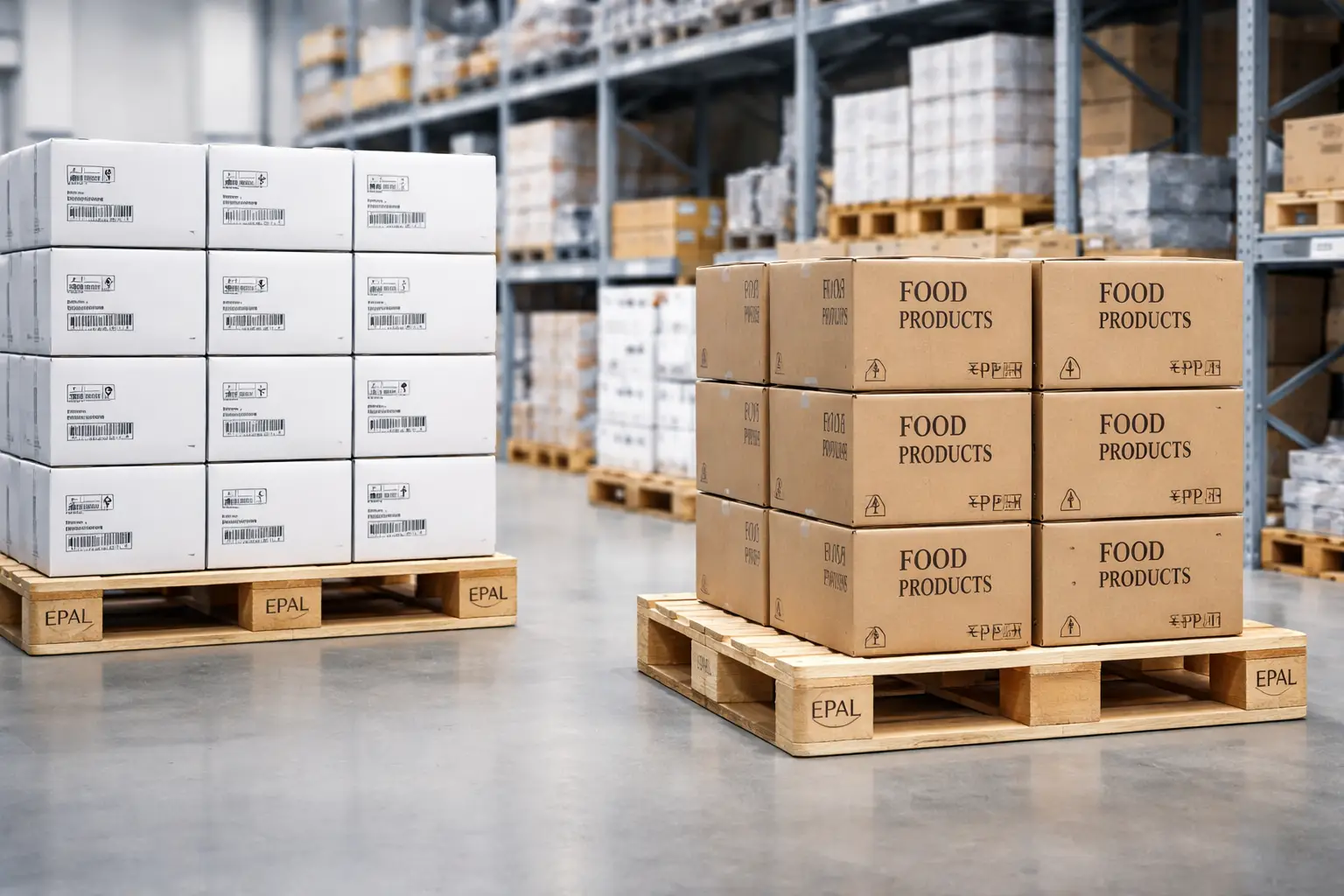
EPAL pallets are common and well understood. They move through European warehouses with minimal friction. Forklifts, racking systems, and transport equipment are already designed to handle them.
For exporters, this means fewer questions, fewer inspections, and smoother downstream handling. EPAL aligns well with Europe’s standardised logistics systems.
Compliance Layer – ISPM-15 and Export Readiness
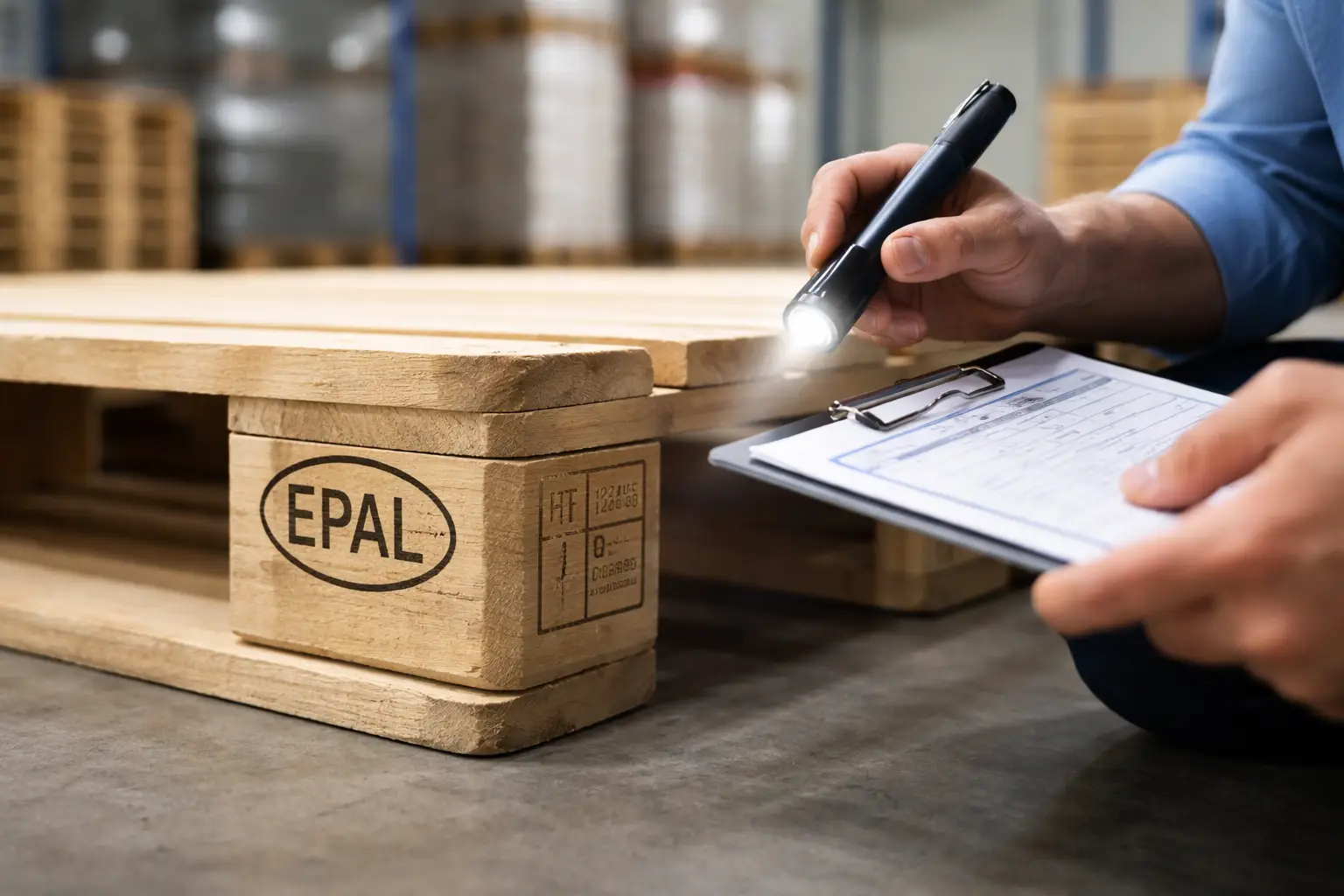
Beyond operational efficiency, compliance is non-negotiable. All wooden packaging used in international trade must meet ISPM-15 requirements. This includes heat treatment and proper marking.
Failure to comply can lead to shipment holds. Rejections may follow. In some cases, pallets must be re-treated at the destination. These issues are expensive and difficult to resolve once goods have already shipped.
Using pallets designed for export compliance reduces this risk. When pallets meet both operational and regulatory expectations, exporters avoid unnecessary complications.
Avoiding Delays and Rejections at European Customs
Customs inspections focus on risk reduction. Clear markings and compliant treatment reduce uncertainty. Recognised pallet systems help speed up clearance at EU borders.
Final Takeaway for Indian Exporters
Europe values predictability. Warehouse infrastructure and cross-border transport rely on standardised systems. Pallets are a core part of that framework, not a minor packaging detail.
For exporters shipping to Europe, using EPAL pallets for European exports reduces friction. It also simplifies compliance. European buyers and logistics partners expect this standard.
Choosing export-ready wooden pallets helps avoid delays. It also reduces repacking and inspection costs later in the supply chain.