
Differences Between CP1, CP3, and CP9 Pallets
September 14, 2026
Pallets in the Automotive Parts Industry
Automotive manufacturing runs on precision. Parts need to arrive at the right station, at the right time, in packaging built to a known standard.
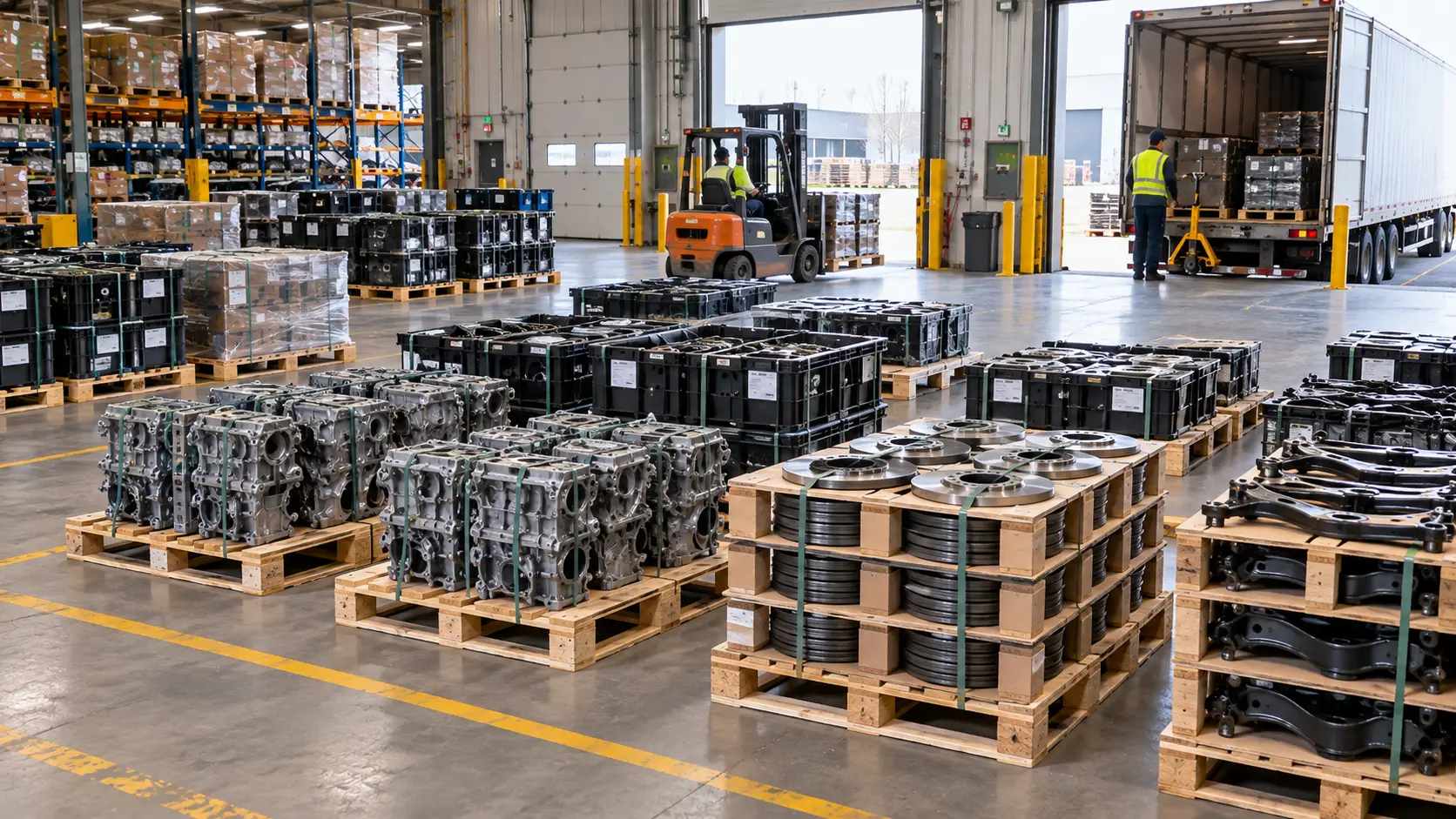 Pallets are a bigger part of this system than most people realize. The wrong pallet size can slow an entire production line, not just one shipment.
AIAG created these standards for the automotive industry. Standardization across the industry isn’t a nice-to-have. It’s built into how modern automotive supply chains function.
Why Standardization Matters So Much Here
Automotive supply chains have many suppliers. They all send parts to one assembly line. Every one of those suppliers needs to ship on compatible packaging.
Without a shared standard, receiving docks would need different equipment for every supplier. Forklifts, conveyors, and automated systems would need constant reconfiguration. AIAG helps solve this problem. It gives the industry a common pallet size to use.
One AIAG study found that standard pallets and containers could save $10 million to $30 million. That’s before counting the secondary savings from smoother handling and fewer packaging exceptions.
The Standard Footprint
AIAG’s work established a common pallet footprint built around intercontinental shipping needs. The size fits sea containers well. This helps pallets load efficiently by truck, rail, or ship.
This isn’t just about fitting more pallets in a container. A standard pallet size lets different machines use the same setup.
We explain why standard pallet sizes matter for warehouse automation. The same idea applies to other industries. The logic holds here too: automation depends on predictable dimensions.
Returnable Packaging and Just-in-Time Manufacturing
Automotive manufacturing leans heavily on just-in-time production. Parts arrive close to when they’re needed, not stockpiled in advance. This keeps inventory costs down but raises the stakes on packaging reliability.
Returnable pallets fit this model well. Suppliers and manufacturers reuse the same pallets. They send them back and forth instead of buying new ones. This saves money over time. It also reduces waste from pallets used only once.
Odd-sized, non-standard pallets don’t fit into this system. They are replaced instead of reused. This defeats the purpose of a returnable pallet program.
Load Capacity and Durability Requirements
Automotive parts range widely in weight and shape. Engine components are dense and heavy. Trim pieces and small hardware are light but need careful protection from damage.
Pallets in this industry must handle repeated loading, transport, and unloading without breaking. A pallet that cracks after a few trips costs more to replace. It can also cause delays. A stronger pallet may cost more at first but save money later.
Our guide explains which wood types are best for heavy industrial loads. It covers wood that can handle repeated, heavy use.
Export Compliance for Global Suppliers
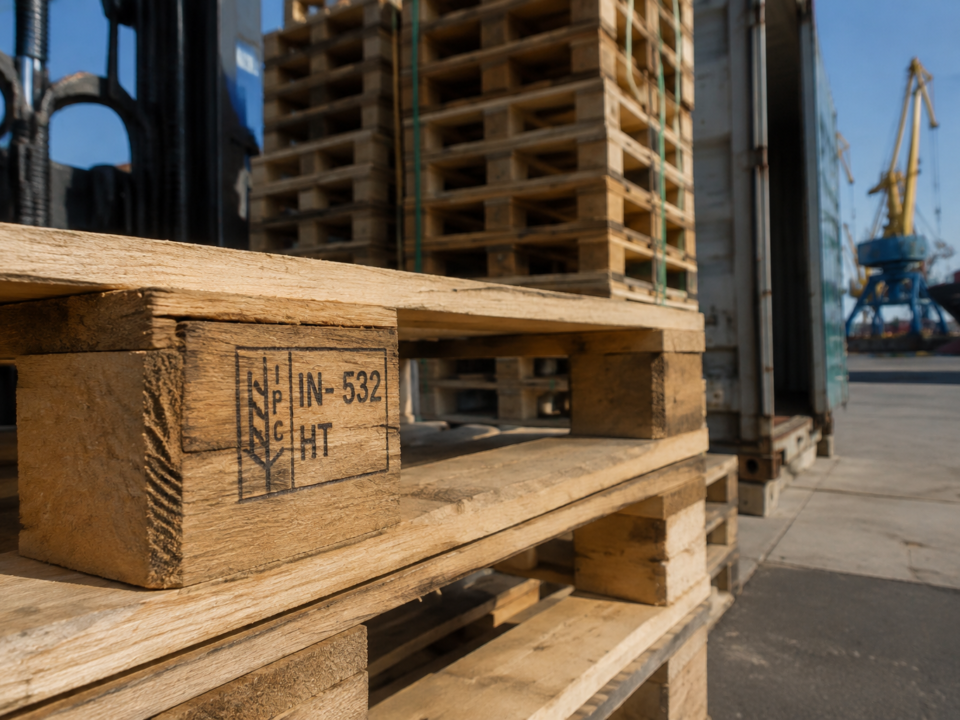
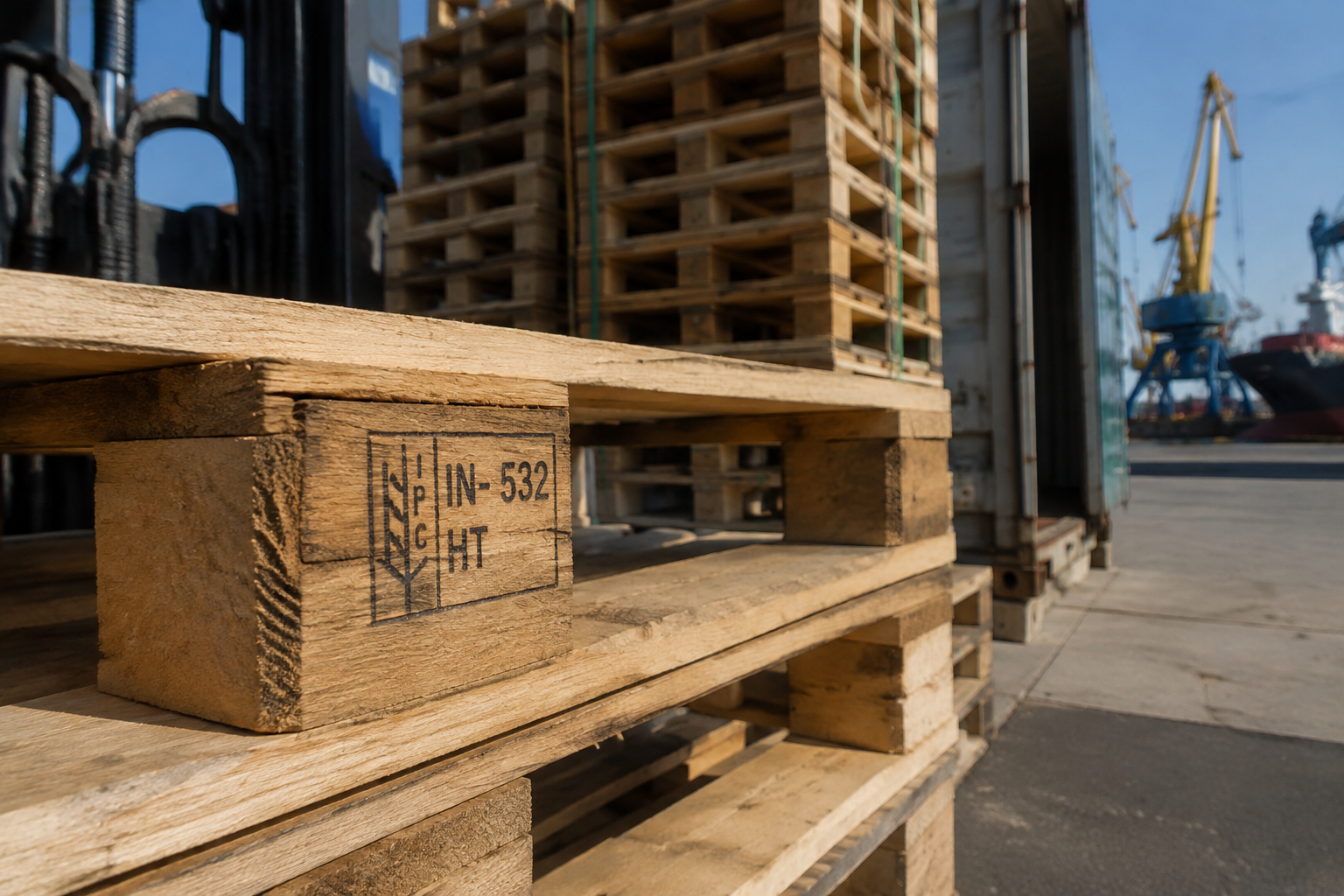
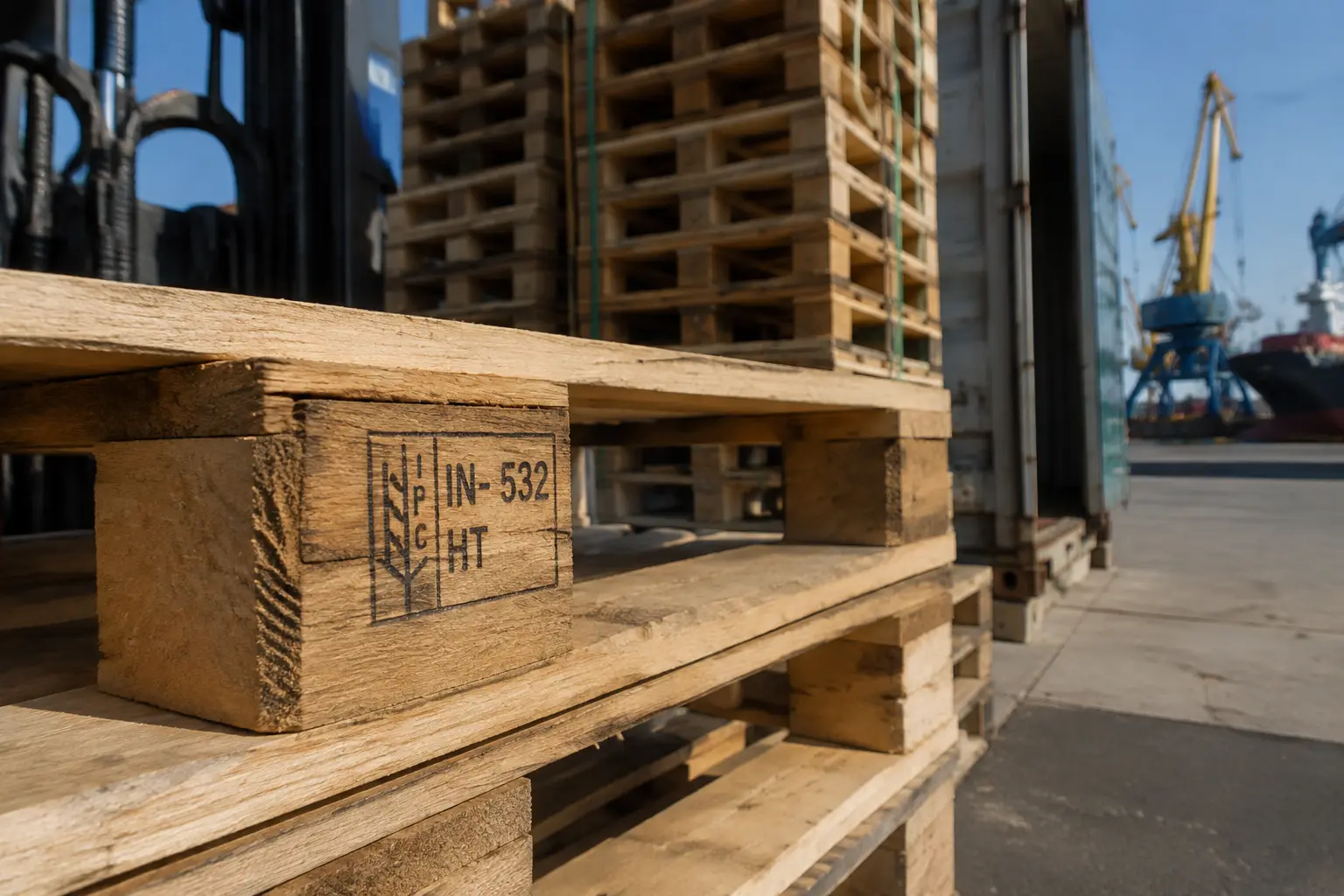
Automotive supply chains span countries and continents. Any wood pallet crossing a border must meet ISPM 15 rules. This applies even if it fits the AIAG pallet size.
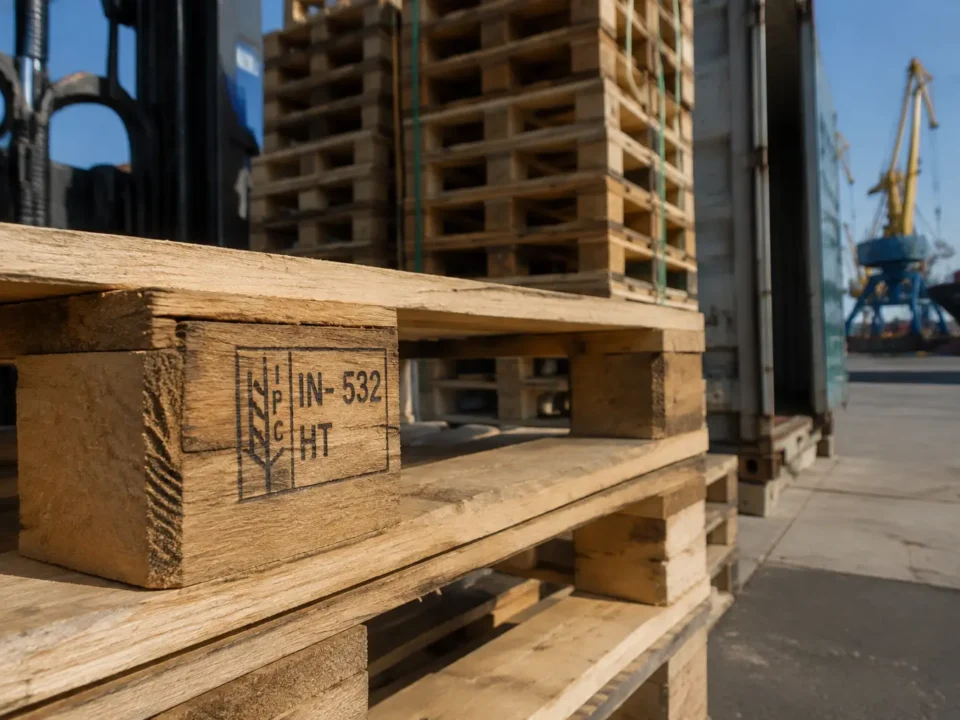
Your pallet supplier must meet two needs. The pallet must fit automotive systems. It must also have proper heat treatment and IPPC marking for export. Missing either one can hold a shipment at the exact moment a production line is waiting on it.
What This Means for Suppliers
If you supply parts to car makers, check their packaging rules first. They may require specific pallet sizes, types, or materials.
Returnable pallets can save more money in automotive supply chains. These supply chains use pallets again and again. Packaging mistakes can also cost more.
Conclusion
Pallets in automotive manufacturing aren’t just a shipping detail. They are part of a standard system. It helps keep production running without delays.
Getting the size, strength, and compliance right helps keep your parts moving. It also helps prevent delivery delays.
Need pallets built to automotive-grade durability and export compliance standards? Get properly built wooden pallets matched to your supply chain requirements.