
CP9 Pallets: The Best Choice for Bulk Containers
March 13, 2026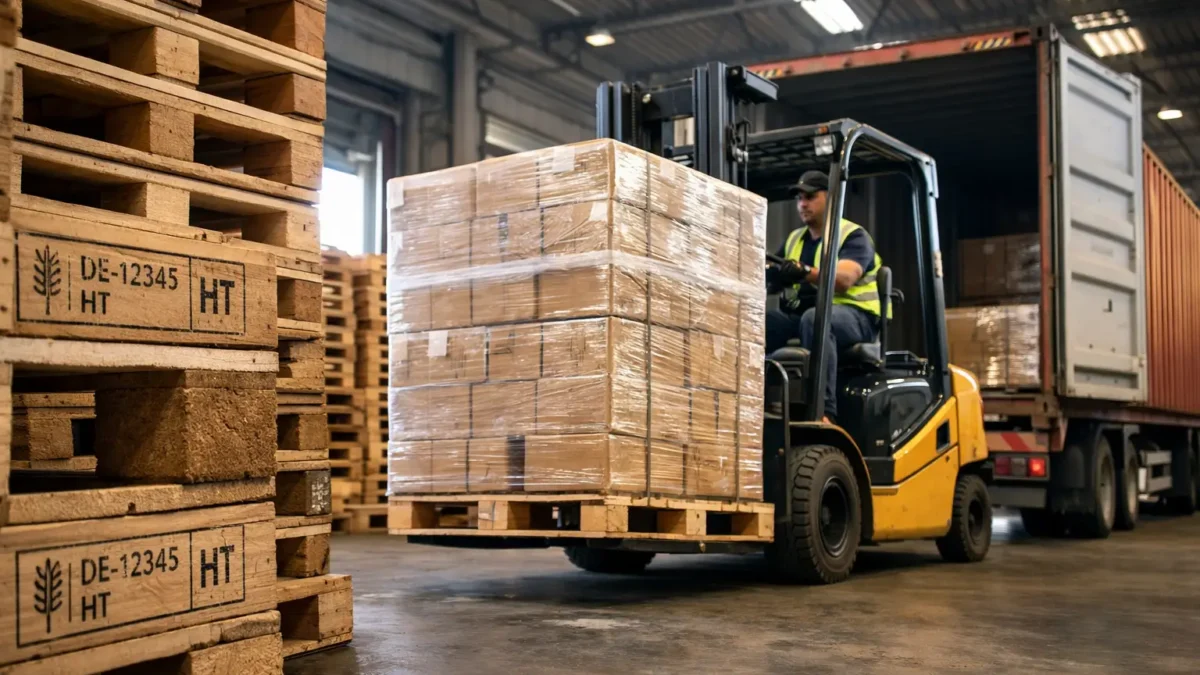
ISPM 15 Requirements for Top Export Countries
Global shipping relies heavily on wooden pallets, crates, and dunnage. They protect cargo and keep loads stable during long transit routes.
But untreated wood can carry insects and plant pests. If these pests enter another country, they can damage agriculture and forests. That is why most countries enforce strict rules for wood packaging used in exports.
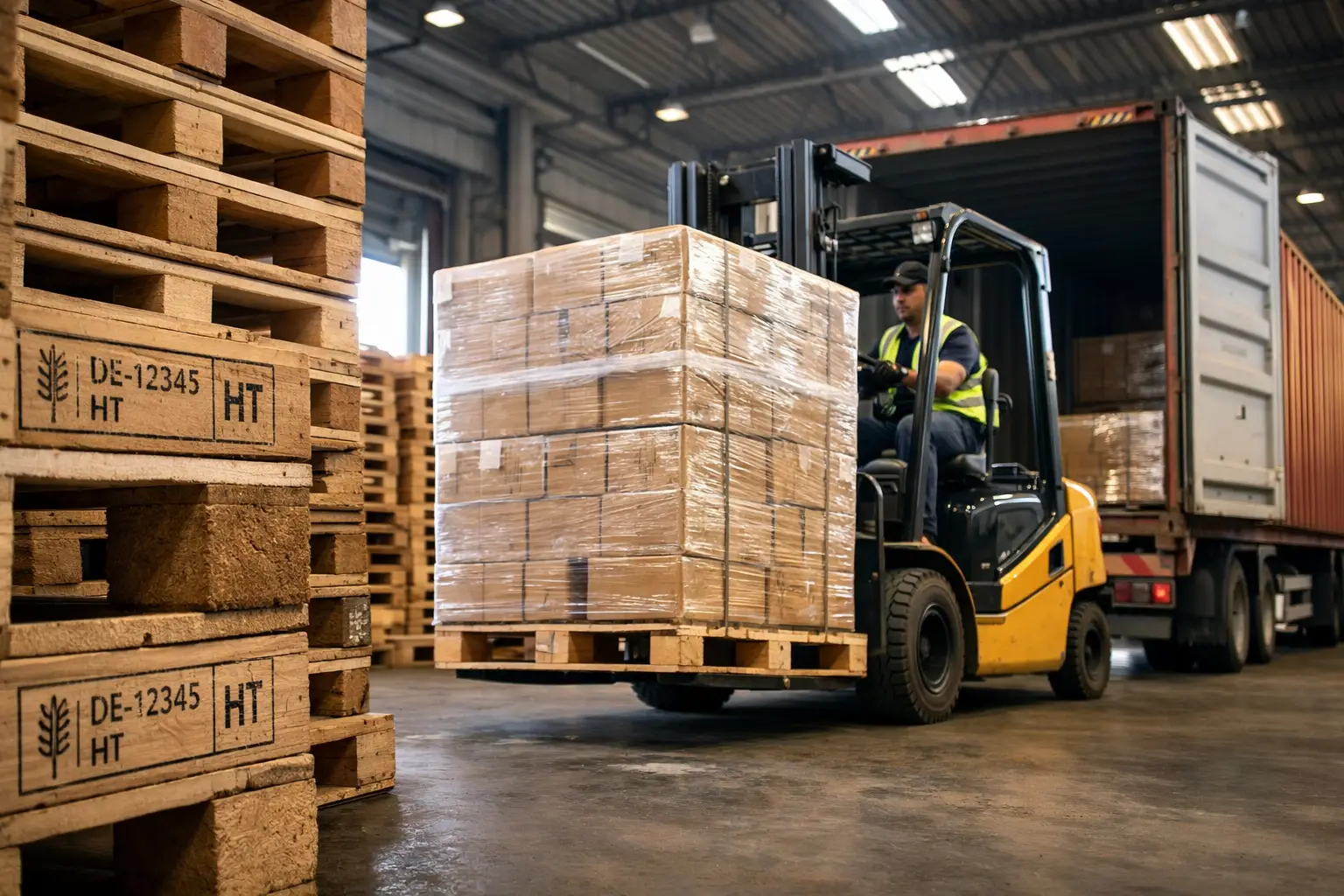
Pests can spread through wooden packaging during international shipping. To stop this, regulators introduced ISPM 15 requirements for export countries. These rules come from the International Standard for Phytosanitary Measures No. 15 (ISPM 15).
Most countries enforce strict rules for wood packaging used in exports. Many countries requiring ISPM 15 pallets inspect packaging before allowing cargo to enter.
This rule explains how wood packaging must be treated. It also requires a stamp to show the packaging meets export standards.
What Is ISPM 15 and Why It Matters in Export Shipping
ISPM 15 is a global rule for wood packaging. ISPM 15 regulates wood packaging material (WPM) used in international trade.
It applies to items such as:
-
wooden pallets
-
export crates
-
wooden dunnage
-
blocking and bracing
The goal is simple. Prevent insects and wood-boring pests from spreading between countries.
For example, a warehouse may ship machinery from India to Europe. If the goods are loaded on untreated pallets, the wood may carry pests. If pests are present in the wood, they may enter European forests. ISPM 15 reduces this risk by requiring treated packaging.
Most countries now must ISPM 15 compliant pallets for imports. If pallets do not meet the standard, shipments may be delayed, quarantined, or rejected.
What Packaging Materials Require ISPM 15 Compliance
ISPM 15 applies to solid wood packaging thicker than 6 mm used in export shipments.
This typically includes:
-
wooden pallets
-
wooden crates
-
export packing cases
-
dunnage used to secure cargo
Many warehouses ship heavy goods on wooden pallets. These goods often include machinery, auto parts, and industrial equipment.
Extra wooden bracing is often added to keep the load stable during transport. These materials fall under ISPM 15 rules.
But, some materials are exempt.
Examples include:
-
plastic pallets
-
presswood pallets
-
plywood pallets
-
corrugated packaging
These materials are processed in ways that cut pest risks. As a result, they do not need ISPM 15 treatment.
This difference matters for logistics teams. It helps them choose the right packaging for export shipments.
ISPM 15 Treatment Methods for Export Pallets
To follow ISPM 15 regulations, wooden packaging must undergo approved pest treatment.
Two methods are accepted.
Heat Treatment (HT)
Heat treatment is the most common method used today.
Wood packaging is placed in a heat chamber and heated to 56°C for at least 30 minutes at the wood core. This process kills insects and larvae inside the wood.
Many pallet manufacturers use heat treatment. It is safer for the environment and accepted by most countries worldwide.
Methyl Bromide Fumigation (MB)
This method uses a chemical fumigation process to cut pests.
The pallets are exposed to methyl bromide gas inside a sealed chamber. The gas penetrates the wood and kills insects.
Yet, many countries are reducing the use of this method due to environmental concerns.
Want to understand these treatments better? Read our guide on ISPM 15 heat treatment vs chemical fumigation.
Understanding the ISPM 15 IPPC Stamp
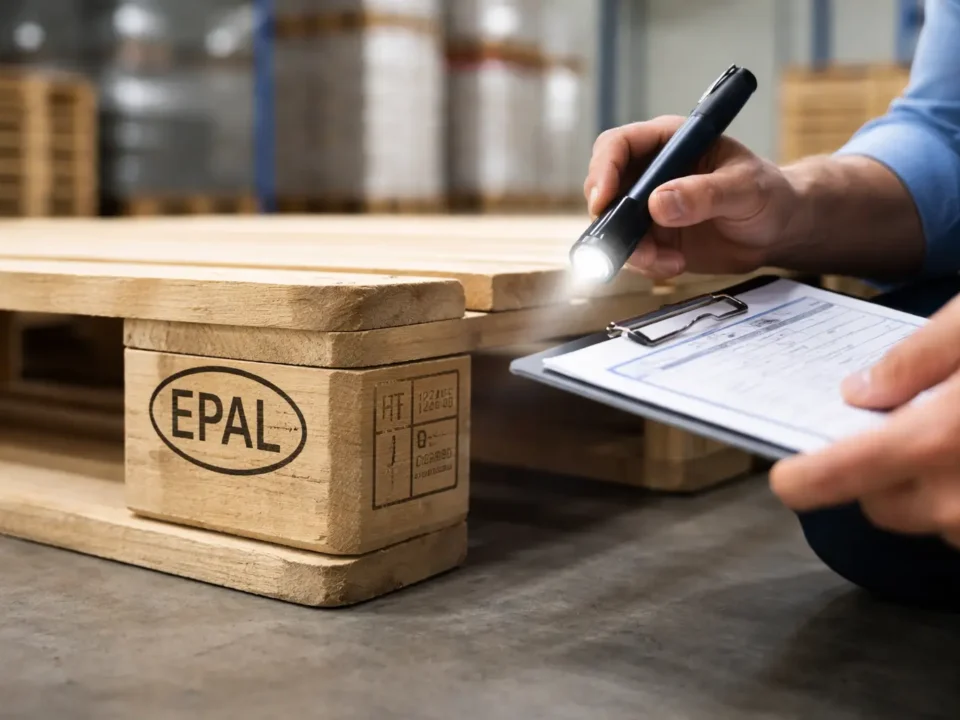
After treatment, pallets receive an IPPC stamp. This mark confirms that the wood packaging meets ISPM 15 requirements.
Warehouse staff should always check this stamp before loading export cargo.
A typical stamp contains several elements.
-
IPPC symbol
-
country code
-
treatment code (HT or MB)
-
facility registration number
For example, a pallet stamped with HT indicates it was heat treated according to ISPM 15 rules.
In many export warehouses, the loading supervisor checks pallet stamps before shipment. This usually happens during the final cargo inspection. This step helps avoid compliance issues at destination ports.
ISPM 15 Requirements for Major Export Countries
Many countries requiring ISPM 15 pallets check shipments at ports. They also inspect pallets at border checkpoints.
Most major export destinations enforce ISPM 15 regulations. But, enforcement procedures and inspections may vary.
Below are some of the most important markets.
United States
The United States strictly enforces ISPM 15 rules.
All wood packaging entering the country must be treated and stamped. Customs and agriculture inspectors often check pallets at entry ports.
If pallets are not compliant, the shipment may be refused or the packaging destroyed.
Warehouses shipping electronics or machinery to the US must check pallet compliance. This check should be part of the dispatch process before loading the shipment.
European Union
The European Union requires ISPM 15 compliance across all member countries.
Goods entering European ports must use treated wood packaging. The pallets must also carry a valid IPPC stamp.
Many exporters use standardized pallets to match EU logistics systems. Learn more about EPAL pallets for European exports. They are widely used across European supply chains.
Australia
Australia has some of the strictest biosecurity regulations in the world.
Wood packaging entering the country must follow ISPM 15. Cargo is often inspected by quarantine officers.
If non-compliant pallets are found, they may be destroyed or the shipment may face delays.
Export warehouses shipping to Australia should always verify pallet treatment before container loading.
Canada
Canada also requires ISPM 15 compliance for imported wood packaging.
Pallets must carry a visible IPPC mark confirming treatment. Canadian border inspections may check packaging during customs clearance.
For exporters, using certified pallets reduces the risk of delays at Canadian ports.
China
China enforces ISPM 15 regulations for wood packaging used in international shipments.
Customs authorities may inspect pallets, crates, and dunnage when goods arrive.
Warehouses often export industrial equipment and heavy machinery to China. In these cases, using ISPM 15 compliant pallets is essential.
Japan
Japan maintains strict phytosanitary standards for imported goods.
Wood packaging must be treated and properly stamped under ISPM 15 regulations. Non-compliant pallets can result in shipment delays during inspection.
UAE
The UAE is a major logistics hub for the Middle East.
Wood packaging used for imports must follow ISPM 15 rules. Ports such as Jebel Ali may inspect packaging materials during customs clearance.
Exporters using UAE ports should check their pallets before shipping. The pallets must be certified and properly marked.
What Happens If Pallets Are Not ISPM 15 Compliant
Using non-compliant pallets can create serious operational problems.
Common issues include:
-
shipment delays at ports
-
quarantine inspections
-
destruction of wooden packaging
-
re-export costs
For example, a container arriving with untreated pallets may be held by customs. The importer may then have to replace the packaging or send the cargo back.
These situations increase costs and disrupt delivery schedules.
How Exporters Can Ensure ISPM 15 Compliance
Export teams can reduce risks by following a simple process.
First, source pallets from certified suppliers who follow ISPM 15 treatment standards.
Second, train warehouse staff to check IPPC stamps before loading cargo.
Third, ensure all wooden packaging used for export shipments is treated and documented.
Many warehouses include pallet inspection as part of their pre-dispatch checklist. This small step helps prevent costly compliance problems later.
A Practical Tip for Export Warehouses
If your warehouse ships goods internationally, the pallets you use matter.
Using ISPM 15 compliant wooden pallets helps your cargo meet global shipping rules. It also reduces the risk of customs delays.
Reliable pallet suppliers can provide certified packaging designed specifically for export logistics.
Conclusion
ISPM 15 is now a global rule for wood packaging used in international shipping.
Most major export markets now must treated pallets and clearly marked IPPC stamps. For warehouses and logistics teams, pallet compliance is important. It is a key step when preparing goods for export shipments.
Use certified pallets for export shipments. Before loading, check that the treatment mark is visible. This lowers the risk of problems at the destination port. It helps avoid delays, inspections, or rejected cargo.