
ISPM 15 Requirements for Top Export Countries
March 20, 2026
Pallets for Pharmaceuticals and Cold Chain Transport: A Practical Guide
April 13, 2026

ISPM 15 Pallet Requirements EU: A Practical Guide for Exporters
Wooden pallets are used in almost every export shipment. They support cargo, keep loads stable, and make handling easier.
But wood can carry pests. If untreated pallets enter another country, they can damage crops and forests. That is why the European Union follows strict rules for wood packaging used in imports.
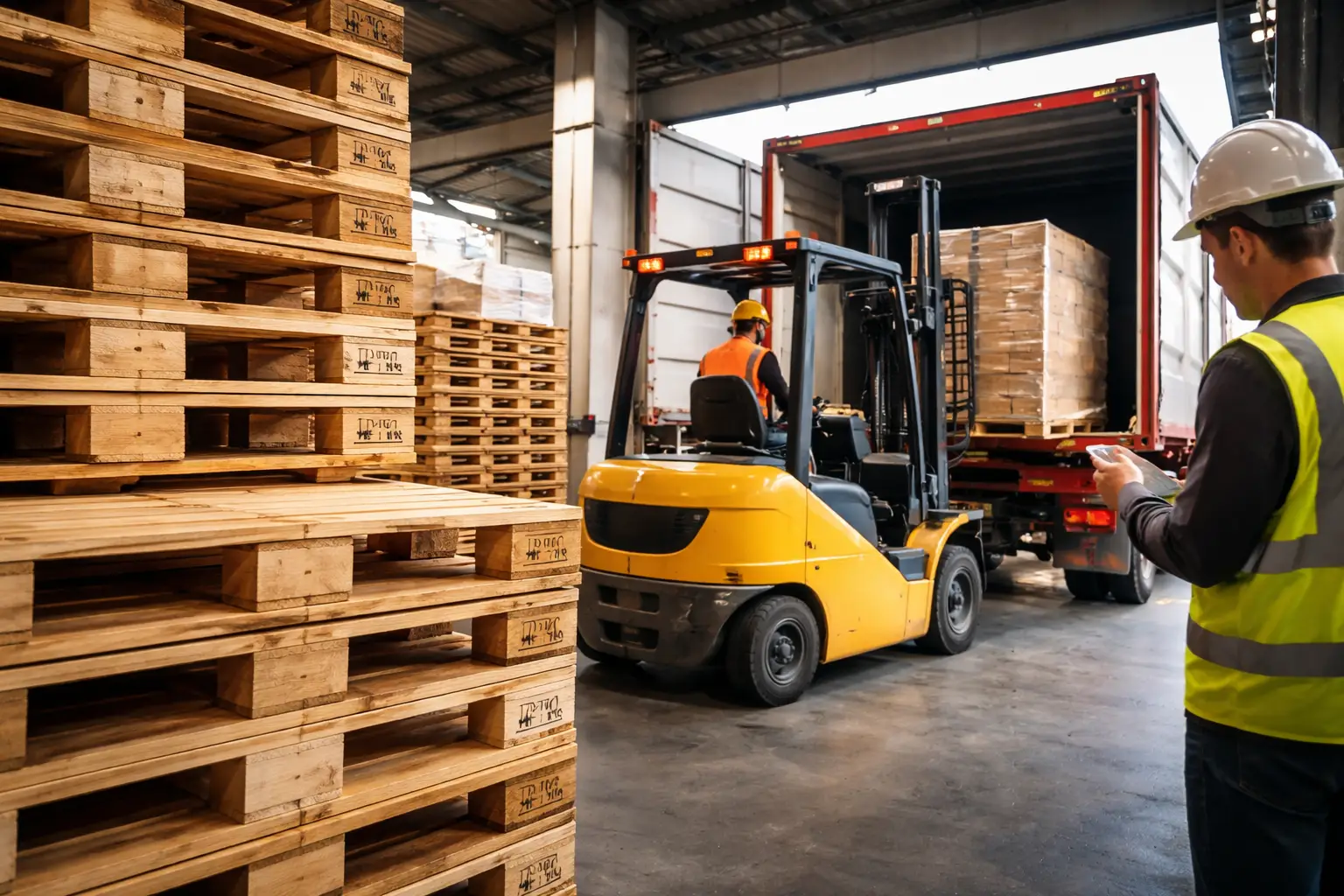
To control this risk, the EU enforces ISPM 15 pallet requirements EU importers must follow. According to the EU requirements for wood packaging material. All wooden pallets entering the EU must also be properly marked.
What Are ISPM 15 Pallet Requirements EU Importers Must Follow
ISPM 15 is a global rule for wood packaging material (WPM) used in international shipping.
For the EU, the rule is simple. Any wood packaging coming from outside the EU must:
-
be treated to remove pests
-
carry a valid IPPC stamp
This applies to all types of export shipments entering the EU. Whether you are shipping machinery, electronics, or industrial goods, pallet compliance is required.
For warehouse teams, this means pallet checks are just as important as cargo checks.
Does ISPM 15 Apply Within the EU or Only for Imports
This is where many teams get confused.
ISPM 15 applies to imports into the EU. It does not apply to movement within EU countries.
For example:
-
Shipping from India to Germany → ISPM 15 required
-
Shipping from Germany to France → ISPM 15 not required
This distinction is important for procurement and logistics planning.
What Wood Packaging Requires ISPM 15 in EU Shipments
ISPM 15 applies to solid wood packaging thicker than 6 mm.
This includes:
-
wooden pallets
-
crates
-
packing cases
-
dunnage
-
blocking and bracing
In many warehouses, heavy cargo like machinery or auto parts is secured using wooden supports. These materials must also follow ISPM 15.
Some materials are exempt.
Examples include:
-
plastic pallets
-
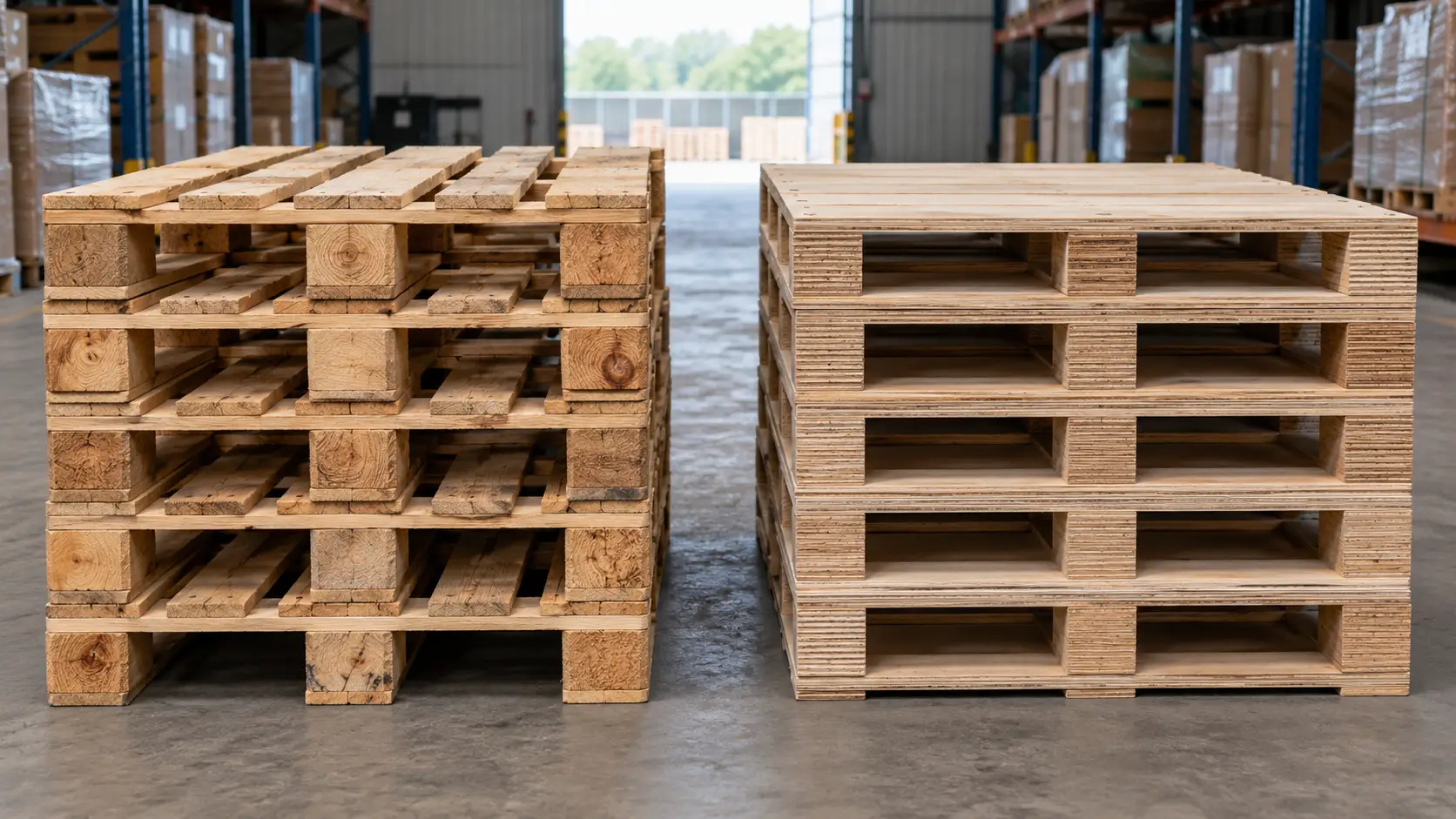
plywood pallets
-
presswood pallets
-
corrugated packaging
These materials are processed and do not carry pest risks. So they do not require treatment.
ISPM 15 Treatment Methods Accepted in the EU
To meet ISPM 15 requirements, pallets must be treated before use.
There are two approved methods.
Heat Treatment (HT)
This is the most common method.
Wood is heated to a core temperature of 56°C for at least 30 minutes. This kills insects and larvae inside the wood.
Most exporters prefer heat-treated pallets. They are widely accepted and environmentally safer.
Methyl Bromide Fumigation (MB)
This method uses gas to cut pests.
Pallets are placed in a sealed chamber and exposed to methyl bromide. The gas penetrates the wood and kills insects.
However, many countries are reducing the use of this method.
To understand the difference in detail, read our guide on ISPM 15 heat treatment vs chemical fumigation.
IPPC Stamp Requirements for EU Shipments
After treatment, pallets must carry an IPPC stamp.
This stamp proves that the pallet meets ISPM 15 standards.
A typical stamp includes:
-
IPPC symbol
-
country code
-
treatment code (HT or MB)
-
facility number
Warehouse teams should check this stamp before loading.
For example, during container loading, the supervisor can quickly inspect pallet sides. If the stamp is missing or unclear, the pallet should not be used.
This simple step can prevent major issues at EU ports.
ISPM 15 Compliance Checklist for EU Exports
A few checks can reduce most risks.
Before dispatch, ensure:
-
all pallets have a visible IPPC stamp
-
pallets are sourced from certified suppliers
-
no untreated wood is used in bracing or dunnage
-
compliant and non-compliant pallets are not mixed
Many warehouses include this in their pre-dispatch checklist.
For example, a logistics team shipping auto parts to Italy may verify pallet stamps before sealing the container. This avoids delays during customs inspection.
What Happens If Pallets Are Not ISPM 15 Compliant in the EU
Non-compliance can cause serious problems.
Common issues include:
-
shipment delays
-
customs inspections
-
pallet destruction
-
re-export of cargo
In some cases, authorities may require the entire shipment to be repacked.
This increases cost and disrupts delivery timelines.
For exporters, this is avoidable with proper checks.
How EU Inspections Work at Ports
EU authorities carry out plant health inspections at ports.
These inspections may be:
-
random
-
risk-based
-
triggered by documentation or origin
Inspectors check pallets, crates, and dunnage for compliance.
If non-compliant wood is found, action is taken immediately.
For warehouse teams, this means compliance must be ensured before shipping, not after.
EU vs Global ISPM 15 Rules (Quick Comparison)
ISPM 15 is a global standard, but enforcement depends on the region.
The EU follows strict import rules, similar to other major markets.
If you want a broader understanding, see our guide on ISPM 15 requirements for export countries.
This helps teams understand how EU rules compare with other regions.
A Practical Tip for Export Warehouses
If your warehouse handles EU shipments regularly, pallet selection plays a big role in compliance.
Using ISPM 15 compliant wooden pallets for EU export shipments helps ensure your cargo meets EU import rules and avoids unnecessary delays.
Working with reliable suppliers also reduces the risk of last-minute issues during dispatch.
Conclusion
The EU has strict rules for wood packaging used in imports.
ISPM 15 compliance is not optional. It is a basic need for export shipments entering the region.
For warehouse and logistics teams, the focus should be simple:
-
use treated pallets
-
check IPPC stamps
-
verify packaging before dispatch
These small steps help avoid delays, reduce costs, and ensure smooth delivery.
In export operations, getting the basics right makes all the difference.