
ISPM 15 Pallet Requirements EU: A Practical Guide for Exporters
April 6, 2026
ISPM 15 Pallet Requirements USA: Complete Compliance Guide
April 20, 2026

Pallets for Pharmaceuticals and Cold Chain Transport: A Practical Guide
Pharmaceutical shipments are sensitive. Choosing the right pallets is important. Pallets for pharmaceuticals and cold chain transport help protect product quality. They must have strict control during storage and transport. Every step must protect product quality.
Pallets play a key role in this process. They support cargo, enable handling, and affect hygiene. In cold chain logistics, even small mistakes can damage products.
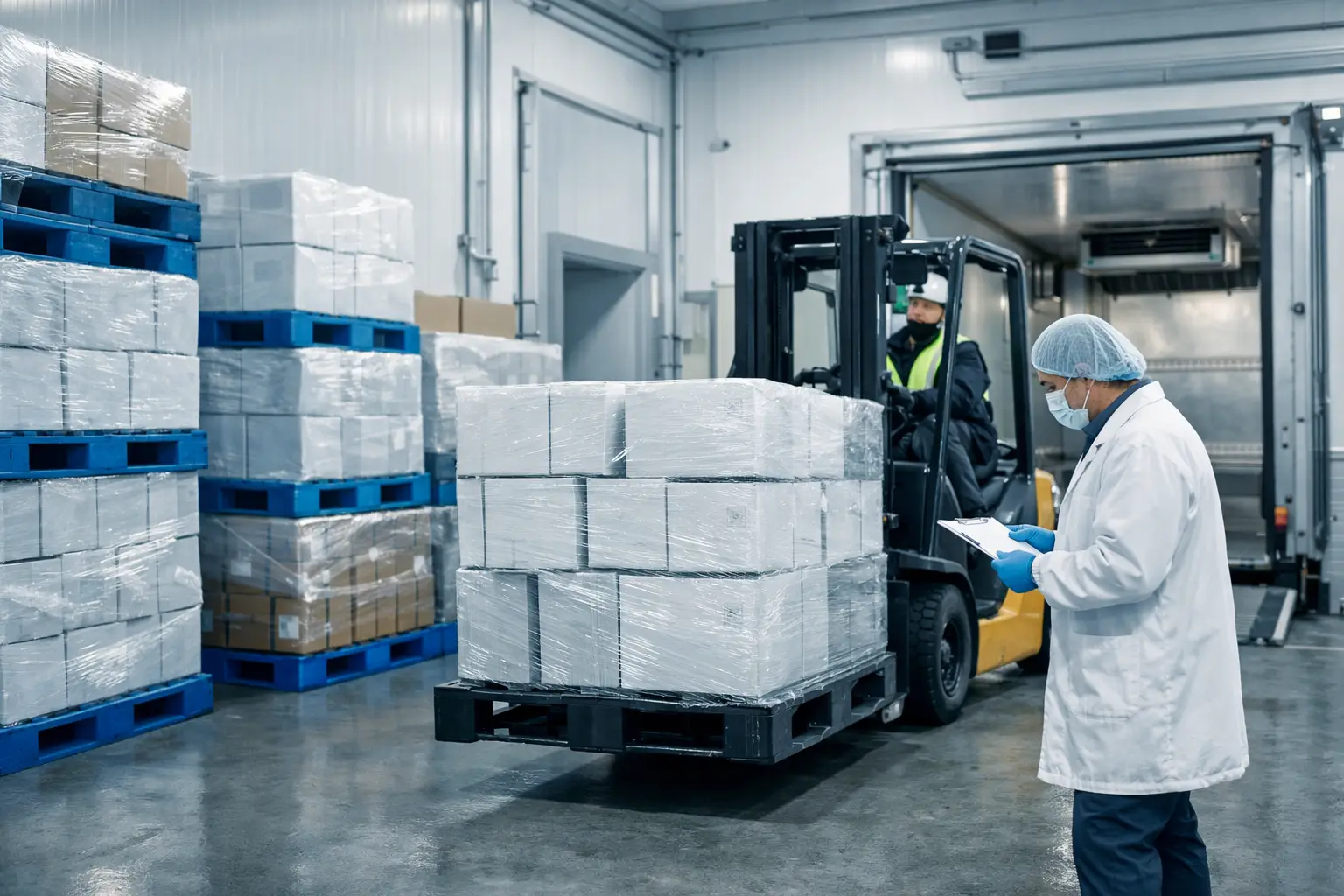 Pharmaceutical transport must follow strict standards. According to WHO guidelines, vaccines must be kept at the right temperature. Handling conditions must also be controlled at every stage of the supply chain.
Why Pallets for Pharmaceuticals and Cold Chain Transport Matter
Pallets are not just a base for stacking goods. They directly impact product safety.
In pharma logistics, pallets must support:
-
stable handling
-
contamination control
-
temperature consistency
For example, during vaccine transport, improper pallet surfaces can trap moisture. This can affect packaging integrity and increase contamination risk.
Warehouse teams should treat pallet selection as part of the cold chain system. It is not just a handling tool.
Key Requirements for Pharmaceutical Pallets
Pharma pallets must meet strict operational standards.
Key requirements include:
-
hygienic and easy-to-clean surfaces
-
non-porous material
-
high durability under load
-
consistent dimensions
In regulated environments, even minor contamination risks are unacceptable.
For example, in a pharma warehouse, pallets used in clean zones must be free from dust, moisture, or residue. This is critical for maintaining GMP and GDP compliance.
Pharma pallets must meet strict pharmaceutical pallet requirements for hygiene and durability.
Types of Pallets Used in Pharma and Cold Chain Transport
Different pallet types are used based on the application.
Plastic Pallets
Plastic pallets are widely used in pharma logistics.
They are:
-
non-porous
-
easy to clean
-
resistant to moisture
They perform well in refrigerated environments and reduce contamination risk.
Wooden Pallets
Wooden pallets are still used in many export operations.
They are:
-
cost-effective
-
widely available
-
strong under heavy loads
However, wood can absorb moisture and may require treatment.
Other Options
Presswood and hybrid pallets are also used in some cases.
These offer:
-
lighter weight
-
partial resistance to moisture
-
better standardization than raw wood
Plastic vs Wooden Pallets for Cold Chain Logistics
Choosing between plastic and wooden pallets depends on the use case.
Plastic pallets are better for:
-
hygiene-critical environments
-
cleanroom operations
-
long-term cold storage
Wooden pallets are used where:
-
cost is a concern
-
export packaging is needed
-
heavy loads are involved
However, wooden pallets must be treated properly. Learn more about ISPM 15 heat treatment and chemical fumigation. These treatments help improve safety and compliance.
For example, a warehouse may export pharma products on treated wooden pallets. Inside cold storage, it may use plastic pallets.
How Pallets Perform in Temperature-Controlled Environments
Cold chain logistics involves low temperatures and high humidity.
Pallets must handle:
-
condensation
-
freezing conditions
-
repeated temperature changes
Plastic pallets perform well because they do not absorb moisture.
Wooden pallets may absorb water. Over time, this can weaken the structure and increase contamination risk.
In a refrigerated warehouse, pallets may get wet from condensation. They can become slippery or unstable. This affects both safety and product handling.
Compliance and Safety in Pharmaceutical Transport
Pharmaceutical logistics follows strict standards.
Key frameworks include:
-
GMP (Good Manufacturing Practice)
-
GDP (Good Distribution Practice)
These require:
-
Clean handling conditions
-
Traceability
-
Risk control
Pallets must support these requirements.
For example, a pharma company may audit warehouse processes. If pallets are not clean or consistent, it can lead to compliance issues.
Common Mistakes in Pharma Pallet Handling
Many problems happen at the warehouse level.
Common mistakes include:
-
using damaged or contaminated pallets
-
mixing pallet types in one shipment
-
ignoring moisture exposure
-
using untreated wood in sensitive areas
For example, a shipment may be rejected during inspection. This can happen if there is a risk of contamination.
These issues are avoidable with simple checks.
Cold Chain Pallet Handling Checklist for Warehouses
A simple checklist can reduce most risks.
Before dispatch, ensure:
-
pallets are clean and dry
-
material is suitable for cold storage
-
no visible damage is present
-
pallet type matches product need
In many warehouses, this is part of the dispatch SOP.
Before loading a refrigerated truck, staff can inspect the pallets. They should check the cargo at the same time. This ensures compliance before shipment leaves the facility.
Standardization and Efficiency in Pharma Logistics
Consistency is important in pharma logistics.
Standardized pallets help with:
-
automation
-
stacking stability
-
global handling systems
Many logistics operations prefer standardized formats. Learn more about EPAL pallets for European exports. They help ensure consistent handling.
For example, automated warehouses rely on uniform pallet sizes. This improves efficiency and reduces handling errors.
A Practical Tip for Export and Cold Chain Operations
If your warehouse handles pharmaceutical or temperature-sensitive shipments, pallet selection matters. It should be part of your process.
Using export-grade wooden pallets can improve strength and consistency. They also help meet compliance during transport.
Choosing the right supplier also reduces last-minute risks during dispatch.
Conclusion
Pallets for pharmaceuticals and cold chain transport are important. They help keep products safe during storage and transport.
They affect hygiene, stability, and temperature performance.
For warehouse teams, the focus should be simple:
-
choose the right pallet type
-
maintain cleanliness
-
check pallets before dispatch
These small steps help protect product quality and avoid costly errors.
In pharma logistics, success depends on consistency. And pallet handling is a key part of that process.