
Why Hardwood Pallets Last Longer in Harsh Environments
April 27, 2026
How Weather-Resistant Pallets Can Improve Outdoor Storage Efficiency
May 18, 2026
Repairing vs. Replacing Wooden Pallets: Which Is the Better Choice?
Wooden pallets play a major role in storage, transportation, and warehouse operations. A damaged pallet may seem harmless. But it can affect product safety, forklift movement, and shipping operations.
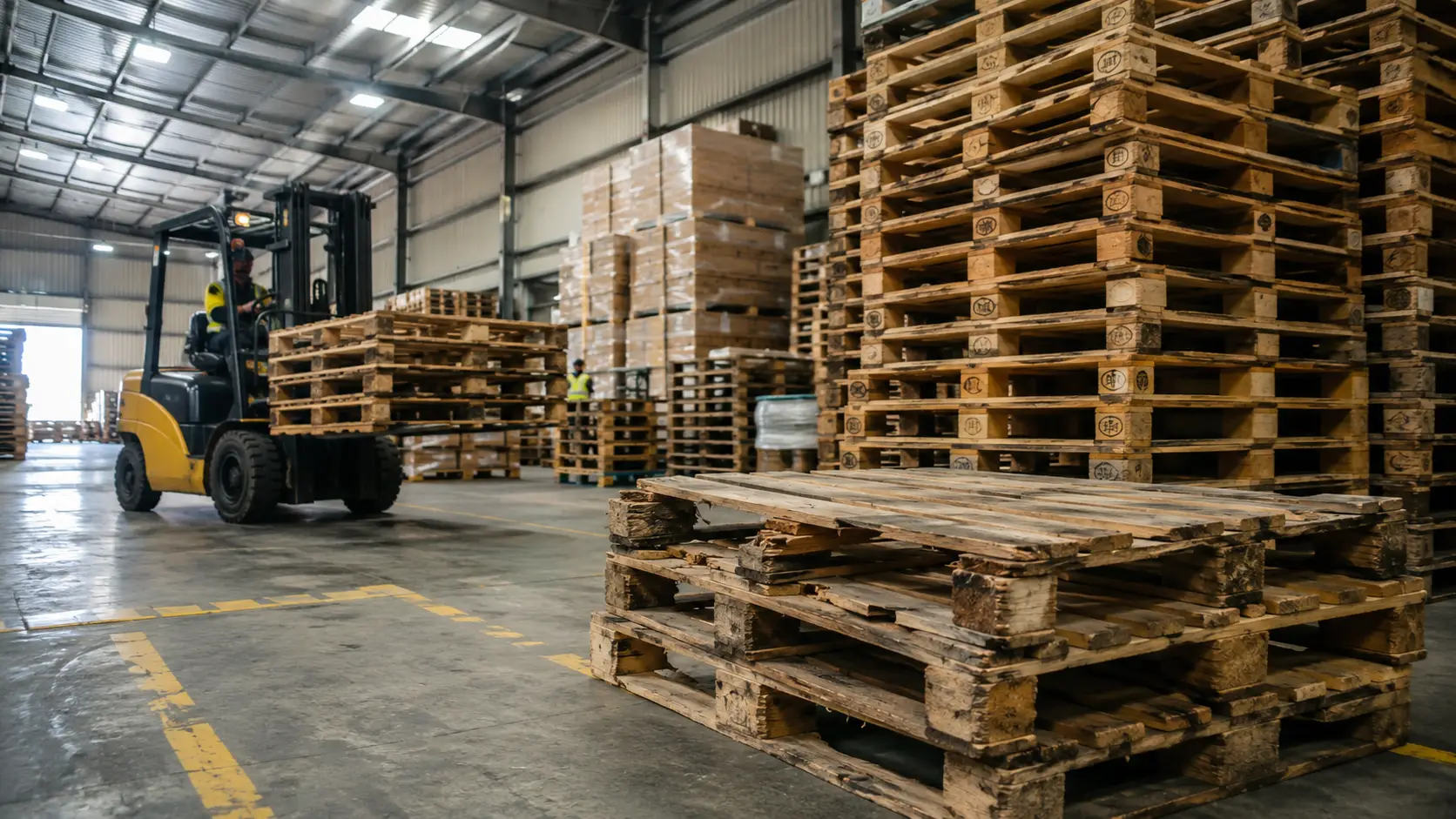 Many warehouses face the same problem. This is why many businesses compare repairing vs. replacing wooden pallets before making warehouse decisions.
According to workplace material handling and storage safety guidelines, Damaged equipment can increase workplace risks. It can also reduce safety in the warehouse.
The right choice depends on several factors. These include the type of damage, pallet load capacity, and how often the pallets are used. Often, repairing pallets can save money. In other situations, replacement is the safer and smarter option.
Why Wooden Pallet Condition Matters
The condition of a pallet directly affects warehouse performance. Even a small crack can become a bigger problem when pallets carry heavy loads daily.
For example, in logistics warehouses, damaged pallets can cause unstable stacking. This increases the risk of product collapse during forklift movement. In export operations, weak pallets may also fail inspection checks.
Poor pallet condition can lead to:
-
Product damage
-
Forklift accidents
-
Worker injuries
-
Shipment delays
-
Higher replacement costs later
Warehouses that inspect pallets regularly often reduce downtime and improve material handling efficiency.
Common Types of Wooden Pallet Damage
Not all pallet damage is severe. Some issues are easy to repair, while others make the pallet unsafe.
Common pallet problems include:
-
Cracked deck boards
-
Loose nails
-
Broken stringers
-
Warped wood
-
Moisture damage
-
Mold growth
For example, warehouses that store FMCG products often see minor corner damage. This usually happens after repeated forklift movement. That pallet can usually be repaired quickly.
But pallets exposed to moisture for long periods may develop rot or mold. In those cases, replacement is often necessary.
Regular inspections help identify damaged wooden pallets before they become unsafe.
When Repairing Wooden Pallets Makes Sense
Repairing wooden pallets works best when the structural strength is still intact. Minor damage can usually be fixed at a lower cost than buying new pallets.
Regular wooden pallet repair can help businesses reduce replacement costs.
Repairable pallet issues often include:
-
Loose boards
-
Missing nails
-
Minor cracks
-
Small edge damage
A manufacturing unit may use pallets for lightweight cartons. Often, the pallet can still be used safely after replacing a damaged deck board.
Repairing pallets offers several advantages:
-
Lower operational costs
-
Longer pallet lifespan
-
Reduced wood waste
-
Faster turnaround for bulk operations
Many businesses use large numbers of pallets every day. Because of this, pallet repair becomes a regular part of warehouse maintenance.
When Replacing Wooden Pallets Is the Better Option
Some pallets become too damaged to repair safely. Continuing to use them can create serious operational risks.
Replacement is usually the better option when pallets have:
-
Broken stringers
-
Severe warping
-
Rot or moisture damage
-
Mold infestation
-
Many previous repairs
For example, export warehouses often handle heavy machinery. A damaged pallet can fail during loading or shipping. This can cause serious losses. Replacing weak pallets becomes necessary to avoid cargo damage.
Food and pharmaceutical industries also prefer replacing contaminated pallets to maintain hygiene standards.
Repairable vs Non-Repairable Pallet Damage
Here is a simple way to identify whether a pallet should be repaired or replaced.
| Repairable Damage | Non-Repairable Damage |
|---|---|
| Loose nails | Broken stringers |
| Minor cracks | Severe warping |
| Single damaged board | Mold infestation |
| Corner damage | Rot and moisture damage |
This type of inspection helps warehouse teams make faster and safer decisions.
Cost Comparison: Repairing vs Replacing Wooden Pallets
Repairing pallets is usually cheaper in the short term. But replacement may save more money over time if the pallet is heavily damaged.
| Factor | Repair | Replace |
|---|---|---|
| Initial Cost | Lower | Higher |
| Lifespan | Moderate | Longer |
| Safety | Depends on condition | High |
| Sustainability | Better | Moderate |
For example, some warehouses use pallets only for internal movement. In such cases, repairing pallets can help reduce costs. But export businesses handling international shipments may choose replacement for better reliability.
Hidden costs should also be considered. Damaged pallets can cause:
-
Product loss
-
Delayed shipments
-
Forklift handling problems
-
Worker safety risks
Sometimes a low-cost repair becomes expensive after one pallet failure damages inventory.
Safety Risks of Using Damaged Wooden Pallets
Damaged pallets are a major warehouse safety issue. Weak pallets can collapse while lifting heavy loads, especially during forklift movement.
Warehouses with high pallet turnover often experience:
-
Unstable stacking
-
Load shifting
-
Forklift imbalance
-
Worker injuries
This is a bigger problem in busy distribution centers. Products move constantly throughout the day.
Businesses that focus on warehouse pallet safety often inspect pallets regularly. This helps reduce handling risks. It also improves warehouse safety.
What Happens to Pallets That Cannot Be Repaired?
Not every damaged pallet goes to waste. Many unusable pallets are recycled and reused in different ways.
Wood from damaged pallets is commonly used for:
-
Recycled wood products
-
Packaging materials
-
Industrial fuel
-
Repaired pallet components
Companies investing in recycling damaged wooden pallets can reduce waste while improving sustainability practices.
This helps businesses reduce supply chain waste. It also supports better environmental practices.
How to Extend the Lifespan of Wooden Pallets
Proper maintenance can significantly increase pallet durability. Many pallets fail early because of poor handling and storage conditions.
Simple maintenance practices include:
-
Storing pallets in dry areas
-
Avoiding overloads
-
Performing regular inspections
-
Training forklift operators
-
Separating damaged pallets immediately
For example, some warehouses store pallets away from moisture. This helps prevent mold and wood rot.
Regular inspections are also important. They help businesses find small damage early before it becomes a safety problem.
Warehouses that handle heavy loads or export shipments need strong and reliable pallets. The right pallet solution can improve safety and warehouse efficiency.
Investing in premium wooden pallet solutions can help reduce product damage. It can also improve handling performance and support long-term operations.
This is especially important for warehouses handling export goods, bulk materials, or heavy industrial products.
Conclusion
Repairing and replacing wooden pallets both have their advantages. Minor damage can often be repaired safely and cost-effectively. Severely damaged pallets should always be replaced. This helps avoid safety and operational risks.
The best approach is regular pallet inspection combined with smart maintenance practices. Businesses that repair, replace, and recycle pallets properly often run warehouses more efficiently. This also helps reduce long-term costs.