
Repairing vs. Replacing Wooden Pallets: Which Is the Better Choice?
May 10, 2026
EPAL Pallets and Load Capacity: Know Your Limits
June 5, 2026
How Weather-Resistant Pallets Can Improve Outdoor Storage Efficiency
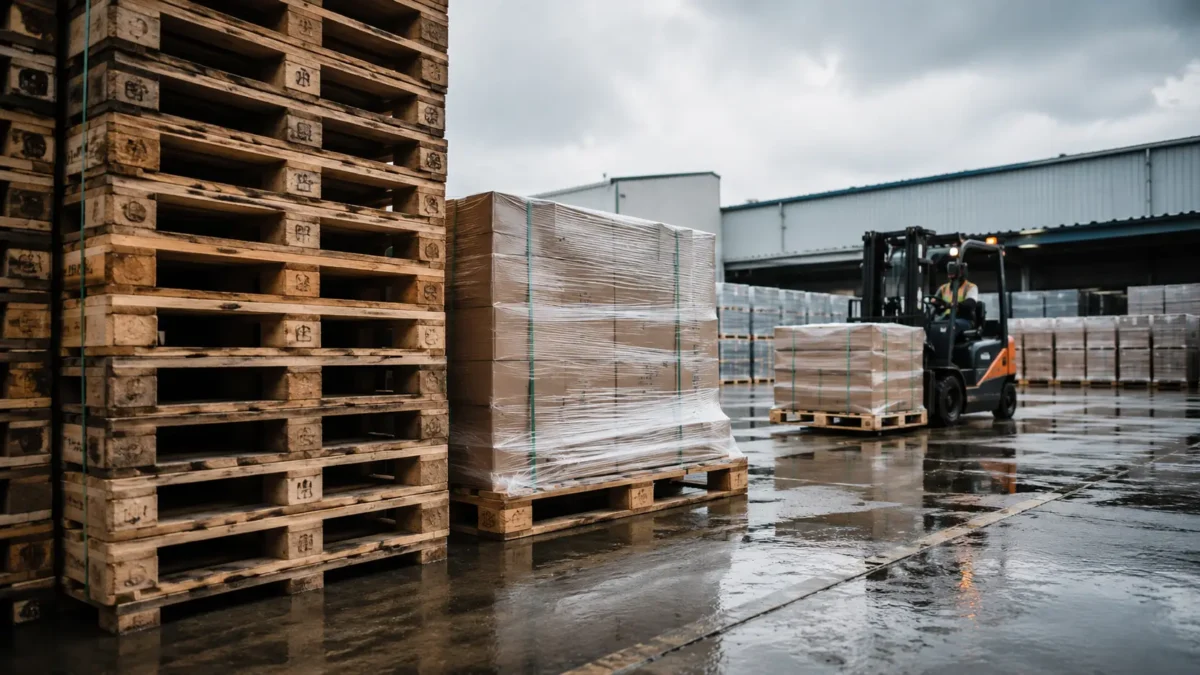
Outdoor storage is common in industries like manufacturing, logistics, construction, FMCG, and agriculture. But storing materials outside creates constant challenges. Rain and humidity can damage products. Heat and uneven ground can also affect warehouse operations.
 Low-quality or weather-sensitive pallets can create many problems. They can damage inventory, weaken stacking stability, delay shipments, and increase replacement costs. This is where weather-resistant pallets make a major difference.
OSHA says proper material storage improves workplace safety. It also helps prevent inventory damage. Warehouses with outdoor operations need strong and durable pallets.
Weather-resistant pallets can improve outdoor storage efficiency by reducing damage and improving load stability.
What Are Weather-Resistant Pallets?
Weather-resistant pallets are designed to handle harsh storage conditions. They handle moisture and humidity better than standard pallets. They also resist heat, sunlight, and temperature changes.
These pallets are commonly made from:
-
Heat-treated wood
-
Plastic
-
Composite materials
-
Heavy-duty metal
Untreated wooden pallets can weaken outdoors over time. Weatherproof pallets stay stronger and keep their shape for longer.
This makes them useful for:
-
Outdoor warehouse storage
-
Export logistics
-
Industrial yards
-
Construction sites
-
Coastal storage facilities
Why Standard Pallets Struggle in Outdoor Storage
Traditional wooden pallets absorb moisture quickly. During rainy seasons or humid weather, they start swelling and weakening.
This often causes:
-
Warped pallet boards
-
Mold growth
-
Loose nails
-
Reduced load stability
-
Product contamination
For example, an FMCG warehouse may store cartons outdoors for long periods. Continuous moisture can weaken the pallets. This may cause stacked cartons to collapse.
Humidity also shortens pallet lifespan. Coastal cities like Mumbai and Visakhapatnam have high moisture levels all year.
Businesses with long-term outdoor storage need stronger pallets. Hardwood pallets perform better in harsh weather conditions. They can handle continuous outdoor exposure more effectively.
How Weather-Resistant Pallets Improve Outdoor Storage Efficiency
Reduce Product Damage
Stable pallets protect inventory from tipping, collapsing, or water exposure.
In logistics operations, damaged pallets can shift loads during forklift movement. This increases the chances of torn packaging and shipment losses.
Weather-resistant pallets provide better load support. This helps warehouses reduce damaged inventory and improve shipment quality.
Improve Warehouse Safety
Outdoor yards often have uneven surfaces. Weak pallets create instability during stacking and lifting.
A damaged pallet carrying heavy drums or cartons can become a serious safety risk.
Moisture-resistant pallets maintain structural integrity for longer periods. This improves stacking stability and creates safer handling conditions for forklift operators.
Increase Storage Lifespan
Replacing damaged pallets regularly increases operational costs.
Weather-resistant pallets usually last longer because they:
-
Resist moisture
-
Handle heavy loads better
-
Must less maintenance
This helps businesses lower long-term pallet replacement expenses.
For example, some manufacturing units store raw materials outdoors during monsoon seasons. Moisture can damage regular pallets quickly. Durable outdoor storage pallets can last longer and reduce replacement costs.
Improve Logistics and Handling Efficiency
Damaged pallets slow down warehouse movement.
Workers may need to:
-
Re-stack products
-
Re-wrap cartons
-
Separate broken pallets
-
Handle unstable inventory carefully
Consistent pallet quality improves handling speed and inventory movement.
Large logistics hubs handle thousands of shipments daily. Even small efficiency improvements can reduce loading and unloading delays.
Best Weather-Resistant Pallet Materials for Outdoor Storage
Wooden Pallets
Heat-treated wooden pallets remain one of the most common outdoor storage solutions.
They are:
-
Cost-effective
-
Repairable
-
Strong enough for industrial use
Hardwood variants perform better in humid conditions compared to low-grade softwood pallets.
Plastic Pallets
Plastic pallets are highly moisture-resistant. They do not absorb water and are easier to clean.
This makes them suitable for:
-
Food industries
-
Pharmaceutical warehouses
-
Cold chain logistics
Businesses should compare different pallet materials before choosing one. Understanding plastic pallets and wooden pallets can help them choose the right option.
Metal Pallets
Metal pallets are mainly used for:
-
Heavy machinery
-
Chemical storage
-
High-load industrial applications
They are durable but more expensive than wood or plastic alternatives.
Industries That Benefit Most from Weather-Resistant Pallets
FMCG and Retail
Outdoor storage areas often handle packaged goods in bulk quantities. Stable pallets help reduce packaging damage and stacking failures.
Pharmaceuticals
Pharma products must hygienic handling and controlled storage conditions. Moisture-resistant pallets help reduce contamination risks.
Agriculture
Agricultural products are highly sensitive to humidity. Weatherproof pallets improve airflow and reduce moisture-related spoilage.
Construction
Construction materials are frequently stored outdoors for long periods. Heavy-duty outdoor pallets improve load support and durability.
Export Logistics
Export shipments may remain in ports, warehouses, or transport yards for extended periods. Durable pallets help maintain shipment stability during transit.
Key Factors to Consider Before Choosing Outdoor Storage Pallets
Before selecting pallets for outdoor use, businesses should test:
-
Load capacity
-
Climate conditions
-
Exposure duration
-
Hygiene requirements
-
Storage surface conditions
-
Export compliance needs
Different industries need different pallet types. A warehouse storing chemical drums needs stronger pallets. A food distributor handling lightweight cartons may need a different solution.
Choosing pallets based only on initial cost often creates higher long-term maintenance expenses.
Businesses in coastal regions often need pallets for humid environments and long-term outdoor storage.
Best Practices for Outdoor Pallet Storage
Even weather-resistant pallets perform better with proper storage management.
Warehouses should:
-
Keep pallets elevated from wet ground
-
Improve drainage around storage areas
-
Use covered storage whenever possible
-
Inspect damaged pallets regularly
-
Avoid unsafe stacking heights
Simple storage improvements can significantly increase pallet lifespan and inventory protection.
Warehouses that handle outdoor storage need strong and durable pallets. This is especially important for export shipments and heavy industrial materials. Businesses that need reliable storage systems should use strong pallets. Many companies choose durable wooden pallet solutions for warehouse and logistics operations.
Strong pallet systems also improve warehouse safety, inventory protection, and logistics efficiency.
Conclusion
Weather-resistant pallets play an important role in improving outdoor storage efficiency. They help reduce inventory damage, improve handling safety, and lower long-term replacement costs.
For industries with outdoor warehouse operations, pallet quality matters a lot. The right pallets can improve productivity and daily operations.
Businesses may use treated wooden pallets, plastic pallets, or heavy-duty industrial pallets. Strong storage systems help create safer and faster logistics operations.