
How Pallet Recycling Saves Money for Businesses
August 4, 2026
How EPAL Standards Support Sustainable Logistics
August 17, 2026

Common Myths About Wooden Pallet Sustainability
Wood pallets get a bad reputation sometimes. People assume they’re wasteful. Or that they harm forests. Or that plastic is the greener choice.
 Most of these ideas don’t hold up under real scrutiny. Let’s go through the biggest myths one by one.
Research shows that wood is one of the most eco-friendly material choices. It has a lower environmental impact than many alternatives. That single fact undercuts a lot of the common assumptions.
Myth 1: Wood Pallets Are Bad for the Environment
This is the biggest myth of all. The opposite is usually true.
Wood is made of carbon. Trees pull that carbon from the atmosphere as they grow. When that wood becomes a pallet, the carbon stays locked inside it for the pallet’s entire life.
Manufacturing wood also takes less fossil fuel than manufacturing plastic or metal alternatives. Producing a plastic pallet means processing petroleum. Wood already exists in nature. It is cut and shaped to make a pallet.
Myth 2: Wood Pallets Deplete Forests
This myth assumes pallet wood comes from old-growth or wild forests. In most commercial supply chains, it doesn’t.
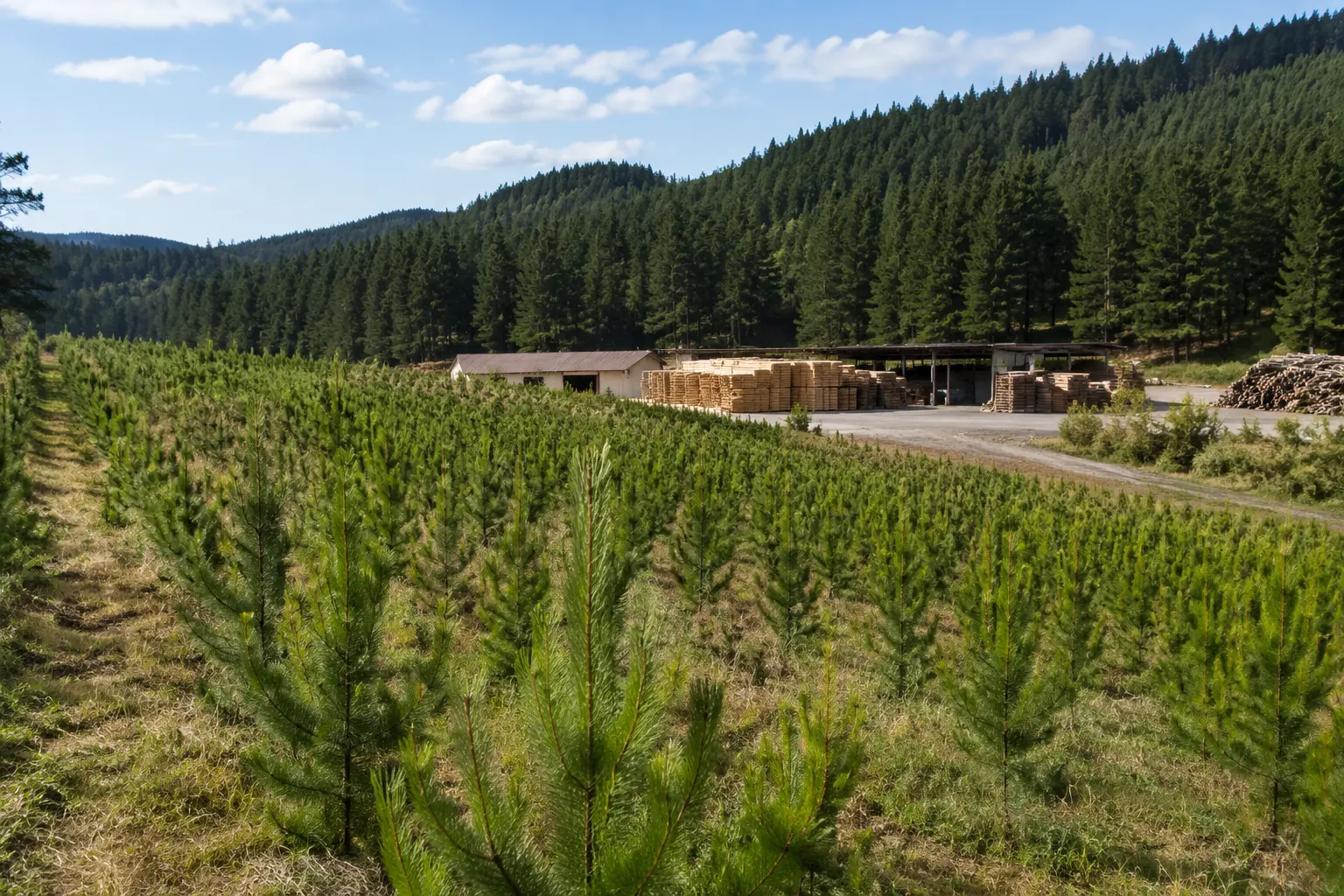
Pallet timber, especially softwood like pine and spruce, comes from fast-growing plantation forests. The trees come from managed forests. They are harvested and replanted. They do not come from untouched forests.
Sustainably managed forests replant what they cut. The cycle continues indefinitely, as long as harvest rates stay in line with growth rates. Reputable suppliers work within this cycle, not against it.
Myth 3: Once Used, Wood Pallets Are Wasted
Many people assume a pallet gets used once and thrown away. That’s not how most commercial pallet systems work.
Pallet reuse systems keep wood pallets in use for years. They are made for many trips, not just one. A single pallet can be reused many times before it reaches the end of its life.
Even after that, the wood doesn’t just go to landfill. Damaged pallets get repaired, and worn-out ones get broken down for other uses.
Myth 4: Plastic Pallets Are the Greener Choice
Plastic pallets do offer some advantages. They resist moisture and don’t need pest treatment. But greener is a different claim.
Plastic pallets come from petroleum-based materials. Producing them uses more fossil fuel upfront than producing wood. They also don’t sequester carbon the way wood does.
Plastic pallets do last longer per unit in some conditions. Wood is a better choice often. It has a lower impact when you consider making, sourcing, and recycling it.
Myth 5: Recycled Wood Pallets Are Lower Quality
People sometimes assume a recycled or repaired pallet is automatically weaker or unsafe. That’s not accurate for properly managed programs.
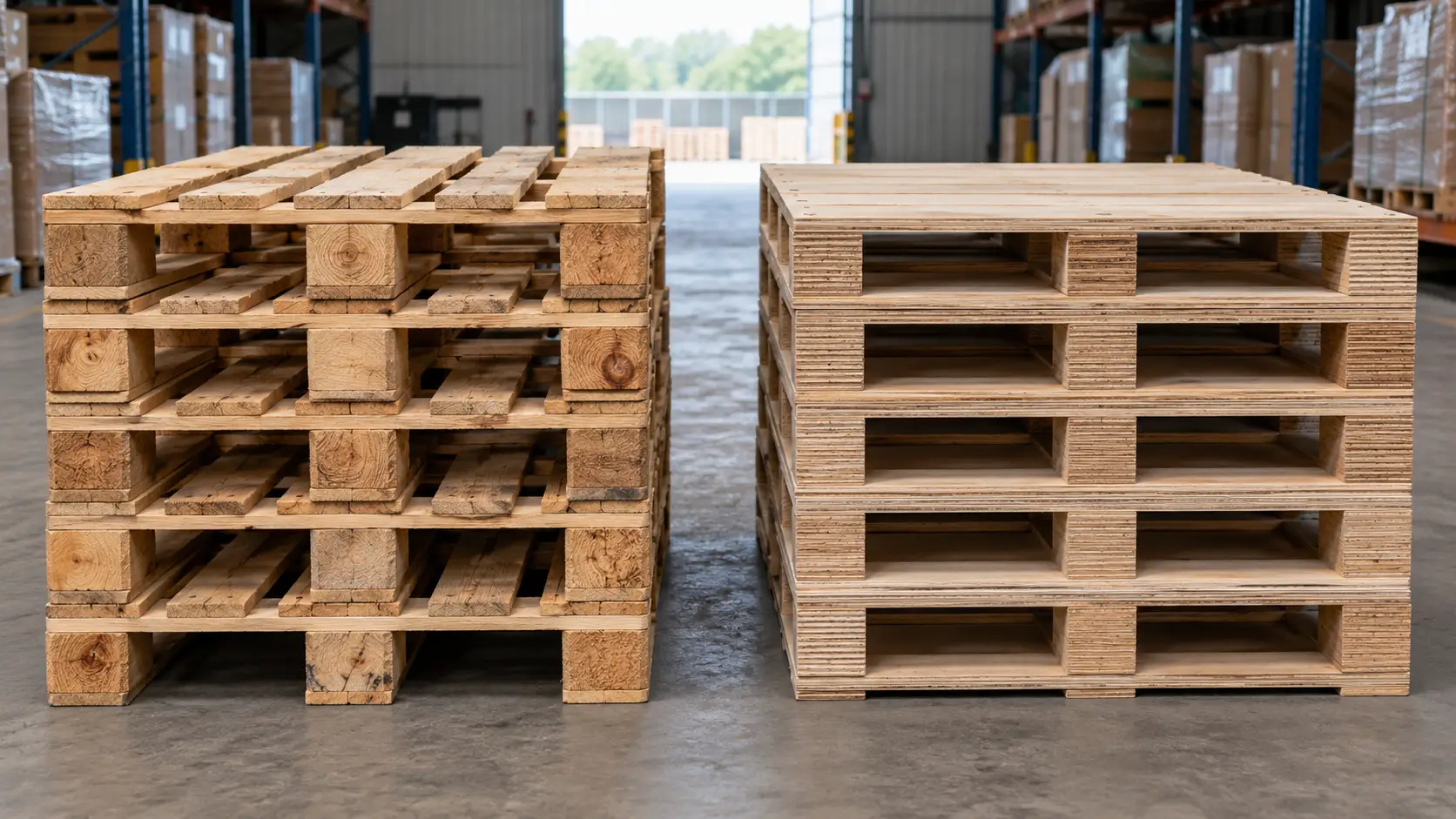
How recycling extends a pallet’s life depends on inspection standards, not shortcuts. Weak boards get replaced. Damaged blocks get swapped. What comes out the other end meets the same load standards as new stock.
A poorly repaired pallet is a real risk. But that’s a supplier quality issue, not a fact about recycled wood in general.
Myth 6: ISPM 15 Treatment Harms the Environment
Some people confuse ISPM 15 with heavy chemical treatment. Most export pallets today use heat treatment instead.
Heat treatment raises the wood’s core temperature to kill pests. No chemicals get added to the wood at all. This method meets the rules. It also avoids the environmental concerns linked to older fumigation methods.
What This Means for Your Sourcing Decisions
None of this means every wood pallet supplier is automatically sustainable. Sourcing still matters. Ask where your supplier’s timber comes from.
Look for suppliers who work with managed, replanted forests. Ask about their repair and recycling programs too. A supplier who tracks these details usually cares more about sustainability. Claims alone are not enough.
Conclusion
Most sustainability myths around wood pallets don’t survive a closer look. Wood sequesters carbon. Managed forests replant what they harvest. Pallets get reused for years, not one trip.
The real sustainability question isn’t wood versus plastic. Choose a supplier who sources wood responsibly. They should also build pallets that last through many uses.
Want pallets built from responsibly sourced wood, designed for reuse and repair? Get sustainably built wooden pallets that hold up to real scrutiny.