
EPAL Pallet Markings and Codes: A Complete Breakdown
November 25, 2026

Pallets don’t live in a perfect warehouse. They sit on loading docks, in port yards, and inside hot containers. So weather matters.
 Wood reacts to the air around it. The USDA Forest Service explains that wood takes on moisture from its surroundings , and that changes how it performs. Here’s how EPAL pallets in extreme weather handle that.
What makes an EPAL pallet tough?
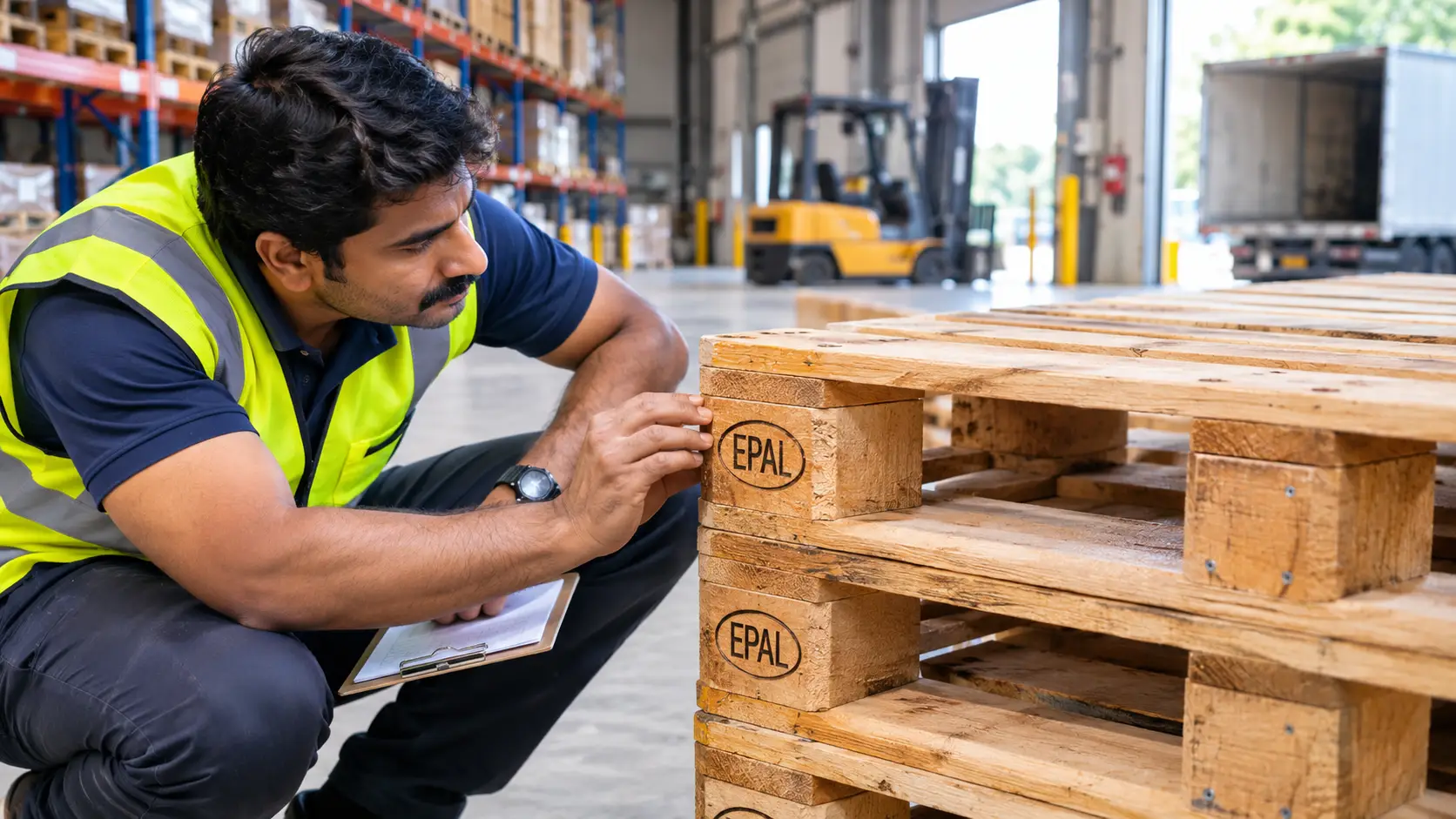
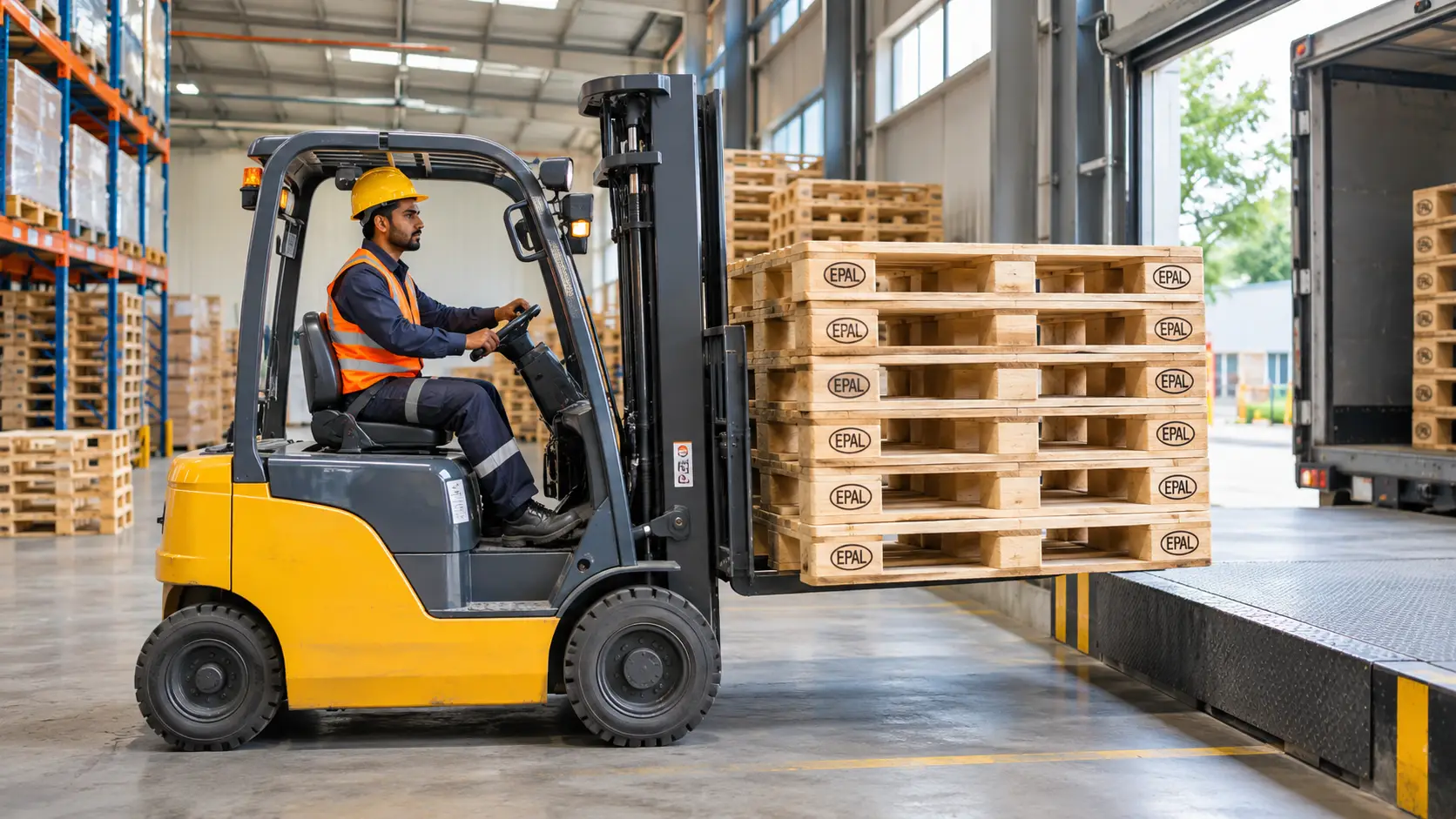
A standard EPAL Euro pallet has 11 boards, 9 blocks, and 78 nails. The nails go in a set pattern. That pattern keeps the pallet from twisting under load.
It has a safe working load of 1,500 kg. That’s a strong start before weather enters the picture.
EPAL also sets rules for how pallets are built and repaired. So you get the same layout every time. That makes them easy to inspect after bad weather.
Heavy rain and high humidity
Water is wood’s biggest enemy. Wet boards lose strength, and damp pallets can grow mold. Virginia Tech’s pallet researchers say wood below 20% moisture won’t support mold.
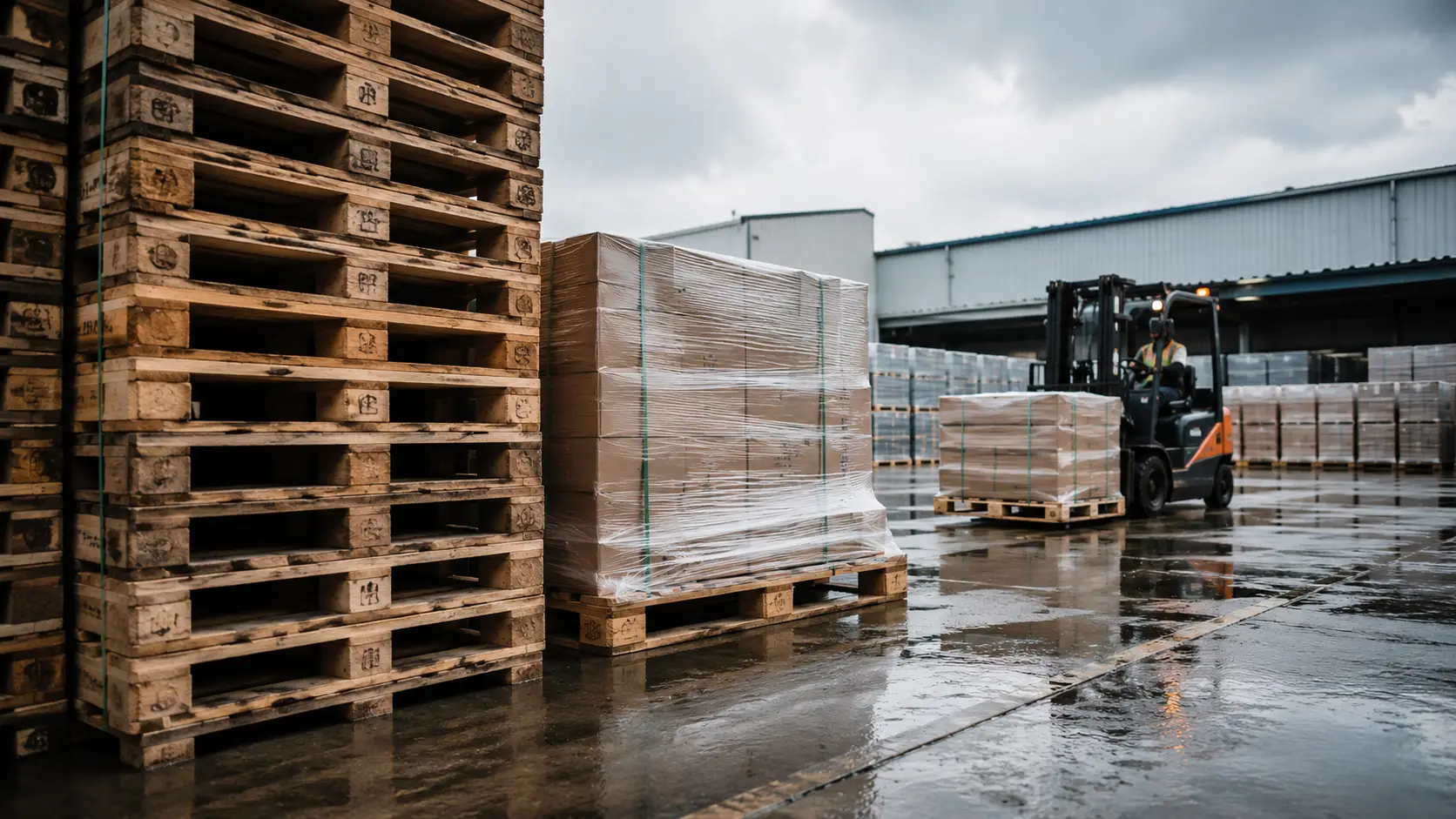
Picture a port yard near Mumbai in monsoon season. Pallets sit in open air for days. The boards soak up water, and the load gets heavier and weaker.
Humidity works in a quieter way. Wood keeps trading moisture with the air until it reaches a balance. In hot, damp air, that balance is high.
A short rain won’t ruin a pallet. Weeks of standing water will.
Want the details? Read about how moisture content affects pallet strength
Extreme heat and strong sun
Hot weather dries wood fast. Boards can shrink and crack. Sun also bakes the stacks you keep outside. Stacks left in full sun all summer can dry out and turn brittle.
A hot container is another risk. A damp pallet gives off moisture inside it. When the temperature drops, that moisture can drip onto your cargo.
Think of a box of paper goods. It sits on damp pallets in a sealed container for two weeks. The cartons arrive soft and stained.
So check moisture before you load. Dry pallets protect your goods.
Freezing cold and ice
Cold brings a different problem. Wet pallets can freeze together in a stack. Workers then pry them apart and damage the boards.
Say a pharma dock leaves stacks outside overnight. By morning, the bottom pallets are stuck to the ground. Frozen boards can also crack under a hard forklift hit.
Ice makes the floor slick too. That’s a safety issue for your team, not just your pallets.
Signs weather has damaged a pallet
Check pallets before every load. Look for these signs:
- Dark stains, fuzzy spots, or a musty smell. These point to mold.
- Boards that bow, cup, or split.
- Nails that stick out or look loose.
- Soft spots when you press a thumb into the wood.
- A pallet that feels much heavier than normal.
Pull any pallet that fails the check. A weak pallet can fail under load. That puts your team, your forklift, and your goods at risk.
Only licensed companies can repair EPAL pallets. So send damaged ones back through the right channel.
Stacking in bad weather
Wet or frozen stacks can shift. Keep stacks level, and stay inside your safe limits. On windy days, wrap tall loads well, because gusts can topple them.
Where EPAL pallets have limits
EPAL pallets are made of wood. So they aren’t weatherproof. Long soaking will weaken them.
If your yard floods or stays wet for weeks, wood may not be the best fit. In that case, talk about other options with your supplier.
No pallet beats bad storage. Good habits matter more than any label.
How to protect EPAL pallets in extreme weather
These simple steps help in any climate:
- Store pallets off the ground on racks or dunnage.
- Cover stacks with a breathable tarp so air can move.
- Pick a spot with good drainage.
- Use the oldest pallets first.
- Check boards and nails after every storm.
- Keep pallets out of direct sun when you can.
- Measure moisture before you load a container.
Don’t wrap stacks in a tight sheet. Trapped air holds moisture and can make things worse.
Outdoor yard? Our guide on weather-resistant pallets and outdoor storage efficiency shows how to plan it.
Plan your pallet supply for your climate
Not sure which pallets suit your storage setup? Skylar Impex makes EPAL pallets in Maharashtra. Share your route and yard conditions, and our team can help you pick the right fit.
Final thoughts
EPAL pallets in extreme weather can do well. They need three things: dry storage, a cover, and a spot off the ground.
Plan for rain, heat, and cold before they hit. Your pallets will last longer, and your cargo will stay safe. That saves you money on repairs and replacements.