
How Weather-Resistant Pallets Can Improve Outdoor Storage Efficiency
May 18, 2026
ISPM 15 Pallet Requirements for Australia: What Exporters Need to Know
June 9, 2026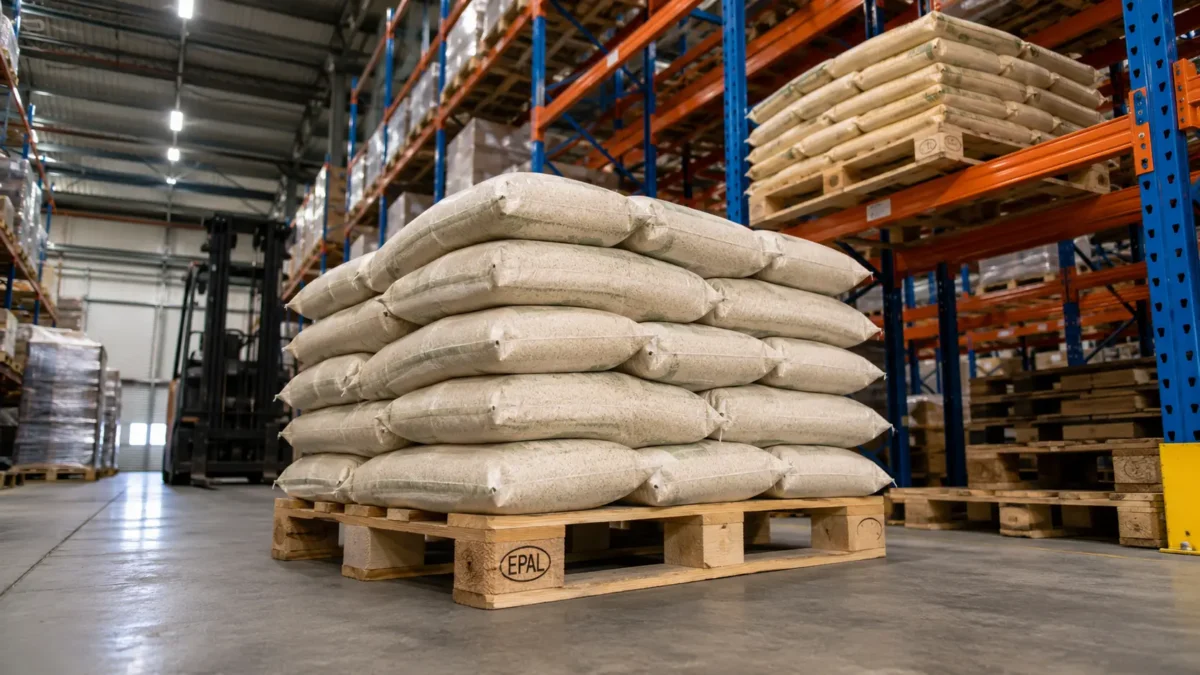
EPAL Pallets and Load Capacity: Know Your Limits
A warehouse team in Pune stacked 1,200 kg of bagged cement on a standard EPAL pallet. The pallet held, but only just. On the next lift, one deck board cracked, the forklift tines caught an edge, and half the load shifted. No injury, but one pallet destroyed, one shipment delayed, and a near-miss that could have been a lot worse.
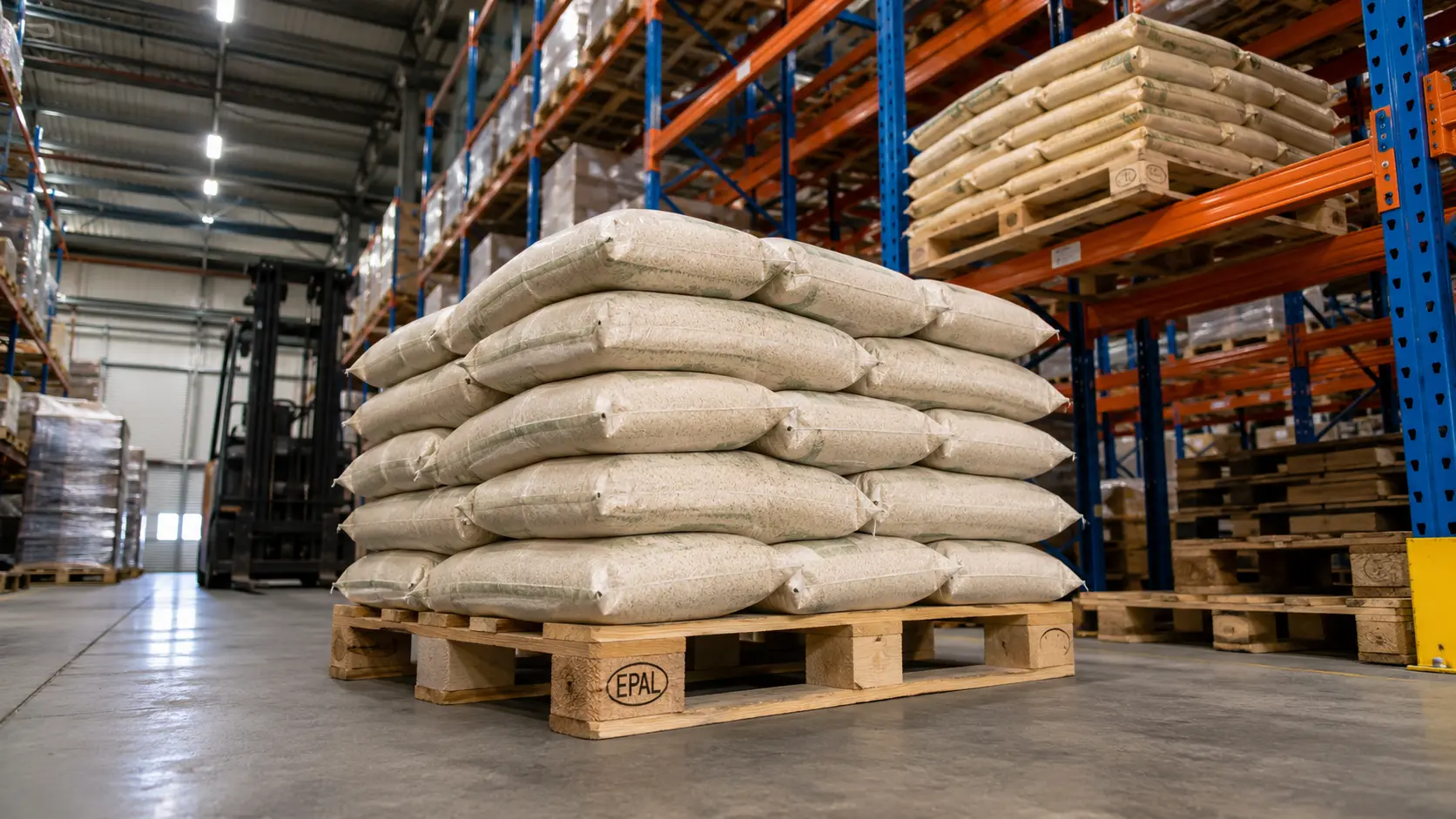
The EPAL Euro Pallet is one of the most load-tested pallets in the world. According to EPAL’s official technical specifications, every certified EPAL pallet must pass strict tests before leaving the factory. But knowing the certification exists is not the same as knowing how to use it. This guide breaks down what the numbers actually mean on the warehouse floor.
What “Load Capacity” Actually Means for an EPAL Pallet
Load capacity is not a single number you can look up and apply everywhere. It depends on how the load is applied, where the pallet sits, and what’s underneath it.
The EPAL 1, the standard 1200×800mm Euro pallet, is rated for a 1,500 kg dynamic load and up to 4,000 kg static load. Those two figures describe very different conditions. Dynamic load is what the pallet carries while moving. Static load is what it carries while standing still. The gap between them is large, and confusing one for the other is where things go wrong.
See our EPAL pallet dimensions and size guide for a full breakdown of each EPAL format.
The Three Load Types: Dynamic, Static, and Racking
Every warehouse professional should know these three figures for any pallet they use.
Dynamic Load (1,500 kg for EPAL 1): This is the most weight the pallet can carry while being moved. This includes transport by forklift, pallet truck, or conveyor. It accounts for vibration, acceleration, and the stresses of movement. This is the number that matters most in active logistics.
Static Load (4,000 kg for EPAL 1): This is the weight the pallet can safely bear while stationary on a flat, solid surface. A fully loaded pallet sitting in a storage bay can hold far more than one being moved. But this only applies when the load is evenly distributed and the floor is level.
Racking Load (1,500 kg for EPAL 1 on two racking rails): In a warehouse rack, the pallet is supported by only two rails. These rails carry the full load of the pallet. The deck boards span the gap. This reduces capacity. The racking load rating tells you the most weight for this scenario. Overloading racked pallets is one of the most common causes of warehouse collapse.
How Load Distribution Affects Your Pallet’s Limits
Even if you stay under the rated weight, poor load distribution can cause failure. The load must sit centrally on the pallet deck. Loads that are not centred put extra pressure on one side of the pallet. This can cause that side to fail, even when the pallet is carrying only half of its rated capacity.
The rule is simple: load footprint should cover at least 75% of the pallet’s deck area. A heavy item placed on one corner puts too much pressure on that spot. The pallet boards may not be able to handle the load.
Moisture and pallet damage reduce capacity further. A deck board with a split or a block with rot does not perform to its rated specification. Inspect pallets before loading them. Pay extra attention to repaired EPAL pallets.
Understanding how EPAL pallets reduce forklift accidents starts with loading correctly. an overloaded or off-balance pallet is one of the leading causes of forklift tip-overs.
EPAL 1, EPAL 2, EPAL 3, and EPAL 6: Load Limits Compared
Not all EPAL pallets share the same load rating. Size and construction differ across the range.
The EPAL 1 (1200×800mm) is the workhorse, 1,500 kg dynamic, 4,000 kg static, 1,500 kg racking. The EPAL 2 (1200×1000mm) offers a larger deck but the same 1,500 kg dynamic rating. The EPAL 3 (1000×1200mm), essentially EPAL 2 rotated, shares the same ratings. The EPAL 6 (800×600mm, half-pallet) is rated for 500 kg dynamic and 750 kg static.
For heavy export loads, choose EPAL 1 or EPAL 2 pallets made from hardwood. They provide the highest level of strength and safety. Always verify the production stamp and nail pattern before committing a heavy load.
What Happens When You Exceed the Limit
Overloaded pallets don’t always fail immediately. They often fail mid-transit or under racking pressure, at the worst possible moment. An overloaded pallet may have bent deck boards, cracked blocks, or loose fasteners.
A damaged or overloaded pallet can lead to shipment rejection when exporting goods. Consignees receiving EPAL-certified goods expect certified pallets in good condition. A failed pallet is not just a safety issue, it’s a compliance issue.
If you’re sourcing EPAL pallets that meet certified load standards for your warehouse or export shipments. Skylar Impex’s EPAL wooden pallets are built to full specification, available across Maharashtra and pan-India.
Conclusion:
EPAL pallets are engineered for high performance, but only within their rated limits. Know the difference between dynamic, static, and racking capacity. Distribute load correctly. Inspect pallets before use. These numbers are not suggestions. They are safety limits. Following them helps protect your cargo, workers, and supply chain.
FAQ
What is the load capacity of an EPAL 1 pallet?
An EPAL 1 pallet can carry up to 1,500 kg while moving. It can support 4,000 kg when resting on a flat surface. It can also hold 1,500 kg when placed on warehouse racking rails.
What is the difference between dynamic and static load on an EPAL pallet?
Dynamic load is the weight a pallet carries while being moved by a forklift or pallet truck. Static load is the weight it can hold while stationary. Static load ratings are much higher because the pallet is not moving.
How does racking affect EPAL pallet load capacity?
When placed on racking beams, a pallet is only supported at two points. This puts bending pressure on the deck boards. As a result, the pallet can safely carry only its racking load of 1,500 kg for a standard EPAL 1.
Can a damaged EPAL pallet carry its full rated load?
No. Cracked boards, broken blocks, and loose fasteners can weaken a pallet. This reduces its load-bearing capacity. Always inspect and reject damaged EPAL pallets before loading.